
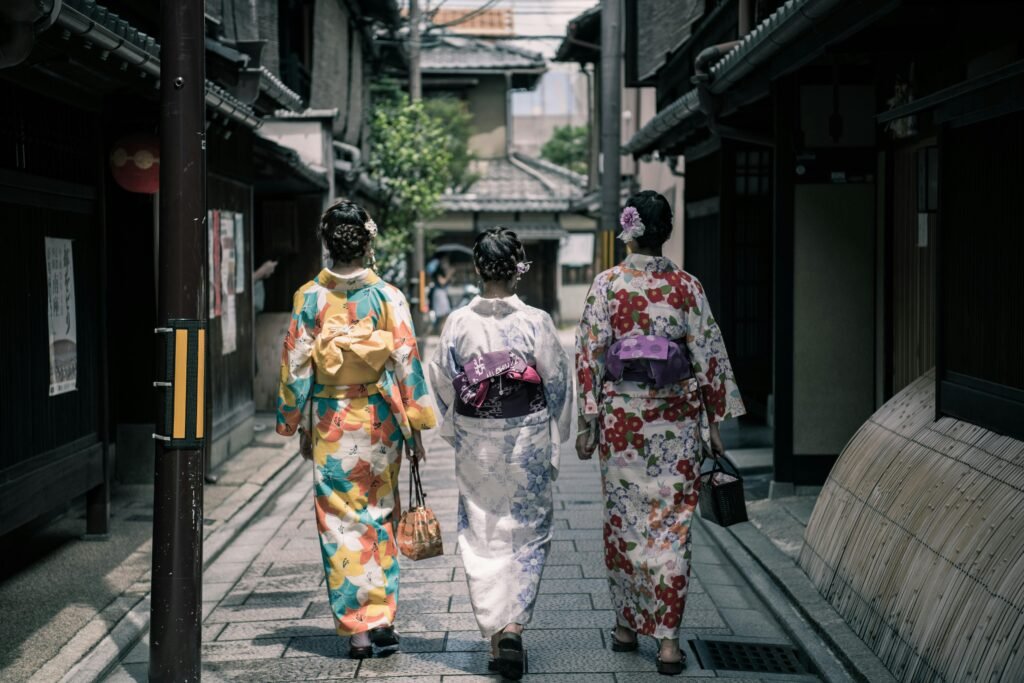
Hello, Wanderer! Only have 10 days to explore Japan as a first-timer? Don’t worry—I’ve got you covered.
This 10 day Japan itinerary is designed to give you the perfect mix of history, nature, and modern life. You’ll experience the bustling streets of Tokyo, the mountain charm of Takayama, the majestic views of Mount Fuji, the serene temples of Kyoto, the historical significance of Hiroshima, and the iconic beauty of Miyajima Island—all at a pace that feels adventurous yet relaxed.
From my experience, when time is short, it’s important to make smart choices. Trying to cram everything into a short vacation often leads to stress and missed moments. That’s why I created this Japan 10 day itinerary to provide a well-balanced, stress-free trip you’ll actually enjoy and remember.
This Japan guide includes daily plans, transport tips, authentic experiences, local delicacies, and hotel recommendations with the best neighborhoods to stay in. We’ve minimized hotel changes and optimized the itinerary for the Japan Rail Pass, so you can travel efficiently while fully enjoying each destination. Think of it as your complete companion for a smooth and comfortable journey.
If you have less time, my 1-week Japan itinerary covers the highlights without feeling rushed. If you have more time, my two-week Japan itinerary dives deeper into Japan’s cities, mountains, temples, and islands.
This post may include affiliate links. If you make a purchase or booking through these links, I may earn a small commission at no extra cost to you. It’s an easy way to support this blog and help me continue sharing helpful travel guides. Thank you for your support!
Quick Facts about Traveling to Japan
- Best time to visit Japan: March to May (cherry blossom season) and September to November (autumn foliage)
- Official language: Japanese
- Currency used in Japan: Japanese Yen (JPY) . Please check current rates .
- 1 USD ≈ ¥145
- 1 EUR ≈ ¥157
- Is Japan safe for tourists? Yes — it’s one of the safest countries in the world. Just follow basic travel etiquette.
- Main religion in Japan: Shinto and Buddhism
- Ideal trip duration: A 2-week trip is perfect for first-time visitors, but even 10 days in Japan can provide a well-rounded experience.
- Japan travel budget: Mid- to high-range. Rail passes are a great way to save on transportation. For updated prices, see the Cost of Living in Japan.
How to Get to Japan
Traveling to Japan is straightforward, with most international visitors arriving by air. Tokyo’s main airports — Narita International Airport (NRT) and Haneda Airport (HND) — handle the majority of long-haul flights, while Kansai International Airport (KIX) in Osaka is ideal if your 10 day Japan itinerary focuses on western Japan.
Direct flights operate from major cities across North America, Europe, and Asia, making Japan highly accessible. Once you arrive, Japan’s world-famous Shinkansen (bullet trains) provide fast, efficient travel to Tokyo, Kyoto, Osaka, Hiroshima, and beyond — so you can explore the country comfortably without needing a car.
How to Get Around Japan
Japan’s transportation system is world-class, making it easy to explore vibrant cities, scenic countryside, and everything in between. If you’re following a 10 day Japan itinerary, knowing your options will save time and make your trip more enjoyable. From bullet trains and buses to rental cars and taxis, there’s a convenient way to reach every destination. This guide covers the main transportation methods and tips to make your 10 days in Japan smooth and stress-free.
1. Domestic Flights
Flying is ideal for covering long distances quickly, such as from Tokyo to Hokkaido or Okinawa. Major carriers like Japan Airlines (JAL) and All Nippon Airways (ANA) operate frequent flights, while budget airlines like Peach and Jetstar Japan offer cheaper alternatives. If your Japan trip includes distant regions, platforms like Trip.com make it easy to compare airlines and find deals.
2. Rental Cars
For rural adventures in areas like the Japanese Alps, Shikoku, or Hokkaido, renting a car offers flexibility and freedom that public transport sometimes can’t match. Japan drives on the left side of the road, and most foreign visitors will need a valid International Driving Permit (IDP) based on the 1949 Geneva Convention accompanied by their home country’s driver’s license to drive legally in Japan; travelers from certain countries (e.g., Germany, France, Switzerland, Belgium, Monaco, or Taiwan) may use their home license with an official Japanese translation instead. Reliable car rental providers in Japan include Toyota Rent a Car, Nippon Rent-A-Car, Times Car Rental, Orix Rent-A-Car, and Budget Japan, all of which offer English-language support and online booking.
In cities like Tokyo, Kyoto, and Osaka, public transportation is often faster and more convenient than driving, with frequent trains and easy connections.
Because demand is high during peak travel seasons like Golden Week and Obon, it’s wise to reserve your rental car well in advance to secure availability and better rates.
3. Public Transportation
Japan’s trains and buses are world‑class, making it easy to follow your 10‑day Japan itinerary. The Shinkansen (bullet train) connects major cities like Tokyo, Kyoto, Osaka, and Hiroshima quickly and comfortably. For travelers covering long distances, the Japan Rail Pass (JR Pass) is highly recommended, as it saves money and allows unlimited travel on most JR lines. By default, the pass does not cover the fastest Nozomi and Mizuho Shinkansen trains, though travelers with a JR Pass can ride them if they purchase a special supplemental ticket in advance. Most travelers instead use the Hikari, Sakura, Kodama, or Tsubame services, which are fully included with the JR Pass.
To make the most of Japan’s extensive transport network, it’s wise to plan and book your Shinkansen and long-distance train trips in advance.
For navigating Japan’s extensive transport network, reliable apps include Google Maps, Japan Travel by NAVITIME (also called Navitime), and Japan Transit Planner (Jorudan) — all provide accurate train and bus schedules, platform numbers, transfer routes, and fare details in English.

4. Shuttle Services
Airport and hotel shuttles provide a hassle-free start to your trip, especially when traveling with luggage. Services like Airport Limousine Bus connect Narita and Haneda airports to major Tokyo neighborhoods. For a more personalized experience, consider Welcome Pickups, offering private airport transfers with an English-speaking driver waiting at arrivals. Booking ahead guarantees your seat and ensures a smooth beginning to your trip .
5. Taxis and Ride-Sharing
Taxis in Japan are clean, safe, and reliable, though generally more expensive than trains or buses. They’re ideal for short trips, late nights, or destinations not easily reached by public transit.For app-based rides, popular options include GO, Uber, DiDi, and S.RIDE. Unlike typical Western-style ride-sharing, these apps mainly connect you with licensed taxi drivers, as private peer-to-peer rides are heavily restricted. Availability varies by city and time of day, and some apps may require a Japanese phone number or have limited coverage outside urban areas. Despite these limitations, they make booking a ride, paying cashlessly, and navigating in English much easier for travelers.
Tips for Getting Around Japan
- Buy your Japan Rail Pass early: Purchase online before arriving for the best price and maximum convenience.
- Use IC cards (Suica, Pasmo, ICOCA): These reloadable cards work across buses, subways, and even at convenience stores.
- Download helpful apps: Tools like Japan Transit Planner (Jorudan) , Japan Travel by NAVITIME , and Google Maps make navigating trains, buses, and local transport effortless.
With these options, your Japan itinerary 10 days will flow smoothly, allowing you to maximize your time and enjoy each city without stress.
Your Ten Day Itinerary in Japan
Day 1 – Welcome to Tokyo
Morning
Welcome to Tokyo! Arrive at Haneda (HND) or Narita (NRT), settle in, recharge, and kick off your 10 day Japan itinerary with an unforgettable first adventure in the city.
Transport Options:
- From Narita, take the Narita Express (N’EX) to Tokyo Station (~60 min, ~$20–$22 USD , JR Pass covered ) or the Airport Bus TYO-NRT (~65–90 min, ~$10 USD).
- From Haneda, you can take the Tokyo Monorail (fully covered by the JR Pass) to Hamamatsuchō Station (~13–20 min, approx. $3.50 USD if paying cash/IC card) or the Keikyu Line to Shinagawa (~11–20 min, approx. $2.00–$2.20 USD).
- For a smoother arrival, especially with luggage or late flights, consider a private transfer via Welcome Pickups. A driver meets you at arrivals and takes you straight to your hotel.
Afternoon
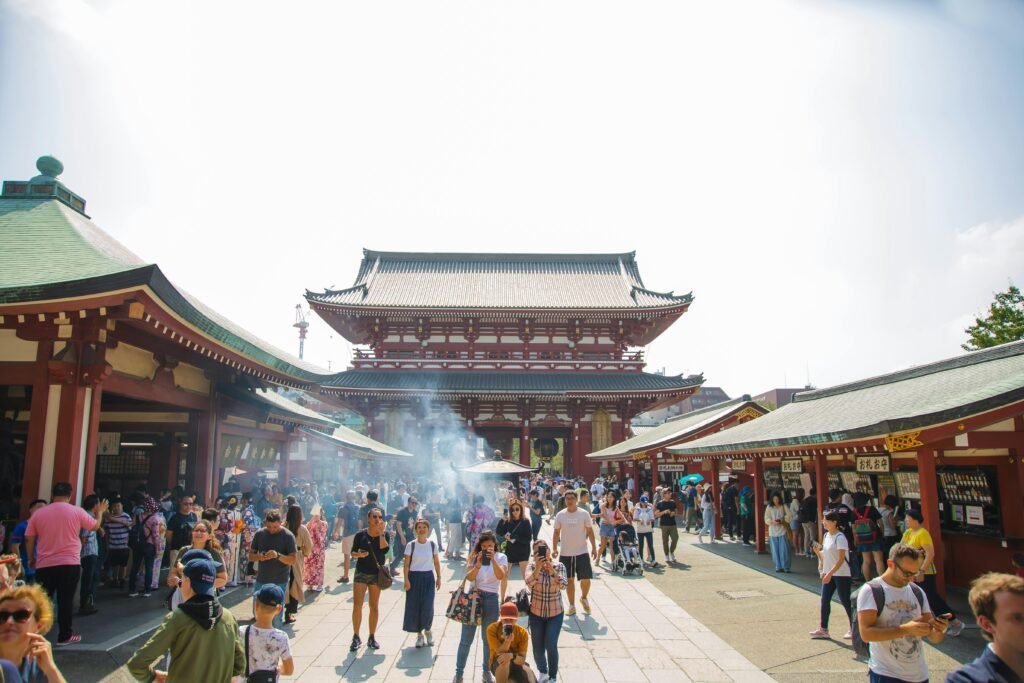
Step into the vibrant streets of Asakusa, beginning at the iconic Sensō-ji Temple. Stroll along Nakamise Street, where colorful shops and enticing aromas invite you to sample Tokyo’s classic treats—think crispy senbei, sweet taiyaki, and fluffy age-manju.
Transport:
- Tokyo Metro Ginza Line to Asakusa Station (~$1.50 USD).
Sensō-ji, Tokyo’s oldest temple, dates to the 7th century. Enter through the Kaminarimon Gate and move along Nakamise Street, lined with long-standing vendors. Inside the grounds, observe incense rituals, study the vivid buildings, and absorb the atmosphere. Across the Sumida River, you’ll spot the Tokyo Skytree rising above the district’s traditional layout.
Evening
Enjoy dinner at a cozy izakaya or a laid-back local spot, and savor yakitori—grilled, flavorful skewers that never disappoint.
Where to Stay in Tokyo
Hotel/Neighborhood Tip: For practical transport connections, base yourself in Asakusa, Ueno, or the Tokyo Station area.
Hotel options across budgets:
- Budget-Friendly: Comfortable and practical hotel at an affordable price.
- Mid-Range: Enjoy the perfect blend of comfort, convenience, and great value at this highly recommended mid-range hotel.
- Luxury: Treat yourself to exceptional service and stunning city views at this luxury hotel in Tokyo.
Recommended Tours & Experiences
Enhance your time in Tokyo with any of the following:
- Tokyo Sumo Show – Get a front-row look at Japan’s national sport with a live sumo performance — an unforgettable cultural highlight.
- Sushi Making Class – Roll up your sleeves and learn the art of crafting authentic sushi in a hands-on class led by local chefs.
- Sumida River Dinner Cruise – Enjoy a magical evening aboard a traditional yakatabune as you dine and glide past Tokyo’s glowing skyline.
- Tokyo Drift Experience – Crank up the adrenaline with a thrilling drift session that puts you straight into the Fast & Furious world.
Day 2 – Tokyo : Tradition to Trendy
Morning
Visit Meiji Shrine and stroll through Yoyogi Park. The peaceful, tree-lined paths of Meiji Shrine combined with the wide open spaces of Yoyogi Park offer a perfect first taste of Tokyo’s balance between tradition and modern city life.
Transport :
From your hotel, take the JR Yamanote Line to Harajuku Station (~15–20 min, $1.50–$2 USD, JR Pass covered).
Afternoon
Explore Harajuku, starting with the lively Takeshita Street, then make your way to Shibuya to enjoy the shopping districts and the energetic atmosphere. Harajuku is full of delicious street treats—don’t miss the fresh fruit crepes, taiyaki stuffed with custard or red bean, and soft cream (Japan’s version of creamy soft-serve).

Transport :
Walk around Harajuku’s nearby streets, or hop on the JR Yamanote Line for one stop to Shibuya Station (~5 min, ~$1 USD, JR Pass covered).
Harajuku is known as the center of youth culture in Tokyo, famous for bold fashion, themed cafés, and colorful street art. Takeshita Street is the epicenter—packed with quirky boutiques, accessories, and everything kawaii.
From Harajuku, you can walk to Omotesandō, often compared to Tokyo’s Champs-Élysées for its luxury boutiques and sleek architecture. Alternatively, take the JR Yamanote Line to Shibuya, one of Tokyo’s busiest shopping and entertainment districts.
Shibuya is home to the iconic Shibuya Scramble Crossing, where crowds surge across in every direction—an essential Tokyo moment. The area is filled with shopping options, from upscale malls like Shibuya Scramble Square to trend-focused fashion stores, plus endless cafés and restaurants where you can soak in the city’s energy.
Evening
Walk across the famous Shibuya Scramble and enjoy dinner at a nearby ramen shop.
Transport :
Return to your hotel on foot if you’re staying close, or take the JR line (~$1–$2 USD, 5–10 min, JR Pass covered).
Day 3 – Mt. Fuji / Hakone (day trip)
Morning
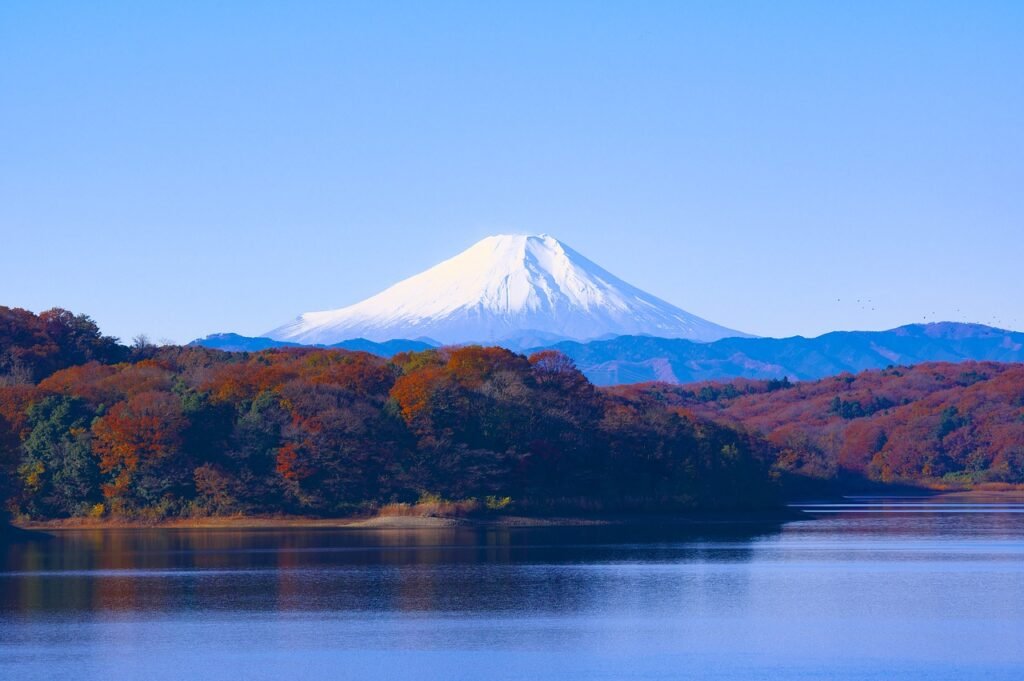
Make your way from your nearest major Tokyo station — most travelers depart from Shinjuku — to Hakone-Yumoto. Hakone is one of Japan’s most scenic escapes, known for its views of Mt. Fuji, volcanic valleys, and peaceful lakes. Ride the ropeway above sulfur-steam vents, cruise across Lake Ashi, and enjoy spectacular mountain panoramas — an ideal mix of nature, photography, and relaxation all in one day.
Transport :
- Odakyu Romancecar: From Shinjuku Station to Hakone-Yumoto ~90 min, ~$20 USD (fastest and most comfortable).
- Odakyu Line Rapid/Express: From Shinjuku Station to Odawara (transfer), then on to Hakone-Yumoto (~2 hrs, ~$8–10 USD) — the budget-friendly route.
💡 Pro tip: Get the Hakone Free Pass (~$45–50 USD) for unlimited transportation including buses, ropeway rides, and the Lake Ashi cruise.
Afternoon
Slow down and enjoy one of Hakone’s best experiences — a soothing dip in a traditional onsen. A great option is Tenzan Onsen (~$12 USD), known for its atmospheric outdoor baths surrounded by nature.
After relaxing, try some local Hakone treats such as:
- Black eggs from Owakudani (cooked in volcanic hot springs),
- Hakone manju, soft steamed buns filled with red bean paste,
- Soba noodles served with fresh mountain vegetables.
Evening
Head back to Tokyo and unwind at your hotel after a full day of sightseeing.
Transport :
- Odakyu Romancecar: Hakone-Yumoto station→ Shinjuku Station (~90 min, ~$20 USD, seat reservation required).
- Odakyu Rapid/Express: Hakone-Yumoto station → Odawara station → Shinjuku Station(~2 hrs, ~$8–10 USD).
💡 Pro tip: If you bought the Hakone Free Pass with the Romancecar add-on, your return fare is already included.
Recommended Tour
For a smooth, stress-free Hakone and Mt. Fuji experience, consider joining this Full-Day Guided Excursion. It includes the Hakone Ropeway, a visit to Owakudani’s volcanic valley, and a scenic cruise on Lake Ashi — all with curated viewpoints of Mount Fuji. Transportation and planning are handled for you, making it the ideal choice if you want to enjoy Hakone’s highlights without managing logistics yourself.
Day 4 – Tokyo → Takayama
Morning
Start your day early and make your way from Tokyo to Takayama, a scenic town tucked in the Japanese Alps. The fastest and most convenient route is to take the shinkansen to either Nagoya or Toyama, then transfer to the Limited Express Hida train, which takes you directly into Takayama’s mountain landscape. This journey is smooth, comfortable, and offers great views—perfect before diving into the charm of Takayama’s Edo-period streets.
Transport options : Tokyo → Takayama
Option 1 — Most recommended (Fastest & JR Pass covered)
- Tokyo → Nagoya: Hikari Shinkansen (~100 min)
- Price without JR Pass: ~$100–$110 USD
- Nagoya → Takayama: Limited Express Hida (~2 hrs 20 min)
- Price without JR Pass: ~$45–$50 USD
- Total time: ~4 hours
- Total price without JR Pass: ~$145–$160 USD
- Most popular and efficient route.
Option 2 — Via Toyama (Scenic & JR Pass covered)
- Tokyo → Toyama: Hokuriku Shinkansen (~2 hrs)
- Price without JR Pass: ~$115–$125 USD
- Toyama → Takayama: Limited Express Hida (~90 min)
- Price without JR Pass: ~$20–$25 USD
- Total time: ~3.5–4 hours
- Total price without JR Pass: ~$135–$150 USD
- More scenic, often less crowded.
Option 3 — Direct Highway Bus (Cheaper but much longer)
- Tokyo (Shinjuku) → Takayama: Direct highway bus (~5.5 hrs)
- Price: ~$40–$50 USD
- Not JR Pass covered
- Best option if you’re on a tight budget and don’t mind a longer ride.
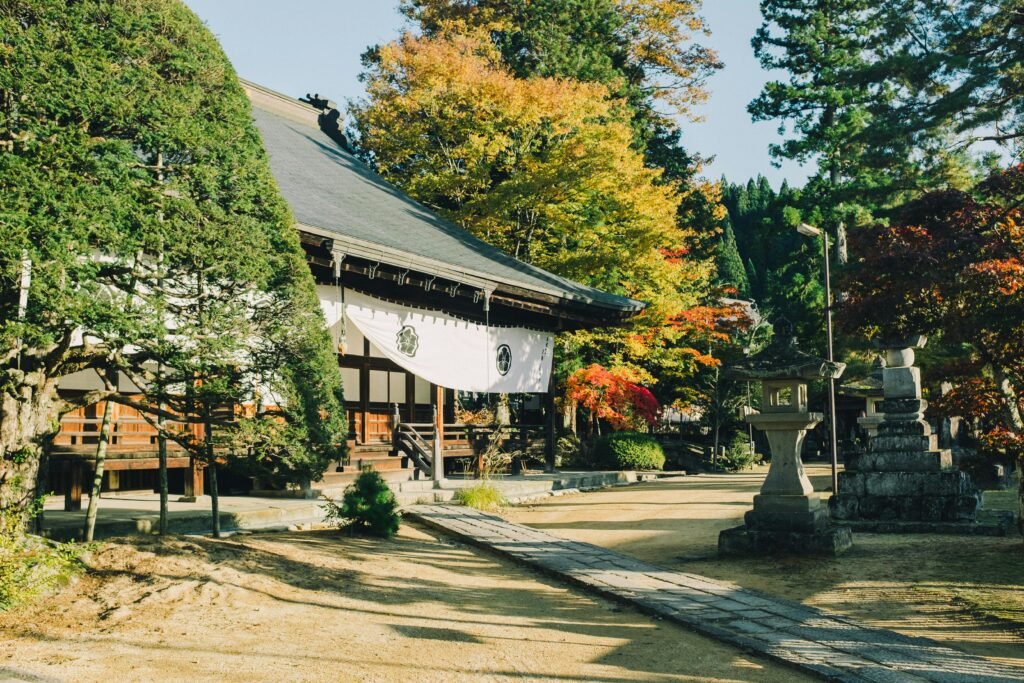
Takayama is a beautifully preserved Edo-period town in the Japanese Alps, known for its traditional wooden houses, lively morning markets, and picturesque old streets. Start your day exploring the historic Sanmachi Suji district, where you’ll find charming wooden storefronts, craft shops, and small sake breweries. Try local specialties such as Hida beef, famous for its rich flavor and tenderness.
The best seasons to visit are spring (March–May) for cherry blossoms and autumn (October–November) for vibrant foliage — the town is especially stunning during these months.
Afternoon
Wander slowly through Takayama’s beautifully preserved Edo-era lanes. The mix of traditional architecture, artisanal shops, and family-run breweries creates the perfect atmosphere for a relaxed afternoon. Keep an eye out for regional treats like gohei mochi (grilled rice cakes brushed with sweet miso) and Hida beef croquettes, both beloved local snacks that you won’t find anywhere else.
Evening
Check into a ryokan (traditional Japanese inn) and unwind with a kaiseki-style dinner, featuring seasonal dishes and premium Hida beef. After dinner, enjoy a peaceful soak in the ryokan’s onsen (hot spring bath) — one of the most authentic and relaxing ways to end your day in Takayama.
Where to Stay in Takayama
Hotel/Neighborhood Tip: Choose accommodation near Sanmachi Suji for easy access to the old town, markets, and all major attractions — perfect for exploring on foot and enjoying quiet evenings.
Hotel options across budgets:
- Budget-Friendly: Comfortable and affordable — check out this Takayama budget hotel.
- Mid-Range: A great balance of comfort and convenience — see this recommended mid-range hotel.
- Luxury: For high-end amenities and premium locations, this luxury Takayama hotel is an excellent pick.
Recommended Tours & Experiences
- Kanazawa & Shirakawa-go Guided Tour — Visit the UNESCO-listed village of Shirakawa-go and explore traditional countryside life on this immersive guided experience.
- Private Takayama Tour — Discover Takayama’s historic streets, markets, and cultural highlights with a knowledgeable regional guide.
- Onigiri & Miso Soup Workshop — Join a hands-on cooking class inside a Buddhist temple, where you’ll learn how to prepare traditional onigiri and miso soup while connecting with local culture.
Day 5 – Takayama & Shirakawa-go
Morning
Start your day at Takayama’s famous morning markets, where you can stroll between stalls offering fresh produce, handmade crafts, and local snacks. It’s the perfect place to enjoy a light breakfast—try warm Hida miso soup, freshly picked mountain vegetables, or simple grilled skewers prepared by local vendors.
Afternoon
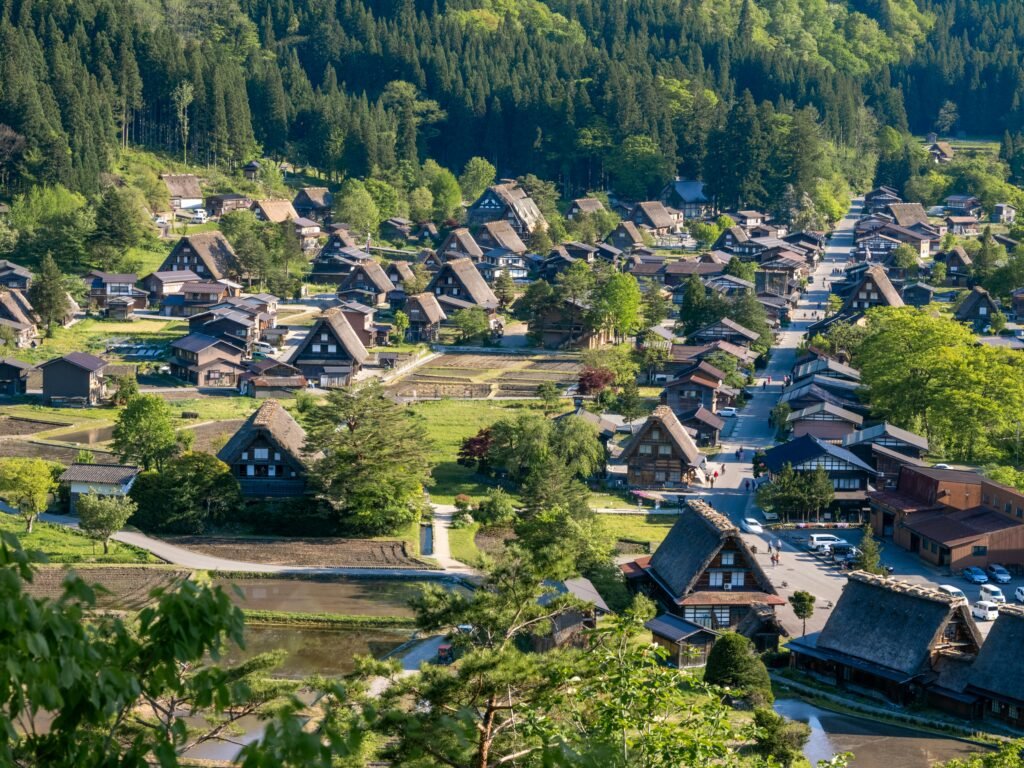
Head to the UNESCO-listed village of Shirakawa-go, known for its iconic gassho-zukuri farmhouses with steep thatched roofs designed to withstand heavy winter snow. Wander through the village’s peaceful lanes, admire the traditional architecture, and enjoy the scenic streams that weave between the houses—ideal for capturing beautiful photos. Don’t miss local specialties like gohei mochi (grilled rice cakes brushed with sweet miso) or comforting soba noodles made from buckwheat grown in the region.
Transport :
- Take a Nohi or Kaetsuno bus to Shirakawa-go (~50 min to 1 hr 40 min, approx. $19–$20 USD one way). These buses require advance seat reservations.
Evening
Take the bus back to Takayama and enjoy a quiet, relaxing evening in this charming historic town. Check into your hotel, unwind, and savor the calm atmosphere after a day of cultural exploration.
Day 6 – Takayama → Kyoto
Morning
Begin your day by traveling from Takayama to Kyoto, a smooth and scenic journey through the Japanese Alps and onward to Japan’s cultural capital.
Transport:
Step 1 — JR Limited Express Hida → Nagoya
- Duration: ~2 hours
- JR Pass: Covered
- Regular price without JR Pass: ~$50–$55 USD
Step 2 — Tokaido Shinkansen (Hikari or Kodama) → Kyoto
- Duration: ~35–50 minutes
- JR Pass: Covered
- Regular price without JR Pass: ~$45–$50 USD
⏱️ Total Travel Time
- ~3–3.5 hours (depending on transfer timing)
💰 Total Cost Without JR Pass
- ~$95–$105 USD one-way
Kyoto is the cultural soul of Japan, home to more than 1,000 temples and shrines, including world-famous landmarks like Kinkaku-ji and Fushimi Inari Taisha. With its traditional streets, serene gardens, centuries-old tea houses, and rich seasonal beauty, Kyoto offers an immersive journey into Japan’s heritage. It’s also a paradise for food lovers, known for kaiseki cuisine, matcha desserts, and delicate local specialties — making it an essential stop on any Japan itinerary.
Afternoon
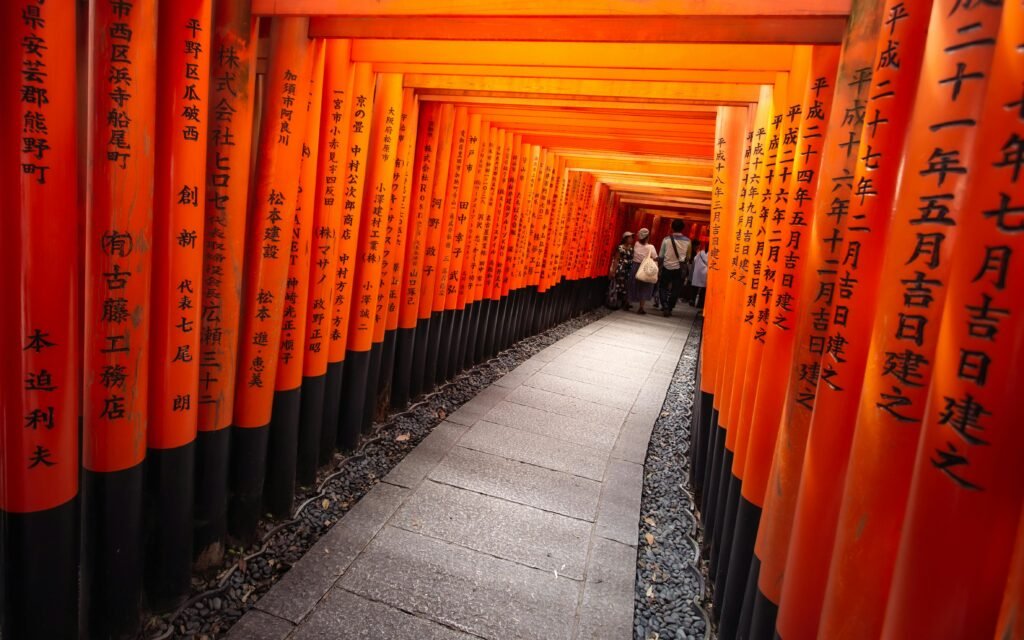
Head to the iconic Fushimi Inari Shrine, known for its endless path of vermilion torii gates stretching up the forested hillside. Enjoy a snack from nearby food stalls — try kitsune udon (udon topped with sweet fried tofu) or inari sushi (sweet tofu pockets filled with rice), both associated with the shrine’s fox deity.
Transport:
- From Kyoto Station, take the JR Nara Line → Inari Station (~5 min, ~$2 USD, JR Pass covered).
Evening
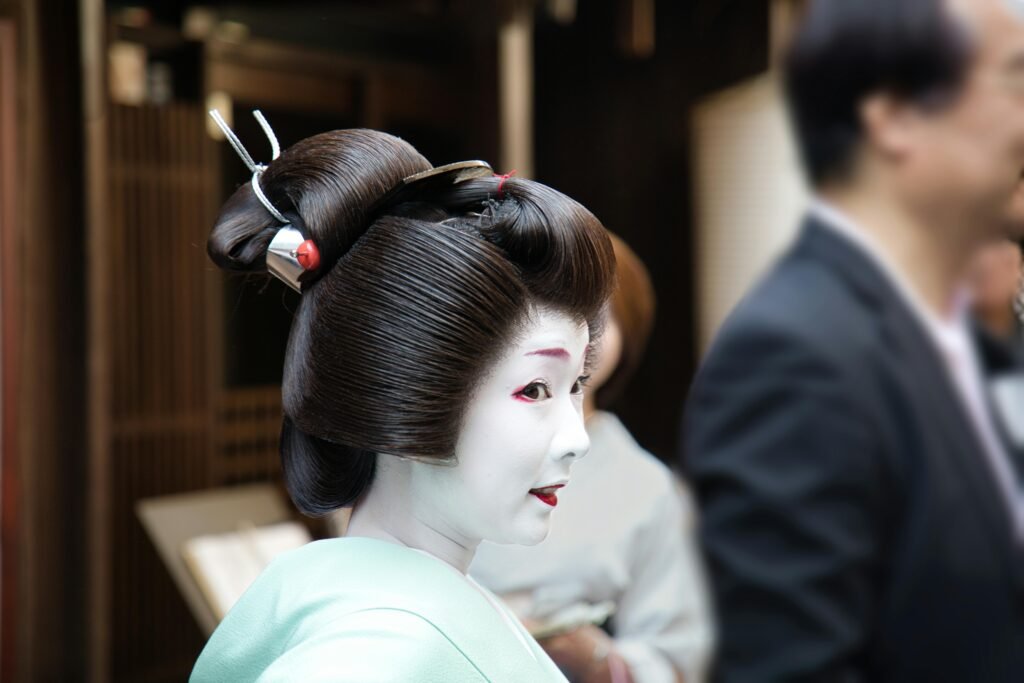
Wander through the atmospheric Gion district, famous for its traditional wooden teahouses, quiet lantern-lit alleys, and geisha culture. For dinner, choose from kaiseki meals, grilled river fish, or yudofu (Kyoto’s signature tofu hot pot). And if you’re lucky, you may spot a geisha or maiko gracefully heading to an evening engagement.
Transport:
- From Fushimi Inari, take the Keihan Main Line → Gion-Shijo Station (~10 min, ~$2 USD).
Where to Stay in Kyoto
Hotel/Neighborhood Tip: Stay in Gion, Higashiyama, or near Kyoto Station for easy access to major temples, traditional dining, and top sightseeing spots.
Hotel options across budgets:
- Budget-Friendly: Comfortable and affordable — check out this Kyoto budget hotel.
- Mid-Range: A perfect blend of convenience and comfort — see this mid-range Kyoto hotel.
- Luxury: For premium service, refined design, and beautiful surroundings — this luxury Kyoto hotel is an excellent choice.
Recommended Experiences
Enhance your Kyoto journey with these cultural activities:
- Tea Ceremony in Kimono: Enjoy a traditional matcha ceremony while dressed in an elegant kimono.
- Kendo & Samurai Experience: Learn samurai techniques using authentic equipment.
- Calligraphy Class: Try Japanese calligraphy in a peaceful temple setting with guidance from a local artist.
- Gion Night Walking Tour: Discover the hidden streets of Gion after sunset and learn about geisha traditions.
Day 7 – Kyoto : History & Nature
Morning
Start your day at the iconic Kinkaku-ji (Golden Pavilion), one of Kyoto’s most renowned landmarks. Admire its stunning gold-leaf exterior and serene pond setting. Originally built in the 14th century as a retirement villa for shogun Ashikaga Yoshimitsu, it later became a Zen temple. After exploring Kinkaku-ji, head to nearby Ryoan-ji, famous for its peaceful Zen rock garden and minimalist landscape—accessible either by a short bus ride or a 20-minute walk.
For a local snack, try yatsuhashi, a cinnamon-flavored Kyoto treat, or enjoy matcha soft cream, widely available around the temple area.
Transport:
- From Kyoto Station, take Kyoto City Bus #101 or #205 → Kinkaku-ji (~40 min, $2.50 USD).
Afternoon
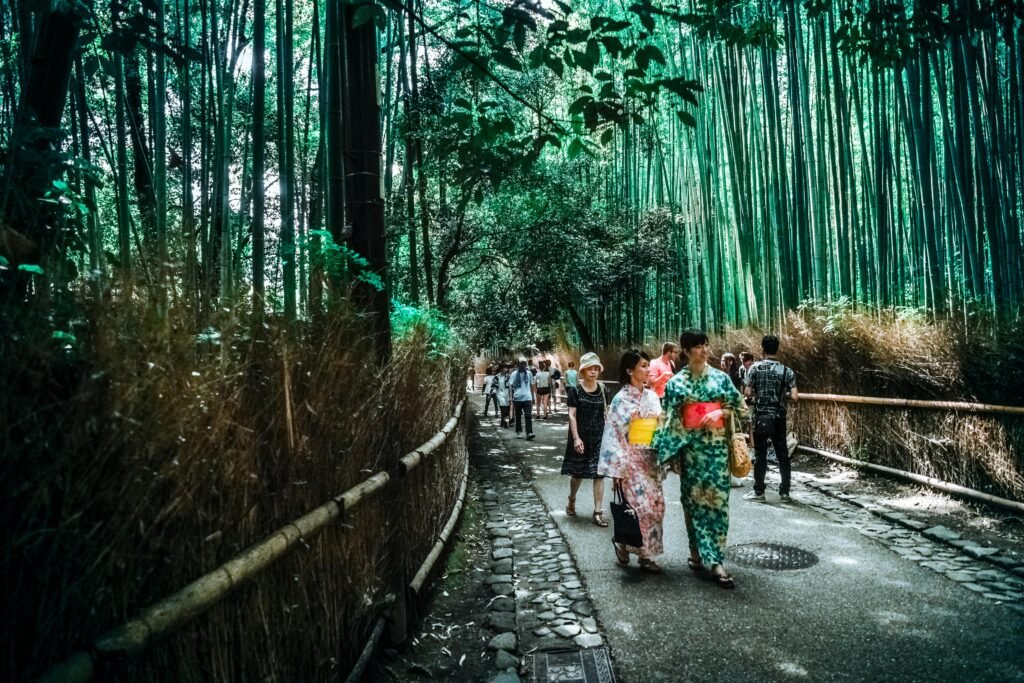
Travel to Arashiyama, a district celebrated for its serene Bamboo Grove and Monkey Park Iwatayama. Walk along the towering bamboo paths and hike up to the monkey park for sweeping views of Kyoto. For lunch, savor local specialties like soba noodles with mountain vegetables or unagi don (grilled eel over rice).
Transport:
- From Ryoan-ji, take the Keifuku Kitano Line → Katabiranotsuji, then transfer to the Keifuku Arashiyama Line (~35-40 min, $3 USD).
Evening
Return to central Kyoto for a traditional tea ceremony, offered at many teahouses in Gion or Higashiyama (45–60 minutes, ~$20–$30 USD). Afterward, enjoy a relaxing stroll along the Kamo River, soaking in the evening atmosphere. Dinner options include Kyoto-style small dishes (obanzai), vegetable tempura, or grilled seasonal fish for an authentic culinary experience.
Day 8 – Kyoto → Hiroshima
Morning
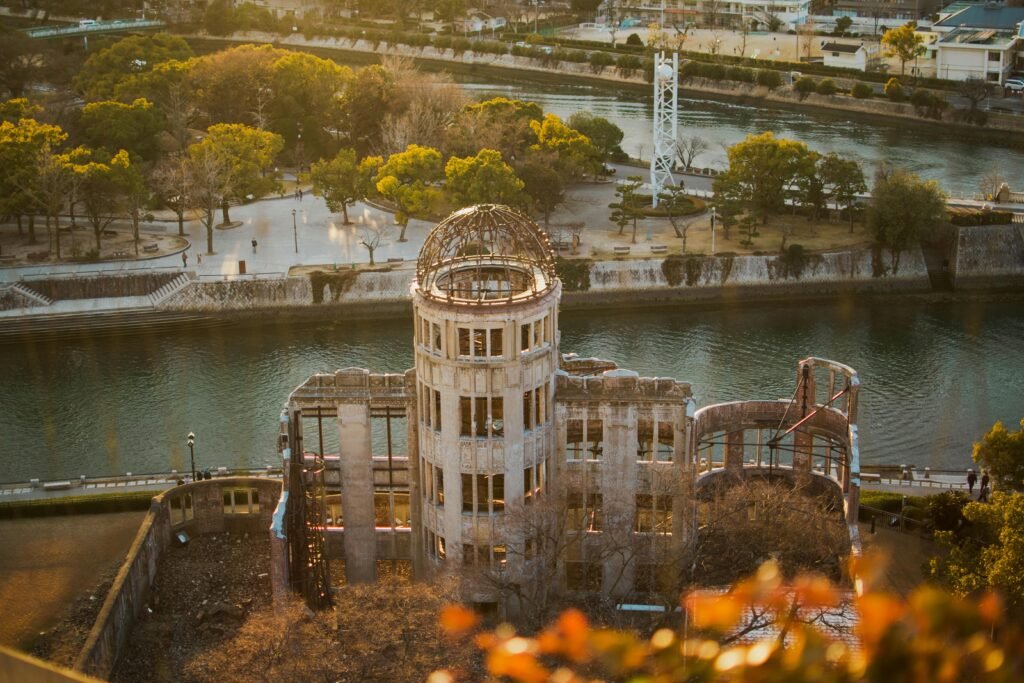
Travel from Kyoto to Hiroshima by Shinkansen. Upon arrival, visit the Peace Memorial Museum to learn about the events of 1945 and reflect on the city’s remarkable resilience. Then, walk around the A-Bomb Dome, the iconic structure preserved as a symbol of both devastation and hope.
Transport:
- Take the Sanyo Shinkansen from Kyoto → Hiroshima (~1 hr 45–2 hrs, ~$110 USD one-way; JR Pass covered if using Sakura or Hikari).
- From Hiroshima Station, take the tram → Peace Memorial Park (~15 min, ~$1.50 USD).
Afternoon
Enjoy a leisurely stroll through Shukkeien Garden, a beautifully landscaped Japanese garden offering serene ponds, bridges, and tea houses—perfect for a calm and reflective afternoon. Stop at a nearby café to try Hiroshima-style okonomiyaki, a savory layered pancake with cabbage, noodles, and your choice of toppings, a local specialty.
Transport:
- From Peace Memorial Park, it’s about a 10-minute tram ride or 20-minute walk to Shukkeien Garden (~$1 USD).
Evening
Return to the city center and relax with a casual riverside walk along the Motoyasu River or explore Hondori Shopping Street for a laid-back evening. Enjoy dinner at a cozy local restaurant serving Hiroshima specialties, such as grilled seafood, fresh oysters, or more okonomiyaki.
Transport:
- Walk back to your hotel or take a short tram ride if needed (~$1 USD, 5–10 min).
Where to stay in Hiroshima
Hotel/Neighborhood Tip: Hiroshima Station area – ideal for Shinkansen connections and city access.
Hotel options across budgets:
- Budget-Friendly: Check out this Hiroshima budget hotel for a comfortable and affordable stay .
- Mid-Range: See this recommended mid-range hotel which offers a balance of comfort, convenience, and price .
- Luxury: This luxury Hiroshima hotel is an excellent choice for travelers seeking top-class amenities and prime locations.
Recommended Experiences
- UNESCO Hiroshima & Miyajima Day Tour: Discover Hiroshima’s powerful historic landmarks and the breathtaking Itsukushima Shrine on Miyajima Island during this full-day guided adventure — an unforgettable experience for first-time visitors.
- Traditional Japanese Archery: Step into the world of kyūdō and learn the art of Japanese archery in this immersive, hands-on session that brings this timeless tradition to life.
Day 9 – Miyajima→ Tokyo
Morning
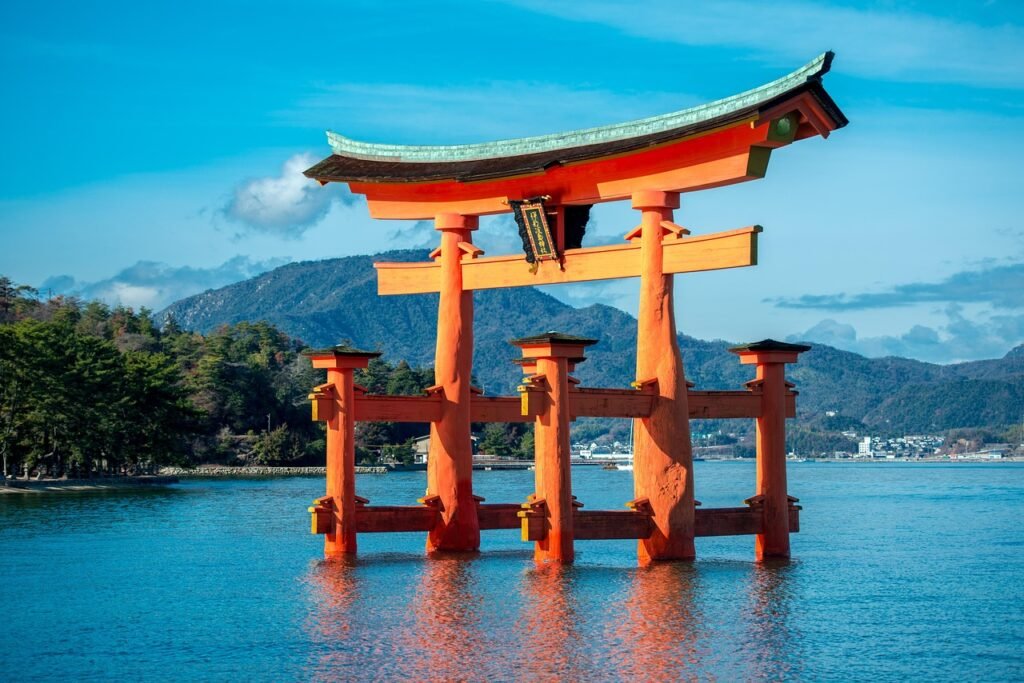
Head to Miyajima, a scenic island known for its iconic floating torii gate, charming streets, and peaceful temples—a perfect spot to enjoy Japan’s natural beauty and culture.
Transport:
Take the JR Sanyo Line from Hiroshima Station → Miyajimaguchi ~$3 USD, then the JR ferry to Miyajima Island ~$1.50 USD(both JR Pass covered).
Focus on Miyajima’s must-see highlights: visit the iconic Itsukushima Shrine and marvel at the famous floating torii gate. Wander along Omotesando Street, explore its charming shops and cafés, and don’t miss momiji manju, the island’s signature maple-leaf-shaped treat. For stunning panoramic views, you can optionally take the Mt. Misen ropeway. Keep your morning relaxed by skipping other temples or long hikes.
💡 Pro tips :
- Take the first ferry available to avoid crowds.
- Wear comfortable shoes; the island is best explored on foot.
Afternoon
Return to Hiroshima and enjoy a relaxed lunch near Hiroshima Station. You can try Anago Meshi — grilled conger eel served over steamed rice, often glazed with a sweet soy-based sauce.
💡 Pro tips :
- Keep lunch close to the station to avoid extra transfers.
- Grab water and snacks for the Shinkansen journey to Tokyo.
Evening
Take the Shinkansen from Hiroshima to Tokyo . Once in Tokyo, head to an iconic skyscraper such as Tokyo Skytree or Tokyo Tower for a relaxed dinner with breathtaking city views.
Transport:
- Take the Shinkansen from Hiroshima → Tokyo ~$135–$150 (JR Pass covered)
- Best option if you have a Japan Rail Pass (JR Pass): choose a Sakura, Hikari or Kodama train — those are fully covered (fare + express supplement). Avoid “Nozomi” or “Mizuho,” because they require a supplementary charge.
- Travel time: ~4 hrs 30 min to ~5 hrs (on Sakura / Hikari / Kodama trains covered by pass).
💡 Pro tips :
- Reserve Shinkansen seats for comfort on the 4-hour ride.
- It’s better to book a table in advance for your skyscraper dinner
- Bring a light jacket or sweater; evening breezes can be cool at skyscraper observation decks.
Where to Stay Near Tokyo Station
Hotel/Neighborhood Tip: Choose accommodation near Ginza or Tokyo Station for maximum convenience and easy access to the airport the following day.
Hotel options across budgets:
- Budget-Friendly: Comfortable and practical — consider this budget hotel near Tokyo Station.
- Mid-Range: A perfect mix of comfort and location — check out this recommended mid-range hotel.
- Luxury: For top-tier amenities and a prime location, this luxury hotel is an excellent choice.
Day 10 – Tokyo : Departure
Morning
If time permits on your final day, enjoy a quick stroll or light shopping near your hotel—an easy way to soak up the city before departure. Popular areas include Ginza, Akihabara, or Tokyo Station, making it a smooth and relaxing end to your 10 day Japan itinerary.
Transfer to the airport:
- From Tokyo Station to Narita Airport : Take the Narita Express (N’EX) to Narita Airport (~1 hr, ~$20–$22 USD, covered by the JR Pass) or the Airport Bus TYO-NRT (~65–90 min, ~$10 USD).
- From Tokyo Station → Haneda Airport:
- Take the Yamanote Line or Keihin-Tohoku Line from Tokyo Station → Shinagawa Station (~20 min, ~$2 USD, JR Pass covered).
- At Shinagawa, transfer to the Keikyu Line Airport Express → Haneda Airport (~20 min, ~$4–5 USD).
- Total time: ~40 min | Total cost: ~$6–7 USD
Consider a private transfer via Welcome Pickups. A driver meets you at your hotel and takes you straight to the airport .
Arrive 2–3 hours before your flight for check-in and security, and take one last moment to enjoy Tokyo’s skyline on your way out.
Conclusion
This 10 day japan itinerary is ideal for first-time visitors or anyone looking to explore Japan in depth. Each day is carefully planned to balance adventure with relaxation, ensuring a smooth, memorable journey.
10 days in Japan doesn’t have to be stressful—this guide takes care of the logistics so you can focus on what matters most: immersing yourself in the culture, tasting authentic cuisine, and creating unforgettable memories.
Save this itinerary for later, and I’d love to hear from you—what’s the one experience in Japan you can’t wait to try first?