
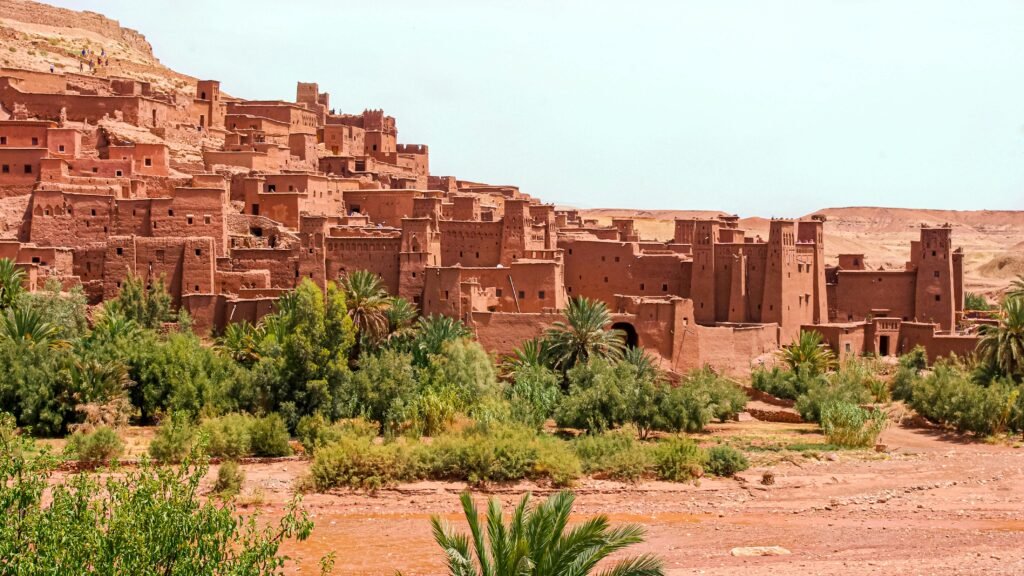
If you’re used to traveling in large Western cities, Morocco can initially feel a bit challenging to navigate. Fortunately, this two-week Morocco itinerary is designed to make your journey smooth, well-paced, and deeply rewarding.
Over the course of this itinerary, you’ll experience the country’s most iconic destinations. The journey begins in the vibrant city of Casablanca, followed by a visit to the elegant capital, Rabat. You’ll then head north for a touch of adventure in Northern Morocco, exploring Tangier, the breathtaking natural landscapes of Akchour, and the enchanting blue streets of Chefchaouen, often called the Blue Pearl.
From Tangier onward, the journey is best experienced by rental car, giving you the freedom to explore Morocco at your own pace. From Chefchaouen, the route continues to Fes, home to one of the world’s oldest and most fascinating medinas, before heading south toward the golden dunes of Merzouga. Along the way, you’ll discover Ifrane, known as the “Switzerland of Morocco,” wander through ancient cedar forests, and enjoy the stunning Atlas Mountain scenery around Midelt.
The journey then turns into a true road-trip adventure, traveling from Merzouga to Marrakech via some of Morocco’s most spectacular landscapes. Highlights include the dramatic Todra Gorge, the picturesque Dades Valley, and the legendary Aït Ben Haddou, famous for its cinematic kasbahs.
What makes this 2 week Morocco itinerary truly special is its balance. It covers Morocco’s major highlights without feeling rushed or overwhelming. While two weeks is an ideal amount of time, keeping the pace manageable allows you to relax, immerse yourself in local culture, and genuinely connect with the country.
This morocco travel guide includes day-by-day itineraries, transportation tips, authentic local experiences, must-try Moroccan cuisine, and carefully selected hotel recommendations in the best neighborhoods. To ensure a smoother experience, hotel changes have been minimized, allowing you to travel efficiently while fully enjoying each destination. Think of it as your all-in-one companion for a comfortable and seamless Moroccan adventure—perfect for anyone searching for the best two week Morocco itinerary or a complete Morocco travel guide.
If you love planning two-week trips, don’t miss my Costa Rica and Japan two-week itineraries—clear, simple, and just as easy to follow. And in case you only have 5 or 7 or even 10 days to spare in Morocco, check out this 10-day Morocco itinerary , 7 day Morocco itinerary and 5-day Morocco itinerary with many options to choose from.
Some links in this post are affiliate links, which means I may earn a small commission if you book or make a purchase through them—at no extra cost to you. Your support helps me continue creating detailed and practical travel guides. Thank you for supporting this blog!
Quick Facts about Traveling to Morocco
- Best time to visit Morocco: March to May (spring) , summer and September to November, ideal seasons if you’re planning a two-week Morocco itinerary or exploring the country over 14 days.
- Official languages: Morocco has two official languages — Arabic (Darija dialect) and Amazigh (Berber). French is widely used in administration, transportation, and daily communication. In major tourist destinations like Marrakech, Casablanca, Fes, and Tangier, many Moroccans also speak English, especially in hotels, restaurants, and tour services. In the northern regions, including Tangier, Tetouan, and Chefchaouen, Spanish is commonly spoken as well.
- Currency used in Morocco: Moroccan Dirham (MAD). Please check current rates.
Approximate conversions:- 1 USD ≈ 10 MAD
- 1 EUR ≈ 11 MAD
- Is Morocco safe for tourists? Yes — Morocco is generally safe for travelers following a Morocco trip itinerary, especially in well-visited areas like Marrakech, Fes, Chefchaouen,Tangier and Rabat . Standard travel precautions still apply.
- Main religion in Morocco: Islam
- Ideal trip duration: A two-week trip to Morocco (14 days) offers the best mix of cities, mountains, desert, and coast. Even 10 days in Morocco works well for a faster-paced itinerary.
- Morocco travel budget: Mid-range overall. Food and transport are affordable, but desert tours and riads can raise costs. Booking in advance helps stretch your budget for a 2-week Morocco itinerary. For updated prices, see the Cost of Living in Morocco.
Must-Try Dishes in Morocco
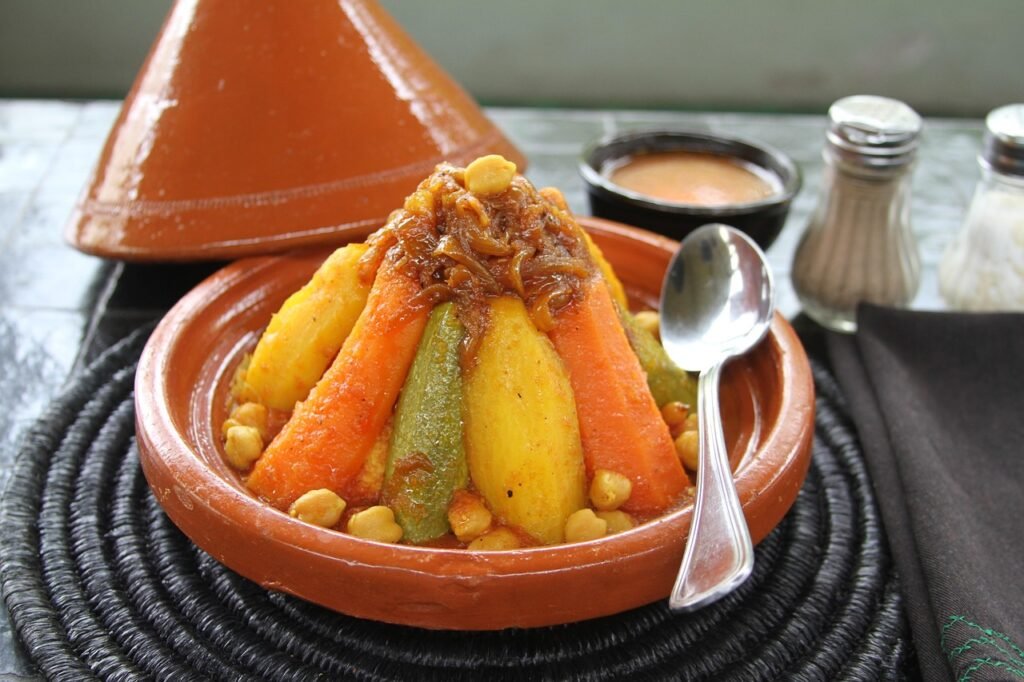
Morocco is known for slow-cooked dishes, bold spices, and unique sweet–savory flavors. Here are the top Moroccan foods every traveler should try:
1. Tagine: The country’s signature dish — from chicken with lemon and olives to vegetable or beef tagine.
2. Lamb Tagine with Prunes: Tender lamb cooked with prunes, almonds, and cinnamon — a true Moroccan favorite.
3. Djaj M’hmer: Golden roasted chicken marinated in saffron, garlic, and spices, served with caramelized onions and olives.
4. Couscous: Traditionally enjoyed on Fridays, topped with vegetables, chickpeas, and your choice of meat. Try the tfaya version for extra flavor.
5. Tanjia (Marrakech Specialty): Slow-cooked lamb or beef prepared in a clay urn, giving it deep, smoky flavors.
6. Pastilla: A sweet–savory pastry filled with chicken and almonds, wrapped in thin, flaky layers.
7. Harira: A comforting soup made with tomatoes, lentils, and chickpeas — perfect as a starter.
8. Rfissa: It’s a mix of shredded msemen or trid pastry, tender chicken, lentils, and a fragrant broth infused with fenugreek, saffron, and ras el hanout. It’s traditionally served during family gatherings and special occasions, especially to celebrate new mothers.
9. Kaab el Ghazal (Keeb Lghzal): Morocco’s iconic crescent-shaped almond cookie, flavored with orange blossom water — delicate, aromatic, and a must-try dessert.
10. Moroccan Mint Tea: The national drink of Morocco. Strong green tea mixed with fresh mint leaves and poured high for extra foam — a symbol of hospitality and a must-try experience.
How to Get to Morocco
Most travelers starting a 14-day Morocco itinerary arrive by air. Morocco’s major international airports include Casablanca Mohammed V Airport (CMN), Marrakech Menara Airport (RAK), Tangier Ibn Battuta Airport (TNG), and Agadir Al Massira Airport (AGA). Casablanca is the most common entry point for classic two-week Morocco routes, while Marrakech is ideal for itineraries focused on the desert. Tangier is perfect for northern Morocco itineraries, and Agadir works well if you plan to end your two weeks in Morocco with beach relaxation.
Morocco is easily accessible, with direct flights available from major cities across Europe, the Middle East, and North America.
How to Get Around Morocco
Getting around Morocco is straightforward, with plenty of transportation options to support a well-planned two-week Morocco itinerary. Whether traveling between imperial cities, venturing into the Atlas Mountains, or heading toward the Sahara Desert, Morocco’s system of flights, trains, buses, taxis, and rental cars makes it easy to explore the country efficiently. However, for this specific 14-day Morocco route, renting a car after leaving Tangier offers the most flexibility. It allows you to explore mountain villages, scenic viewpoints, and smaller towns at your own pace — places that are harder to reach by public transport.
1. Domestic Flights
Domestic flights are a fast way to cover long distances, especially if your 14-day Morocco trip includes the deep south or remote desert regions. Airlines like Royal Air Maroc, Air Arabia Maroc and Ryanair offer frequent flights between major hubs such as Casablanca, Marrakech,Fes, Tangier, Agadir, Dakhla, and Laâyoune. Flying can save significant time when traveling across the country.If your Morocco trip includes distant regions, platforms like Trip.com make it easy to compare airlines and find deals.
2. Rental Cars
Renting a car offers flexibility for travelers who want to explore mountains, coastal areas, or rural landscapes at their own pace. Morocco drives on the right side of the road, and most foreign visitors can rent a car using their national driver’s license, though an International Driving Permit (IDP) is recommended. Highways between major cities are well maintained, making road trips a great option for two weeks in Morocco. However, driving in old medinas like Marrakech or Fes is not recommended due to narrow streets and busy traffic.
Reputable international and local rental agencies such as Avis, Hertz, Europcar, Sixt,and Budget operate across Morocco and typically offer one-way rentals, allowing travelers to pick up a car in one city and drop it off in another (often with a drop-off fee). These agencies have offices at major airports and city centers, ensuring reliability and good roadside assistance.
3. Public Transportation
Morocco’s train network, operated by ONCF, connects major destinations such as Casablanca, Rabat, Tangier, Marrakech, Fes, and Meknes. Trains are clean, reliable, and convenient for long-distance travel during a two-week Morocco itinerary. The Al Boraq high-speed line ( by ONCF ) operates exclusively between Casablanca, Rabat, Kenitra, and Tangier, offering the fastest way to travel along this northern corridor.
For regions not served by trains, long-distance buses like CTM and Supratours provide comfortable and reliable connections to destinations such as Chefchaouen, Essaouira, Merzouga, Agadir, and areas in the High Atlas Mountains. Apps like Google Maps, the ONCF app, and the CTM website make planning routes simple and efficient.
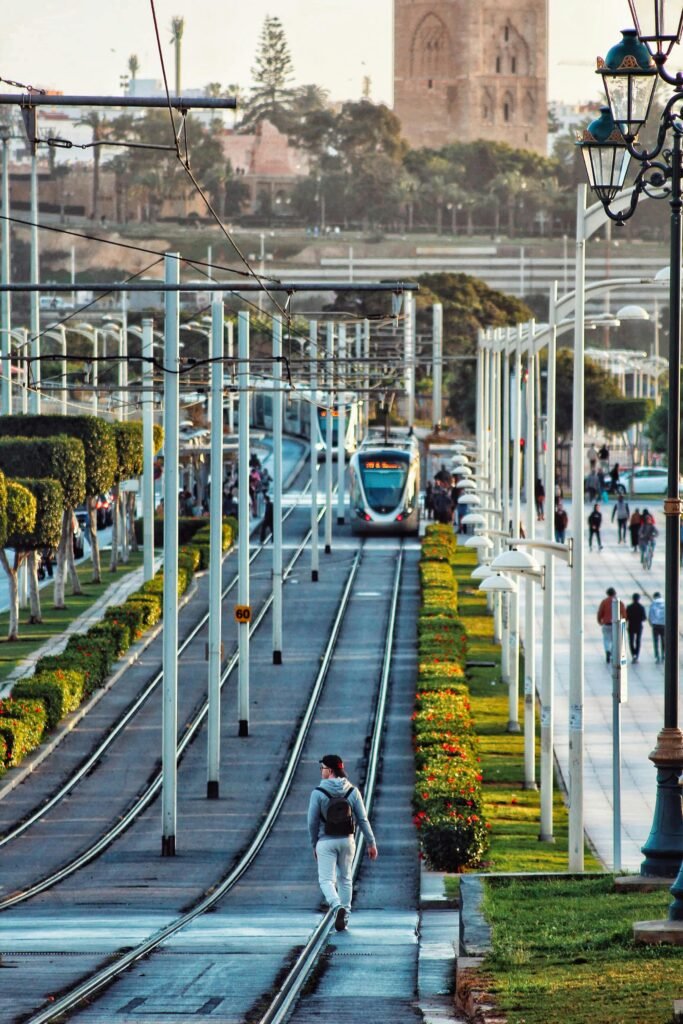
Casablanca and Rabat both have modern, efficient tramway networks that make getting around incredibly easy. In Casablanca, the tram connects major neighborhoods and landmarks, offering a clean, affordable alternative to taxis. Rabat’s tramway is even more convenient — smooth, reliable, and linking the capital with Salé in just minutes. For travelers, both systems are safe, budget-friendly, and perfect for quick city hops without traffic.
4. Shuttle Services
For airport transfers or intercity travel, shuttle services offer a stress-free and reliable option. Many riads and hotels in Marrakech and Fes provide private transfers, which is especially helpful upon arrival in busy medina areas. Travelers looking for a seamless experience can also book trusted services like Welcome Pickups, which offers professional drivers, fixed pricing, and meet-and-greet private service at the airport.
Morocco also offers affordable public shuttle options, such as the ONCF airport train in Casablanca. This train runs on a fixed schedule between Mohammed V International Airport and Casa Port Station, providing a punctual and budget-friendly way to reach the city center without dealing with traffic.
5. Taxis and Ride-Hailing
Taxis are abundant in Moroccan cities. Petit taxis operate within city limits, while grand taxis serve both intercity and intra-city routes — they function like a shared minibus, usually carrying up to six passengers, and are a common, affordable way to travel between towns or even short distances inside cities. Ride-hailing apps such as inDrive and Careem are also widely used, making it easy to book rides quickly, pay cashlessly, and navigate larger cities like Casablanca, Marrakech, and Rabat. Together, these options allow travelers to move efficiently and comfortably between sights during a Morocco two-week itinerary.
Tips for Getting Around Morocco
- Book trains and buses early: Especially during holidays or peak travel seasons, this ensures availability and the best prices for your two-week Morocco itinerary.
- Use ride-hailing apps: Careem and inDrive make short city trips convenient, reliable, and cashless in larger cities like Casablanca, Marrakech,Tangier and Rabat.
- Download essential apps: Google Maps, the ONCF app (for trains), and the CTM app (for buses) help you navigate routes, schedules, and transfers easily.
- Carry cash: Many small towns and rural areas may not accept cards, so having cash on hand is essential for smooth travel during a 14-day Morocco trip.
- Consider renting a car after Tangier: For this specific Morocco 2 week itinerary, renting a car after leaving Tangier gives you extra flexibility and freedom to explore the Atlas Mountains, desert regions, and scenic coastal routes at your own pace — allowing you to reach off-the-beaten-path locations that are harder to access by public transport.
With these transport options, your two weeks in morocco itinerary will flow smoothly — allowing you to enjoy Morocco’s medinas, mountain landscapes, desert dunes, and vibrant coastal towns without stress.
Your Two Week Itinerary in Morocco
Day 1 – Welcome to Casablanca
Morning
Welcome to Morocco! Arrive in Casablanca Mohammed V International Airport (CMN), get settled, freshen up, and begin your journey with your first taste of Morocco’s largest and most dynamic city.
Take it easy on arrival day—Casablanca is modern, lively, and a great introduction before heading north or inland.
Transport :
- Train (Recommended):
The ONCF airport train runs directly from CMN Airport to Casa Port Station .
⏱️ ~45 minutes
💰 ~$5.50 USD
🚆 Trains run frequently and are comfortable—this is the easiest option for most travelers. These trains don’t run overnight (roughly 23:00 – 04:00/05:00). - Taxi:
Official white taxis are available outside the terminal.
⏱️ ~45–60 minutes (traffic dependent)
💰 Fixed airport rate (~$28-32 USD to the city center).
Ideal if you have luggage or are arriving late. - Private Transfer:
For a smooth, stress-free arrival—especially after a long flight—consider booking a private transfer with Welcome Pickups in advance. Your driver will meet you at arrivals and take you directly to your hotel, no negotiating required.
Afternoon
Discover the charm of Habous (New Medina), a calm and authentic quarter known for its traditional architecture and artisan shops. Wander through its arcaded streets, browse stalls selling slippers, ceramics, spices, and handcrafted souvenirs, and soak in a slower, more local atmosphere compared to the old medinas of other Moroccan cities.
Stop for lunch at a traditional restaurant in El Baladia area and try camel meat, a local specialty that’s surprisingly tender and flavorful—often served as grilled meatballs. It’s a unique introduction to Moroccan cuisine and a memorable first-day experience.
After lunch, make a sweet stop at Pâtisserie Bennis, one of Casablanca’s most well-known traditional pastry shops. Pick a selection of Moroccan pastries such as gazelle horns (kaab el ghzal), almond briouats, and chebakia. You can enjoy your pastries at nearby traditional cafés like L’Impérial or Mauritania, where locals gather for mint tea or coffee in a classic setting.
Transport:
- Petit taxi from central Casablanca (~10–15 min, inexpensive)
Evening
Head to Ain Diab Corniche for a relaxed seaside walk. This lively coastal area is perfect for unwinding after a full day—watch locals strolling along the promenade, enjoy ocean views, and feel the Atlantic breeze as the sun begins to set.
Most restaurants and cafés are located along Boulevard de la Corniche, offering everything from casual seaside cafés to sit-down restaurants with ocean views. Whether you choose dinner by the water or just a coffee with the sound of the waves, it’s a great way to end your first day in Casablanca before returning to your hotel.
Where to stay in Casablanca
Hotel/Neighborhood Tip: For practical transport connections and easy sightseeing, stay in Maarif, Gauthier, Corniche Ain Diab, or near Casa Port Train Station. These areas offer safe, walkable streets, great cafés and restaurants, and convenient access to major attractions like the Hassan II Mosque, the Corniche, and the old medina.
Hotel options across budgets:
- Budget-Friendly: Campanile Casablanca Centre Ville and Oriental Hotel are well located, comfortable, and offer great value for an affordable price.
- Mid-Range: Radisson Hotel and Le Square by Onomo are excellent choices if you want the perfect blend of comfort, convenience, and great overall value.
- Luxury: Treat yourself at Royal Mansour or Four Seasons Casablanca, where exceptional service and beautiful ocean or city views create a truly luxurious stay.
Recommended Tour
Discover the authentic side of Casablanca with traditional lunch : Explore the heart of Casablanca on a full-day tour that blends history, culture, and local flavors. Start in Derb Sultan, one of the city’s most authentic neighborhoods, and enjoy a traditional camel meat tajine or barbecue for lunch. Wander through the charming streets of El Habbous, admire the vibrant Art Deco architecture downtown, and get lost in the old Medina’s narrow alleys. End your day with a view of the stunning Hassan II Mosque, an iconic Casablanca landmark by the Atlantic.
Day 2 – Casablanca → Rabat
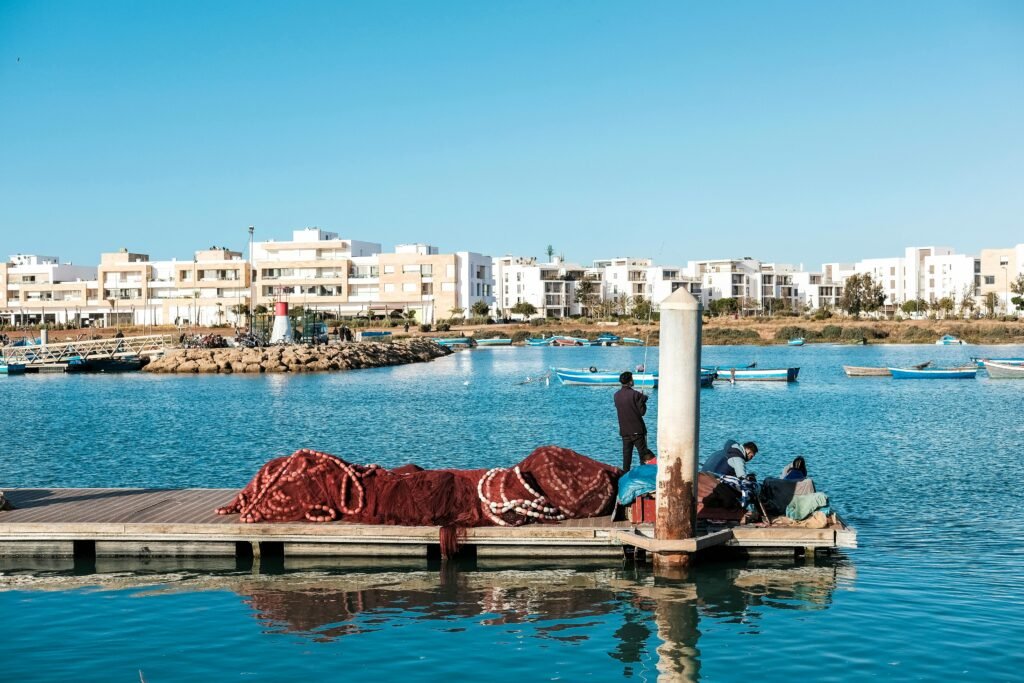
Morning
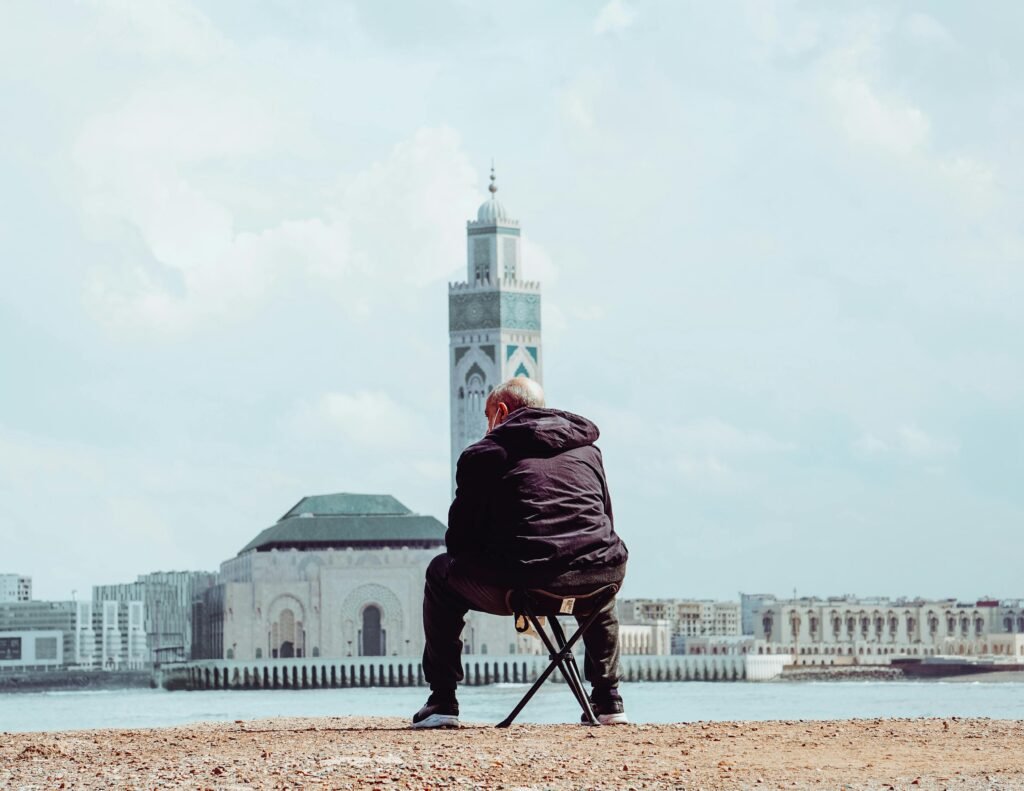
Start your day with a traditional Moroccan breakfast at Marina Shopping mall , enjoying warm mint tea and local specialties while overlooking the Atlantic Ocean. After breakfast, visit the iconic Hassan II Mosque, one of the largest mosques in the world and Casablanca’s most famous landmark. Set dramatically over the Atlantic Ocean, its intricate zellige tilework, carved marble, and towering minaret offer a powerful introduction to Moroccan craftsmanship.
Non-Muslim visitors can join a guided interior tour, which provides insight into Islamic architecture and Moroccan religious traditions. Allow time to walk along the oceanfront afterward and take in the sea views.
Transport:
- Petit taxi from your hotel to Hassan II Mosque (easy and inexpensive)
After your visit, head to the train station to continue to Rabat.
Casablanca → Rabat Transport:
- ONCF train from Casa Voyageurs or Casa Port to Rabat Ville (~$5.50 USD)
⏱️ ~1–1.5 hours
🚆 Trains run frequently and are comfortable
Afternoon
Arrive in Rabat, Morocco’s elegant capital, and begin your visit with lunch in the medina, where traditional eateries serve classic Moroccan dishes such as tagines, couscous (on fridays) , grilled meats, and fresh salads in a lively local atmosphere.
After lunch, head to the Kasbah of the Oudayas and wander through its peaceful blue-and-white lanes while enjoying sweeping views over the Bouregreg River and the Atlantic Ocean. Continue to the nearby Andalusian Gardens, a quiet green space filled with orange trees, fountains, and shaded paths—perfect for a relaxed stroll.
Next, head to the Hassan Tower, Rabat’s most iconic landmark, and visit the adjacent Mohammed V Mausoleum. Admire the unfinished minaret, expansive esplanade, and the mausoleum’s exquisite white marble, green-tiled roof, and intricate craftsmanship. The ceremonial guards and serene atmosphere make this a memorable cultural stop.
Afterward, visit Chellah, a hauntingly beautiful archaeological site combining Roman ruins and a medieval Islamic necropolis. Walk among crumbling walls, storks’ nests, and lush greenery, and soak in the site’s tranquil, slightly mysterious atmosphere. Inside the site, stop by Ciconia Café, a lovely spot known for its peaceful setting and beautiful views—perfect for a short break or a drink before continuing your exploration of Rabat.
Evening
Head into Rabat’s Medina for an early evening walk, browsing local shops and small artisan stalls. Then stroll along Avenue Mohammed V, the city’s main boulevard, lined with palm trees, colonial-era buildings, cafés, and shops. As you walk, you’ll also pass the Moroccan Parliament, an important national landmark known for its distinctive red façade and lively atmosphere, especially when the square in front is filled with locals and visitors.
Choose a restaurant nearby for dinner and enjoy a relaxed evening in Rabat before settling in for the night.
Where to stay in Rabat
Hotel/Neighborhood Tip: For practical transport connections and easy sightseeing, stay in Hassan & the Medina (or Kasbah des Oudayas), Agdal, or L’Océan . These areas are centrally located, well-served by taxis and tram lines, and put you close to Rabat’s top attractions like the Kasbah, Hassan Tower, and the Bouregreg waterfront.
Hotel options across budgets:
- Budget-Friendly: Riad Dar Rabiaa and Riad Louane are charming riads tucked inside the Medina, offering cozy comfort, authentic Moroccan charm, and excellent value for travelers on a budget.
- Mid-Range: Story Le Carrousel Hotel is perfect for travelers who want stunning sea views, while Rabat Marriott Hotel, located in the city center, combines modern comfort with top-notch amenities. Both are conveniently close to shopping malls and local attractions.
- Luxury: Treat yourself to the ultimate luxury at Fairmont Hotel La Marina Rabat-Salé, with breathtaking views of the Oudayas Kasbah and Bouregreg River, or enjoy sophisticated elegance at Four Seasons Hotel Rabat, perfectly located near the Corniche for a premium seaside experience.
Recommended Tours & Experiences
- Moroccan Cooking Class with a Local Family: Learn to prepare traditional Moroccan dishes in a cozy home setting and enjoy a hands-on culinary experience.
- Culinary Walking Tour: Explore Rabat’s markets and food stalls, sampling authentic street food and discovering the city’s rich culinary culture.
- Nocturnal Visit with Traditional Moroccan Dinner: Take a guided evening tour of Rabat’s iconic landmarks, followed by a delicious Moroccan meal in a local restaurant.
- Private Walking Tour of Rabat: Discover the city’s hidden gems, historical sites, and local atmosphere with a knowledgeable guide on a personalized walking tour.
Day 3 – Rabat → Tangier
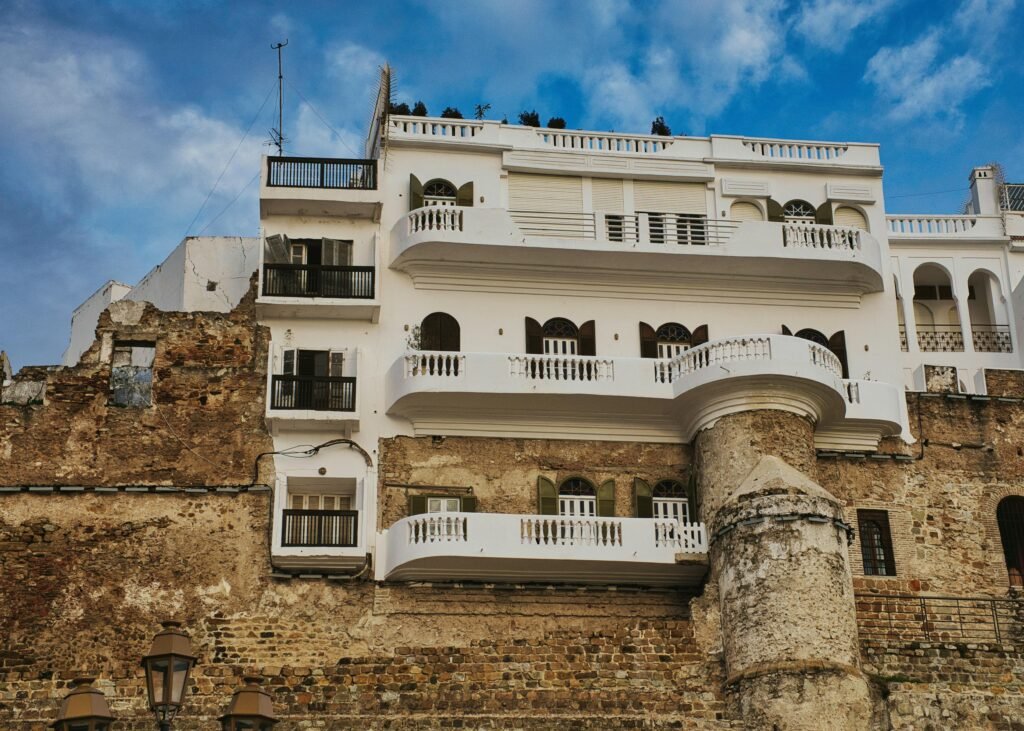
Morning
Start your day with breakfast at Café La Comédie in Rabat, a popular spot known for its relaxed atmosphere and classic breakfast options. It’s a great way to ease into the morning before a travel day.
After breakfast, make your way to the train station and take the TGV train from Rabat ( Rabat Agdal station) to Tangier, a fast and comfortable journey along Morocco’s Atlantic coast. The high-speed ride offers a stress-free way to cover the distance while enjoying changing coastal and countryside views as you head north toward Tangier.
Transport:
- Rabat Agdal → Tangier TGV Station
⏱️ ~2 hours 10 minutes
💰 ~$27-33 USD (1st class slightly higher)
🚆 Trains run frequently; booking in advance is recommended, especially for first-class seating.
Upon arrival, check into your hotel or drop off your luggage to start exploring Tangier.
Afternoon
Begin your Tangier exploration at the American Legation Museum, which closes earlier than many other sights. This historic building in the heart of the medina dates back to the early 19th century and highlights Tangier’s unique diplomatic past. Inside, you’ll find rotating art exhibitions, historical documents, and a peaceful courtyard that offers a quiet introduction to the city’s cultural heritage.
After your visit, stroll through the medina, wandering its narrow lanes filled with artisan shops, colorful souks, and everyday local life. This walk naturally leads you deeper into Tangier’s historic core and gives you time to soak in its layered influences.
Stop for lunch along Rue de la Kasbah, a charming street known for its traditional restaurants and relaxed atmosphere—an ideal spot to enjoy Moroccan cuisine before continuing your day.
In the afternoon, make your way to the Kasbah, Tangier’s fortified old city. Walk through its whitewashed streets, admire the blend of Moroccan and Andalusian architecture, and enjoy panoramic views over the Strait of Gibraltar and the port, one of the most scenic viewpoints in the city.
Transport:
- All these sites are within walking distance in Tangier’s medina and Kasbah area.
- Petit taxis are available for short hops (~1.5–2.3 USD ) if needed.
Evening
On your way to Café Hafa, stop at the Phoenician Tombs, an atmospheric archaeological site carved into the cliffs overlooking Tangier. Take a few minutes to walk around, enjoy sweeping views of the city and the Atlantic Ocean, and reflect on Tangier’s ancient history.
Continue on to the legendary Café Hafa, perched dramatically above the sea. Settle in with a glass of traditional mint tea and watch the sun dip into the Atlantic—one of Tangier’s most iconic and relaxing sunset experiences.
If you prefer a café closer to the medina, Aux 3 Portes is a great alternative, known for its relaxed setting, good coffee, and classic Moroccan dishes right at the edge of the old city. Another excellent option is Café Continental, one of Tangier’s oldest cafés, offering a historic ambiance, terrace seating, and views toward the port.
After your café stop, stroll back through the medina for a light dinner at a nearby local restaurant or return to your hotel for a relaxed evening.
Where to stay in Tangier
Hotel/Neighborhood Tip: For convenient transport connections and easy sightseeing, stay in Ville Nouvelle (City Center), Old Medina & Kasbah, Corniche & Malabata, or Marchan. These areas put you close to Tangier’s best attractions — from historic sites like the Kasbah and the Medina’s markets to seaside promenades along the Corniche — and are well‑served by taxis and easy walking routes around the city.
Hotel options across budgets:
- Budget-Friendly: Riad Dar Rif Kebdani and Zoco Riad are charming riads nestled in the heart of the Medina, offering cozy comfort, authentic Moroccan ambiance, and excellent value for travelers on a budget.
- Mid-Range: Barcelo is ideal for those seeking breathtaking sea views, while Grand Hotel Villa de France, perched on a hill near the Medina, offers a timeless historic atmosphere. Both hotels are conveniently close to the Marina and the vibrant streets of the Medina.
- Luxury: Indulge in ultimate luxury at Fairmont Tazi Palace Tangier, set in a serene area for maximum relaxation, or enjoy an elegant stay at Suites By Le Reve, perfectly located near the Corniche with premium seaside views and world-class amenities.
Recommended Tours & Experiences
- Culinary Walking Tour in Tangier: Embark on a delightful journey through the Medina’s bustling streets, where you’ll sample the finest local dishes, from street food to traditional delicacies, all while learning about Tangier’s rich food culture.
- Walking Tour of Tangier: Explore Tangier’s rich history and modern charm on a 5-hour guided tour, starting with the vibrant Port and luxurious neighborhoods, then heading to Cap Spartel for stunning views of the Atlantic and Mediterranean. Take a camel ride and visit the Hercules Caves, and wander through the Kasbah and Medina, where artisans work their craft. Finish with a visit to the historic Parc de la Mendoubia, before returning to the port for an unforgettable experience of this captivating city.
- Sunset Camel Ride & Scenic Tangier Tour: Experience an unforgettable evening in Tangier with a guided tour that starts with a relaxing drive in a comfortable minivan. Visit the serene Perdicaris Park, the iconic Cape Spartel Lighthouse, and the historic Hercules Caves before ending with a magical camel ride at sunset along the beach. In small groups, you’ll enjoy a personal, romantic, and peaceful adventure through some of Tangier’s most stunning spots.
- Coastal Adventure & Camel Ride in Tangier: Discover Tangier’s highlights on this small group tour, featuring stunning views at Cap Spartel where the Mediterranean meets the Atlantic. Explore the legendary Hercules Caves and enjoy a scenic camel ride along the beach, immersing yourself in the natural beauty and rich history of the area. A perfect blend of culture, adventure, and unforgettable moments.
Day 4 – Tangier
Important
It’s best to rent your car now, as the itinerary includes many scenic stops and viewpoints between Tangier and Marrakech. Having your own car gives you full flexibility to explore coastal routes, mountain roads, small villages, and hidden lookouts at your own pace — something that would be difficult with taxis or public transport.
Tangier has plenty of reliable car rental options, including major international brands like Avis, Hertz, Europcar, Sixt,and Budget as well as trusted local companies. Most of these agencies offer one-way rentals, allowing you to pick up your car in Tangier and drop it off in Marrakech (usually with a drop-off fee), making long-distance travel smooth and convenient.
Morning
Start your day with breakfast at Tingis Café or Gran Café Central, both classic Tangier spots where you can enjoy a relaxed morning atmosphere before heading out of the city. Take your time with coffee, fresh juice, and light Moroccan or European-style breakfast options.
Then head to Perdicaris Park (Rmilat Park), a vast natural escape perched above the coastline just outside Tangier. Once part of the estate of American diplomat Ion Perdicaris, the park blends history with nature. Wander along shaded walking trails lined with pine and eucalyptus trees, pause at scenic viewpoints overlooking the Atlantic, and enjoy the fresh sea breeze. With its wide open spaces, benches, and tranquil atmosphere, it’s also an excellent spot for a picnic, making it perfect for a relaxed break surrounded by greenery and ocean views—an ideal contrast to Tangier’s lively city center.
Continue west to Cap Spartel, where the Atlantic Ocean meets the Mediterranean Sea. Walk around the lighthouse area, enjoy sweeping coastal views, and take in the dramatic scenery—this is one of the most iconic viewpoints near Tangier. On site, you’ll also find a small museum and a café.
Transport:
- Petit taxi or grand taxi from central Tangier (~20–30 min)
- Private driver if you prefer a relaxed, flexible schedule
Afternoon
Go to the nearby Hercules Cave, a natural cave steeped in myth and legend. Explore its chambers and admire the famous sea-facing opening shaped like the African continent, with waves crashing dramatically below.
Then make your way to Café Sol with a late seafood lunch, overlooking the sea. Enjoy freshly grilled fish, local flavors, and a laid-back coastal vibe—an ideal way to unwind after a scenic day around Tangier.
Evening
After a day of sightseeing, head to Tangier Marina, a lively waterfront area perfect for a leisurely evening. Stroll along the promenade, enjoy the gentle sea breeze, and watch the boats bobbing in the harbor as the sun begins to set.
Choose one of the waterfront cafés or restaurants, to savor fresh seafood, Moroccan dishes, or international cuisine while taking in panoramic views of the marina and the Atlantic.
After dinner, enjoy a coffee or dessert at a café with terrace seating and soak in the relaxed, cosmopolitan vibe. End your evening with a gentle stroll back to your hotel or riad, enjoying the glittering lights of the marina and the calm sound of the waves—a perfect close to a day exploring northern Morocco.
Day 5 – Tangier → Akchour or Chefchaouen
Option 1 : Tangier → Akchour
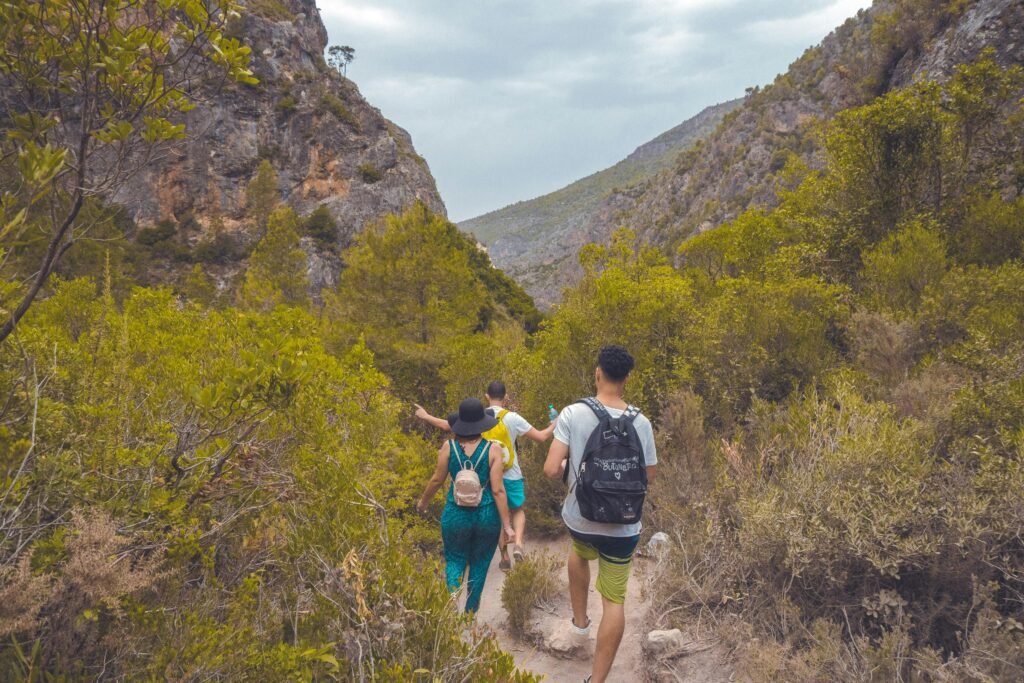
Morning
Leave Tangier in the morning and begin a scenic drive toward Akchour, passing rolling hills, small villages, and lush landscapes as you head into the Rif Mountains. The journey itself is part of the experience, offering a peaceful contrast to the coastal cities.
Transport :
- Car or private driver (recommended)
⏱️ ~3 hours - Take CTM Bus to Chefchaouen , then head to the Grand Taxi stand near Place Mohammed V (next to the police station/Post Office)
- Total Cost: (~$15 USD). ⏱️ ~5 hours
Arrive in Akchour, check into your guesthouse, and prepare for a day immersed in nature.
Afternoon
Spend the afternoon exploring Akchour’s natural beauty, known for its clear rivers, waterfalls, and walking trails. Choose a leisurely hike toward the Akchour waterfalls, stopping along the way to rest by the water or enjoy a refreshing mint tea, fresh orange juice, or even a simple tagine at one of the small cafés scattered along the trail. This is not a rushed hike—go at your own pace, enjoy the fresh mountain air, and take in the calm surroundings. If you prefer, you can simply relax near the river instead of hiking all the way to the waterfalls.
Evening
Return to your accommodation for a quiet, relaxing evening. Enjoy a simple local dinner—often tagine or grilled meats—served in your guesthouse or a nearby restaurant.
Take the evening to unwind, listen to the sounds of nature, and enjoy the slower rhythm of mountain life.
Where to Stay in Akchour
Hotel/Neighborhood Tip: For easy access to Akchour’s natural beauty, waterfalls, and hiking trails, stay near the Akchour village area or close to the trailheads to the God’s Bridge and Akchour Waterfalls. Accommodation options here are mostly charming guesthouses and mountain lodges,offering a peaceful, rustic atmosphere and quick access to the scenic paths without long drives.
Hotel options across budgets:
- Budget‑Friendly: Stay close to Akchour’s stunning trails without stretching your budget. Hotel Nabil offers simple, comfortable rooms and warm hospitality right where you want to be for exploring the waterfalls and God’s Bridge. Guesthouse Rueda is another cozy budget choice that delivers great value and easy access to the hiking paths just 14 minutes drive to Akchour waterfall trail start— perfect for nature lovers and adventurers on a budget.
- Mid‑Range: For a bit more comfort after a long day of hiking, Habti lodge blends relaxed mountain charm with good amenities and proximity to Akchour’s most scenic spots — a smart choice for those who want comfort without luxury prices.
- Luxury: Treat yourself to an elevated mountain‑retreat experience at Ermitage Guesthouse , where refined rooms, beautiful natural surroundings, and attentive service create a peaceful escape after exploring Akchour’s waterfalls and trails.
Option 2 : Tangier → Chefchaouen
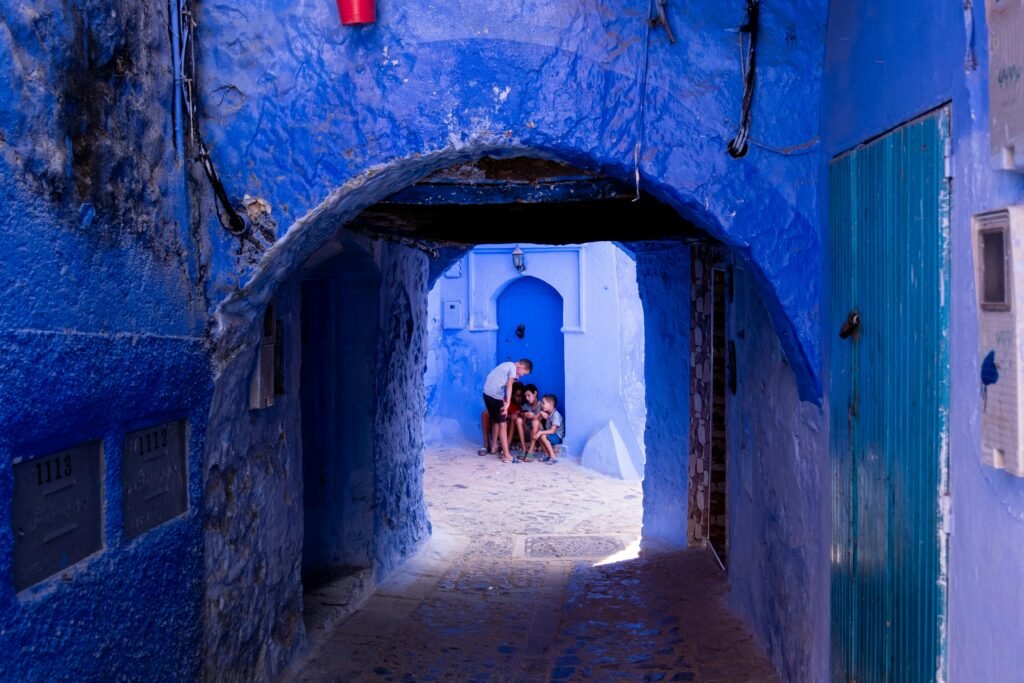
Morning
Leave Tangier in the morning and begin your scenic drive toward Chefchaouen, winding through the Rif Mountains with rolling hills, small villages, and lush landscapes along the way. The journey is part of the experience, offering a peaceful contrast to the coastal city.
Transport :
- CTM Bus ⏱️ ~2.5–3 hours (~$10 USD)
- Car or private driver (recommended)
- 🚗 Grand taxi is possible, but a private car gives more flexibility and comfort
Arrive in Chefchaouen, check into your riad or guesthouse, and get ready to explore the city.
Afternoon
Arrive in Chefchaouen and check into your riad or guesthouse.
Spend the afternoon falling in love with the Blue Pearl. Start at Plaza Uta el-Hammam, the heart of Chefchaouen, where you can admire the historic Kasbah and soak in the lively atmosphere of the main square. From here, wander through the medina’s iconic blue-painted streets and browse charming artisan shops selling local crafts.
Next, take a short walk to Ras El Maa Waterfall, just minutes from the medina. Here, you can relax by the refreshing cascades and even enjoy a glass of mint tea while listening to the soothing sound of the water—a perfect moment of calm. From Ras El Maa, follow the easy, well-marked path leading up to the Spanish Mosque, making it simple to combine nature and panoramic views in one scenic stroll.
As sunset approaches, reach the Spanish Mosque and marvel at the sweeping views of Chefchaouen’s blue alleys framed by the Rif Mountains—an unforgettable, picture-perfect moment that captures the city’s magical charm.
With its vibrant streets, mountain scenery, and serene atmosphere, an afternoon in Chefchaouen truly feels like stepping into a real-life storybook.
Evening
Enjoy a traditional Moroccan dinner at your riad or a local restaurant, with specialties like tagine, couscous, or grilled meats.
Take the evening to soak in the peaceful mountain atmosphere, wander the quiet streets, and watch the city lights reflect off the blue walls—a magical end to your first day in Chefchaouen.
Where to Stay in Chefchaouen
Hotel/Neighborhood Tip: For convenient access to the best of Chefchaouen and easy sightseeing, base yourself in the Old Medina.
Hotel options across budgets:
- Budget-Friendly: Riad Sakura and Riad Molino Garden are perfectly located in the heart of the Medina, offering cozy comfort, authentic Moroccan charm, and excellent value for travelers on a budget.
- Mid-Range: Enjoy stylish stays with a local touch in Chefchaouen. Riad Nila offers a welcoming base inside the medina with stunning mountain views and easy access to the blue streets. Riad Chengli blends cozy comfort with vibrant local character and a rooftop terrace overlooking the medina. Iguana Azul provides a serene atmosphere and exceptional service—ideal for relaxing after exploring Chefchaouen’s iconic blue alleys and Rif Mountain scenery.
- Luxury: Indulge in the ultimate Chefchaouen experience at Lina Ryad & Spa or Taj Chefchaouen Luxury Hotel and Spa, where elegant interiors, top-notch service, breathtaking views, and a tranquil mountain-town setting create a truly unforgettable stay.
Recommended Tours & Experiences
- Moroccan Cooking Class with Market Visit : Join a hands-on Moroccan cooking experience starting with a visit to a local market to pick fresh ingredients, then learn to prepare an authentic couscous or tajine using traditional techniques. Finish by enjoying your beautifully plated dish with Moroccan tea and sweets while discovering the cultural stories behind every flavor.
- Chefchaouen Hidden Gems Tour with a Local Expert : Explore Chefchaouen with a passionate local guide who knows every photogenic corner and secret spot of the Blue City. Enjoy a fun, personalized tour filled with stories, culture, laughter, and unforgettable photo moments.
- Chefchaouen Like a Local: The Story Behind the Blue : Dive deeper than the blue walls—discover hidden artisan alleys, taste fresh oven-baked bread, and hear the real stories of Chefchaouen with a local guide born in the medina.A short, soulful tour that reveals the history, culture, and magic behind Morocco’s Blue Pearl. Book to live the city, not just see it.
- Akchour Hike to the Bridge of God : Hike through rivers, springs, and the beautiful Farda Gorge to reach the stunning Bridge of God in the Rif Mountains. Enjoy a refreshing swim and a fresh orange juice at the top, with a chance to spot Barbary macaques along the way.
- Akchour Waterfalls & Bridge of God Guided Adventure: A scenic escape from Chefchaouen into Talassemtane National Park, where your guide leads you through forest trails, streams, and pools to Akchour’s waterfalls and the iconic Bridge of God. Choose the route that suits your pace and enjoy unforgettable views before heading back with incredible photos and memories.
Day 6 – Akchour → Chefchaouen → Fes
If you chose option 1 on Day 5 , the itinerary below is yours .
Morning
Wake up to the calm of the Rif Mountains and enjoy a slow morning in Akchour. Take a short walk by the river, then sit down for breakfast surrounded by nature and try bissara, a traditional Moroccan fava bean soup often enjoyed in the morning. Soak in the peaceful atmosphere before hitting the road and continuing your journey.
Afternoon – Chefchaouen Stop (2–3 hours)
Leave Akchour and drive to Chefchaouen the famous blue city nestled in the mountains.
Transport:
- Akchour → Chefchaouen
⏱️ ~1 hour by car
Spend 2–3 hours exploring Chefchaouen’s blue medina, wandering through narrow, blue-washed streets, discovering hidden corners, and stopping often for photos—this is one of Morocco’s most photogenic towns. Make your way to Ras El Ma, where fresh mountain water flows into the town, and enjoy the lively yet peaceful atmosphere by the stream. Continue uphill toward the Spanish Mosque viewpoint, which offers beautiful panoramic views over the blue city and surrounding mountains. Keep the pace relaxed rather than rushed: stroll around Plaza Uta el-Hammam, browse small artisan shops, and soak in Chefchaouen’s calm, enchanting vibe before continuing your journey.
Evening
Continue your drive toward Fes, crossing varied landscapes as you head deeper into Morocco’s cultural heartland.
Transport:
- Chefchaouen → Fes
⏱️ ~4 hours by car
Arrive in Fes in the evening, check into your riad or hotel, and enjoy a well-deserved rest after a full travel day.
Where to Stay in Fes
Hotel/Neighborhood Tip: For easy access to Fes’s highlights and a truly immersive experience, base yourself in or near the Fes El Bali (Old Medina). This area puts you steps away from top attractions like Al-Qarawiyyin University, the tanneries, and the medina’s lively souks. It’s also well-connected with taxis and guided tour pick-up points, making sightseeing smooth and convenient.
Hotel options across budgets:
- Budget-Friendly: Riad Braya and Riad Hidaya offer excellent value right inside the Medina, combining authentic Moroccan charm with cozy, budget-friendly comfort—perfect for travelers who want atmosphere without the high price.
- Mid-Range: For stylish stays with traditional design and refreshing swimming pools, Riad Semlalia and Riad Jardin des Biehn are standout choices. Both are beautifully decorated, serene, and ideally located within the Medina for easy exploring.
- Luxury: For a truly unforgettable stay, Palais Amani and Riad Fes deliver exceptional luxury. Expect romantic atmospheres, refined Moroccan elegance, and premium service—ideal for travelers seeking the finest Fes has to offer.
Recommended Tours & Experiences
- From Fes to the Middle Atlas: Berber Culture & Nature Escape : Meet Berber families in real cave homes, wander through Ifrane and Azrou, and get up close with the endangered Barbary macaques. A perfect day trip mixing culture, nature, and unforgettable encounters — all starting from Fes.
- “Fes Day Trip: Volubilis, Moulay Idriss & Meknès Highlights”: Explore 2,000-year-old Roman ruins at Volubilis, soak in the panoramic views of Moulay Idriss, and wander the historic streets and monuments of Meknès. A full-day cultural journey from Fes packed with history, architecture, and unforgettable photo stops.
- “Fes Medina Walking Tour: Secrets & Souks” : Explore Fes’s historic medina with a local guide, wandering bustling souks, artisan workshops, and iconic sites like Bou Inania and Nejjarine. Discover the city’s rich culture, vibrant traditions, and hidden gems on this unforgettable walking tour.
- Fes Hammam & Moroccan Spa Ritual : Relax and rejuvenate with a traditional Moroccan hammam experience, including steam, exfoliation, and a soothing massage by skilled therapists. Leave feeling refreshed, radiant, and completely stress-free in a serene spa setting.
- “Fes Culinary Experience: Market to Medina Table” : Dive into Moroccan flavors with a hands-on cooking class in the heart of Fes, starting with a guided market tour to pick fresh ingredients. Learn traditional techniques, master local spices, and enjoy the meal you create in a warm, family-style setting.
- Fes Pottery Painting Experience : Get creative in Fes by painting your own traditional Moroccan pottery, guided by friendly local assistants. A fun, hands-on activity perfect for families, beginners, or anyone wanting a colorful, unique souvenir to take home.
Day 7 – Fes
Morning
Begin your day by diving into Fes el-Bali, a UNESCO World Heritage Site and one of the world’s largest and best-preserved medieval cities. Enter through Bab Bou Jeloud (the Blue Gate), the most iconic entrance to the medina.
Before exploring deeper, start with a traditional Fassi breakfast, and be sure to try khlii (preserved, spiced meat) served with eggs, warm bread, and olive oil — a local specialty that’s especially popular in Fes.
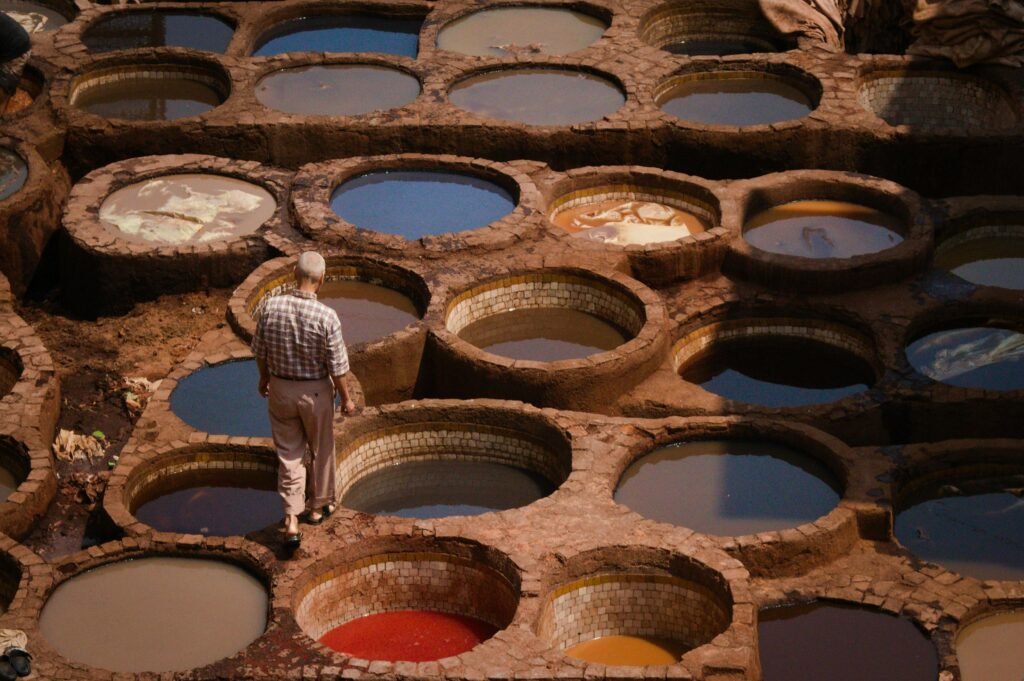
Head next to the Chouara Tannery, the largest and oldest tannery in the city. From one of the surrounding terraces, observe the colorful dye vats and learn about the centuries-old leather-making process that still defines Fes’s artisan heritage.
Afternoon
Continue your exploration with visits to Fes’s most important madrasas. Bou Inania Madrasa is a must-see for its exceptional zellige tilework, carved plaster, and cedar wood details. Nearby, Al-Attarine Madrasa offers a more intimate but equally beautiful architectural experience.
Stop by the Al-Quaraouiyine Mosque and University area, considered the oldest continuously operating university in the world. While non-Muslims cannot enter the mosque, the exterior views, doorways, and surrounding streets are well worth exploring.
Wander through the medina’s artisan quarters, including Nejjarine Square, home to the beautiful Nejjarine Fountain and the Nejjarine Museum of Wooden Arts and Crafts.
Enjoy lunch at a traditional restaurant inside the medina, and make sure to try pastilla, Fes’s signature dish — a delicate pastry combining spiced meat, almonds, cinnamon, and a touch of sweetness.
Evening
In the late evening, head to a panoramic viewpoint such as Borj Nord or Borj Sud for sweeping views over the medina as the sun sets and the city lights slowly come on.
Return to the medina or your riad for dinner and a relaxing evening after a full cultural day in Fes.
Day 8 – Fes → Midelt
Morning
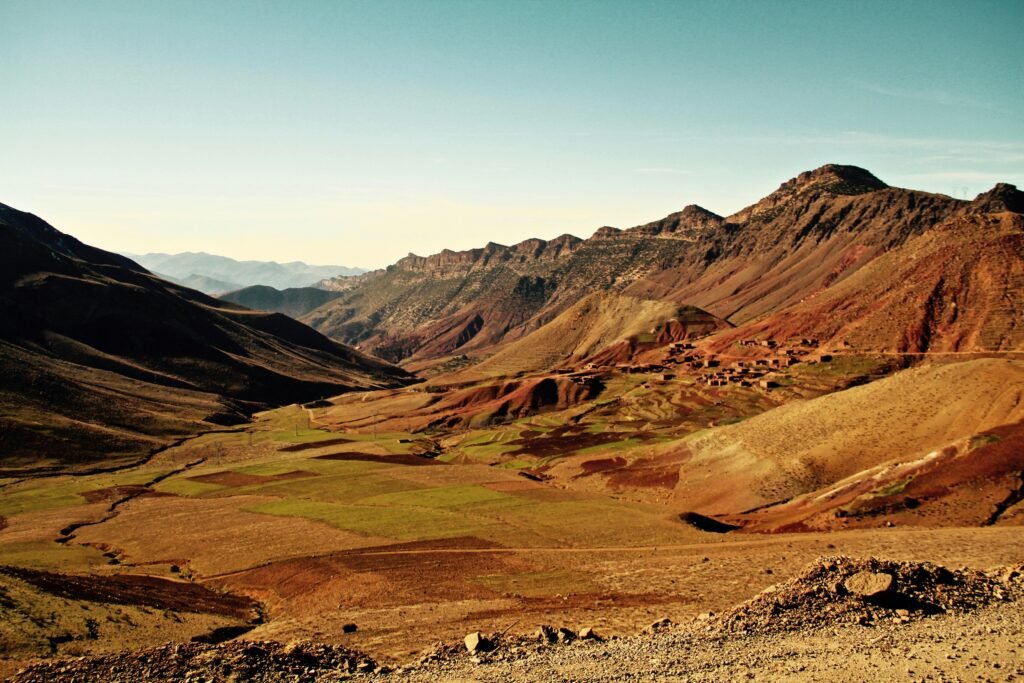
Leave Fes in the morning and begin your journey south into the Middle Atlas Mountains. The landscape gradually changes as you leave the city behind, with cooler air and wide mountain views setting the tone for the day.
Your first stop is Ifrane, often referred to as the “Switzerland of Morocco” thanks to its alpine-style architecture and clean, peaceful atmosphere. Take time to walk around the town center, photograph the famous Lion Statue, and enjoy a relaxed coffee or light breakfast in one of the local cafés.
Transport:
- Fes → Ifrane: ~1 hour 45 minutes by car
Late Morning
Continue toward the Cedar Forest of Azrou, one of the region’s natural highlights. Walk among towering cedar trees, enjoy the fresh mountain air, and keep an eye out for the Barbary macaques that inhabit the area. This is a great stop for photos and a short nature break before continuing the drive.
Afternoon
Drive onward toward Midelt, passing through open valleys and rugged mountain scenery that showcase the beauty of the Middle Atlas. Make occasional scenic stops along the way to stretch your legs and capture the views—this part of the drive is as memorable as the destination itself.
Arrive in Midelt by mid-to-late afternoon, allowing plenty of time to check in, rest, and enjoy the slower pace of this mountain town.
Transport:
- Ifrane → Midelt: ~3 hours 15 minutes by car
Evening
Enjoy a quiet evening in Midelt. Take a short walk around town, have dinner at your hotel or a local restaurant, and relax while taking in the cooler mountain air.
Where to Stay in Midelt
Hotel/Neighborhood Tip: For convenient access to Midelt’s natural surroundings and key attractions, stay near the city center or along the N13 route heading toward the mountains. These areas offer the easiest access to shops, cafés, and transportation while keeping you well-positioned for day trips to the Ayachi Mountain range, scenic gorges, and small Berber villages. You’ll also be close to main taxi and bus points, making it simple to continue your journey toward Merzouga or Fes.
Hotel options across budgets:
- Budget-Friendly: Safari Week-End Midelt offers simple comfort, friendly service, and great value—perfect for a budget-friendly overnight stay.
- Mid-Range: Moonrise Villa Midelt provides modern comfort and a cozy atmosphere right in town, while Oxygen Village (before Midelt) is a peaceful mountain stop with a calm and modern atmosphere.
- Luxury : La Pomme d’Or is Midelt’s top luxury pick, offering elegant rooms for a relaxing, high-end stay inside a villa with a swimming pool.
Day 9 – Midelt → Ziz Valley → Merzouga
Morning
Leave Midelt in the morning and continue your journey south toward the Sahara. As you descend from the mountains, the scenery shifts dramatically—rocky landscapes give way to lush oases and vast desert plains.
Your first major highlight is the Ziz Valley, one of Morocco’s most impressive oasis regions. Stop at panoramic viewpoints overlooking endless palm groves, winding riverbeds, and fortified villages scattered across the valley. Take time to enjoy the views and capture photos of this striking contrast between desert and greenery.
Transport:
- Midelt → Ziz Valley: ~2 hours 30 minutes by car
Afternoon
Continue driving through desert landscapes toward Merzouga, with occasional stops along the way to stretch your legs or enjoy the changing scenery. The closer you get, the more the golden sand dunes begin to appear on the horizon.
Aim to arrive in Merzouga in the late afternoon, allowing enough time to prepare for your desert experience.
Transport:
- Ziz Valley → Merzouga: ~2 hours 20 minutes by car
Evening
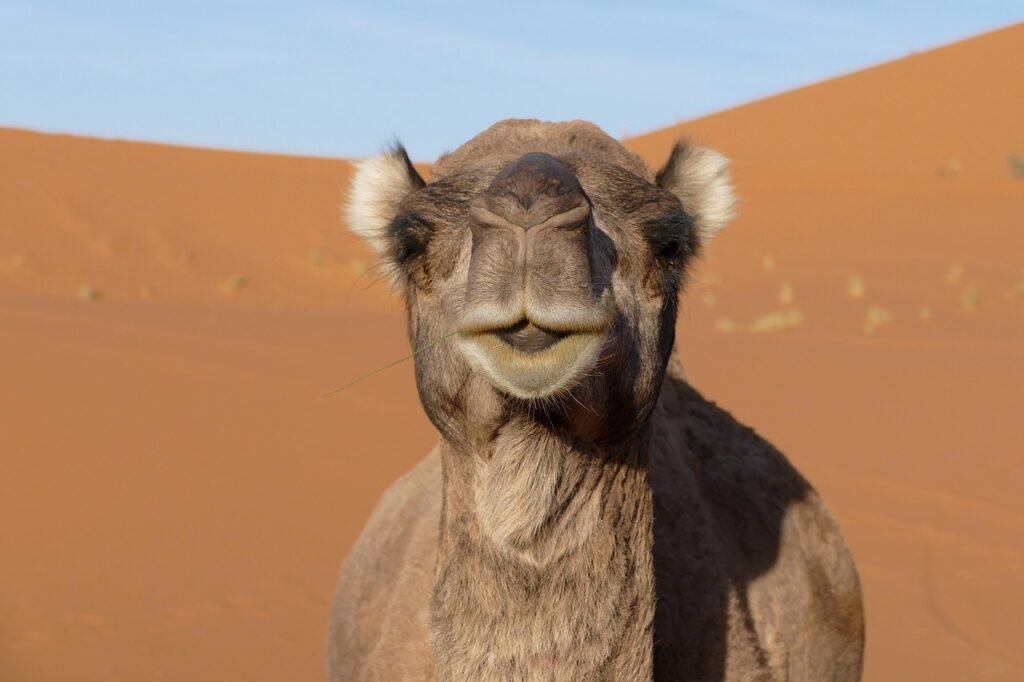
Arrive at your desert camp in Merzouga first to settle in and drop off your belongings. Then, set off on a camel trek into the dunes before sunset, riding across the sand as the colors shift from gold to deep orange—a truly unforgettable Sahara moment. Return to the camp after the trek, enjoy a traditional dinner under the stars, and relax by the campfire with local music and storytelling.
Where to Stay in Merzouga
Hotel/Neighborhood Tip: For the best desert experience, stay near Merzouga Village or along the Erg Chebbi dunes. These areas offer the easiest access to camel rides, sunrise/sunset viewpoints, and 4×4 excursions. Staying close to the dunes means you’re just steps from spectacular desert scenery, while the village area provides convenient access to cafés, small shops, tour pick-up points, and transportation.
Hotel options across budgets:
- Budget-Friendly: For an affordable and authentic desert experience near Merzouga, Bivouac Erg Znaigui and Overnight Camp Merzouga & Camel Tours are excellent options. Bivouac Erg Znaigui offers simple, comfortable desert‑style accommodation with basic amenities and local hospitality just outside the main Merzouga area, ideal for budget travelers who want an easy base near desert attractions. Overnight Camp Merzouga & Camel Tours provides a classic desert camp experience with easy access to camel rides, sunset views, and the Sahara’s unique atmosphere — all without the higher cost of premium desert lodges.
- Mid-Range: Enjoy a comfortable and memorable desert stay in Merzouga with these excellent mid‑range options. Desert Camp Amanar places you right by the Erg Chebbi dunes with authentic desert tent accommodation and easy access to camel rides and sunset views. Riad Les Jardins de Merzouga offers charming riad‑style rooms in the Hassilabied village, combining traditional Moroccan character with modern comfort near the dunes. For a slightly more boutique feel, Riad La Luna features stylish interiors, a lovely garden, and friendly service—perfect for relaxing after exploring the Sahara’s golden sands.
- Luxury: For an unforgettable desert experience in Merzouga, choose from top‑rated luxury options. Royal Luxury Camp places you amid elegant tents with premium amenities, personalized service, and panoramic views of the Erg Chebbi dunes—perfect for sunset camel treks and star‑filled nights. Hassilabiad Appart Hotel blends refined comfort with excellent hospitality in a stylish setting, ideal for relaxing before or after your desert adventure. For a sophisticated oasis surrounded by desert landscapes, Imperial Glory Lodges offers chic lodges, quality service, and immersive Sahara experiences, making it a standout choice for travelers seeking both luxury and authentic desert charm.
Recommended Tours & Experiences
- “Merzouga Desert Adventure: Camel Ride & Overnight in Erg Chebbi”: Ride camels across golden dunes, try sandboarding, and enjoy a traditional Berber dinner under the stars.Wake up to a breathtaking desert sunrise before heading back, making unforgettable memories in Morocco’s Erg Chebbi.
- “Luxury Desert Escape: Camel Ride & Private Tent in Erg Chebbi” : Experience Erg Chebbi with a camel ride, sandboarding, and a private tent with ensuite bathroom under the stars.Enjoy Berber tea, a traditional dinner, campfire drumming, and a magical sunrise before returning.
- Erg Chebbi Sunset & Sunrise Desert Adventure : Ride camels across golden dunes, enjoy a private tent with ensuite bathroom, and savor a traditional Berber dinner under the stars.Wake up to a stunning desert sunrise and choose a 4×4 or camel ride back with memories to last a lifetime.
Day 10 – Merzouga (Slow Desert Day)
Morning
Wake up early to watch the sunrise over the Erg Chebbi dunes, a magical moment as the desert lights up in shades of gold and pink. Take a short walk on the sand and enjoy the calm, cool atmosphere of the Sahara in the early morning light. After breakfast, you may have the chance to try camel milk, a traditional drink in the Sahara, before visiting Khamlia village, known for its rich Gnawa music traditions. Enjoy live performances by local musicians and learn about the cultural heritage of this unique desert community.
Late Morning (Optional – Summer Only)
For travelers visiting between late June and early September, consider an optional sand bathing (psammotherapy) experience. Under local supervision, the body is gently buried in naturally heated sand for a short period (usually 10–20 minutes). This traditional practice is believed to help relieve joint and muscle pain. Afterward, rest, hydrate well, and enjoy herbal tea.
Afternoon
Spend the afternoon exploring nearby nomad villages, meeting local families and learning about traditional desert life. For lunch, try Berber pizza (Medfouna)—a regional specialty made with flat dough stuffed with spiced meat, onions, and herbs, traditionally baked in the sand or a clay oven. Later, return to your lodge or desert camp to rest, relax by the pool if available, or simply enjoy the stillness of the Sahara.
Evening
Enjoy a traditional Moroccan dinner at your lodge or camp, followed by a peaceful evening under the stars.
Day 11 – Merzouga → Todra Gorge
Morning
Leave Merzouga in the morning and begin the scenic drive toward Todra Gorge, passing through the dramatic landscapes of the Eastern High Atlas. Along the way, stop at the Tinghir oasis, a lush area filled with date palms, small villages, and traditional kasbahs. Take a short stroll among the palm groves and enjoy the contrast between desert and greenery.
Transport:
- Merzouga → Todra Gorge: ~3 hours 45 minutes by car
Afternoon
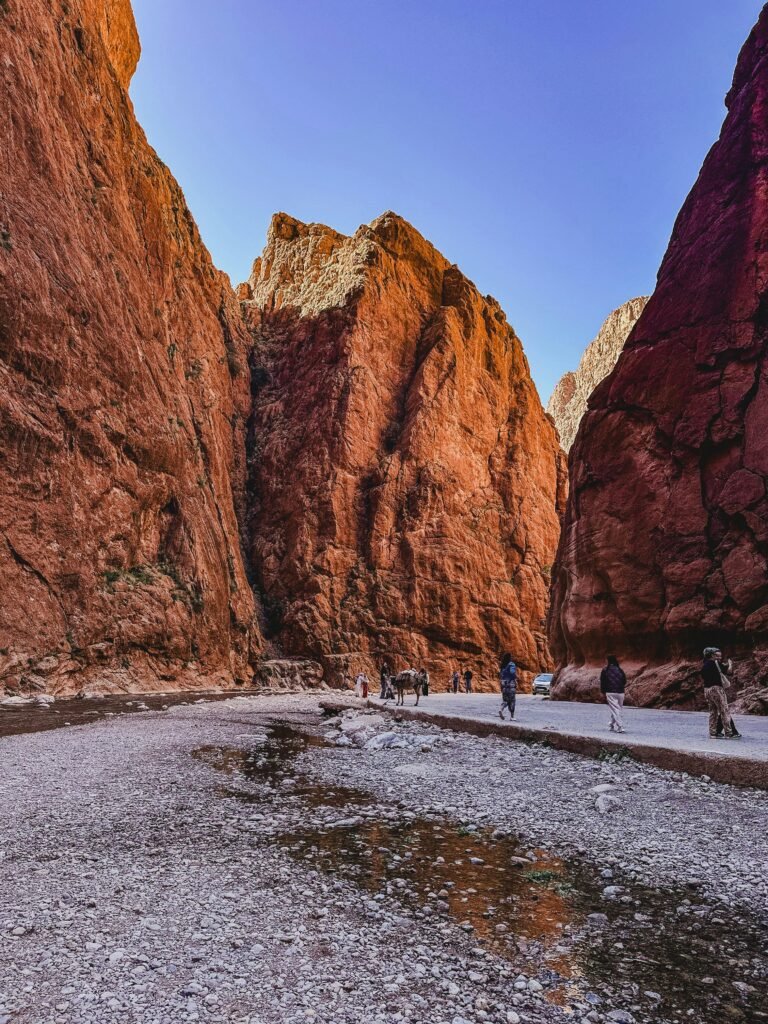
Arrive at Todra Gorge, one of Morocco’s most striking natural wonders. Walk along the canyon floor, admire the towering red cliffs, and explore the small pathways carved along the gorge. Take short hikes into side canyons, visit nearby Berber villages to see traditional homes and kasbahs, and stop at local cafés for mint tea or fresh juice. Photography enthusiasts will love capturing the dramatic cliffs, river reflections, and vibrant village life. For the adventurous, rock climbing is also an option with local guides.
Evening
Check into your riad or guesthouse either near the Todra Gorge or in nearby Tinghir, where traditional Moroccan décor and warm hospitality await. Enjoy a relaxed evening with dinner at your accommodation, sampling local dishes like tagine or couscous. Afterward, take a short stroll to admire the towering canyon walls in the fading light, or simply unwind on a terrace enjoying the peaceful mountain atmosphere before resting for the next day’s journey.
Where to Stay in Todra Gorge / Tinghir
Hotel/Neighborhood Tip: For the best Todra Gorge experience, stay close to the gorge entrance or in the nearby town of Tinghir. Accommodations right by the gorge give you easy access to early morning and late afternoon hikes along the canyon walls, stunning views and a quieter atmosphere once day‑trippers leave. Staying in Tinghir provides convenient access to restaurants, cafes, shops and tour pick‑up points, while still being just a short drive or walk from stunning canyon scenery and hiking routes.
Hotel options across budgets:
- Budget-Friendly: For a budget-friendly stay near the stunning Todgha Gorges, two great options stand out: My House is a welcoming and highly rated guesthouse in Tinghir with cozy rooms, terrace, pool and easy access to the Todra Valley — perfect for travelers seeking comfort and local charm without a high price tag. Meanwhile, Les jardins de Todgha offers simple yet comfortable rooms, a terrace and a restaurant, all at very affordable rates just steps from the Todgha Canyon, making it an excellent choice for nature lovers and explorers on a budget.
- Mid-Range: For a comfortable mid‑range stay near the Todra Gorge, La Petite Gorge offers cozy rooms with air‑conditioning and balconies, superb views of the valley and river, a well‑rated on‑site restaurant with Moroccan cuisine, free parking and easy access to hiking and outdoor activities — all with warm, family‑run hospitality just minutes from the gorge. Meanwhile, Maison d’Hôte Valentine provides a relaxed guesthouse experience in Tinghir with garden and landscape views, simple yet comfortable rooms and a welcoming atmosphere perfect for unwinding after exploring the dramatic Todra Valley.
- Luxury: For a luxury stay near the Todra Gorges, these two properties offer comfort, style and authentic Moroccan hospitality: Kasbah Petit Nomade is a beautifully restored boutique kasbah with spacious, well‑appointed rooms, a garden, pool and stunning views of the oasis and Atlas Mountains, plus warm family‑run service and delicious homemade meals — perfect for travelers seeking serenity and local character near the gorge. Riad Sephora provides an upscale riad experience in Tinghir with air‑conditioned, stylish rooms, a terrace and rooftop pool with scenic views, garden and on‑site dining, all just a short walk from the Todra Gorge — ideal for couples or discerning explorers who want luxury and convenience in one place.
Day 12 – Todra → Ait Ben Haddou → Marrakech
Morning
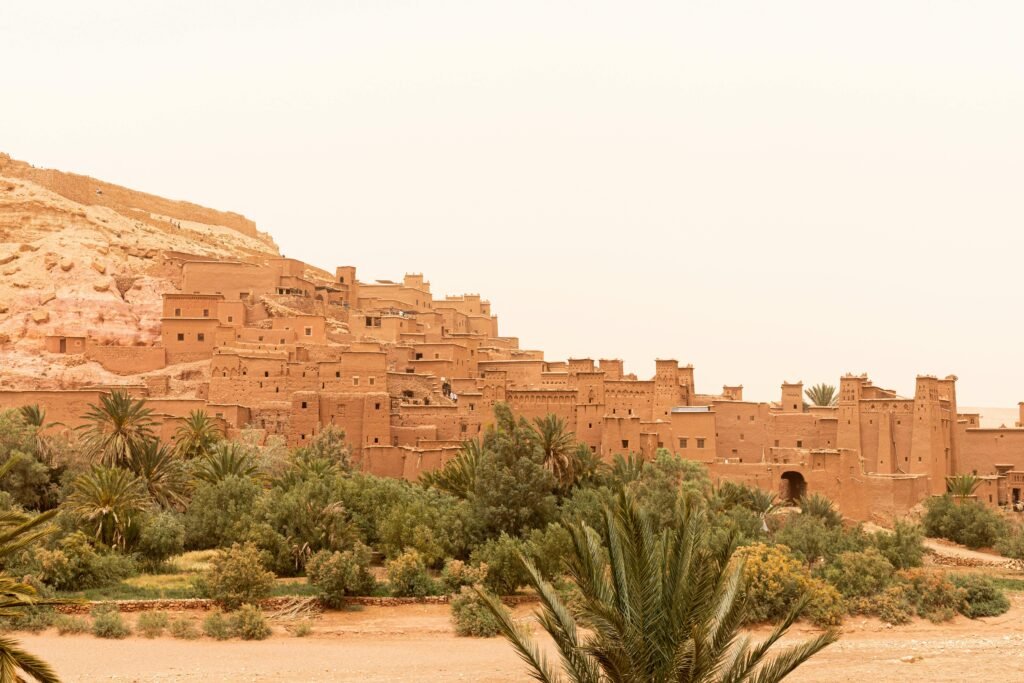
Leave Todra Gorge and drive through the spectacular Dades Valley, known as the “Valley of a Thousand Kasbahs.” Admire the rugged cliffs, winding river valleys, and clusters of ancient kasbahs scattered along the route. Take your time to stop at viewpoints for photos and to soak in the dramatic landscape as you continue your journey toward Ait Benhaddou.
Transport:
- Todra Gorge → Ait Ben Haddou: ~4 hours by car
Afternoon
Arrive at Ait Ben Haddou, the iconic fortified village and UNESCO World Heritage Site. Take a short visit to explore the ksar’s kasbahs, narrow streets, and historic architecture, which have made this site famous in films and photography. Walk up to the hilltop paths and the old granary for panoramic views of the surrounding desert plains and the Atlas Mountains—perfect for photos, especially in the late afternoon light. Meet local residents or browse handcrafted Berber pottery, carpets, and jewelry from nearby artisans to connect with traditional life. Afterward, continue your journey across the High Atlas Mountains, enjoying winding roads, snow-capped peaks (in winter), and stunning mountain scenery en route to Marrakech.
Transport:
- Ait Ben Haddou → Marrakech: ~3 hours 45 minutes by car
Evening
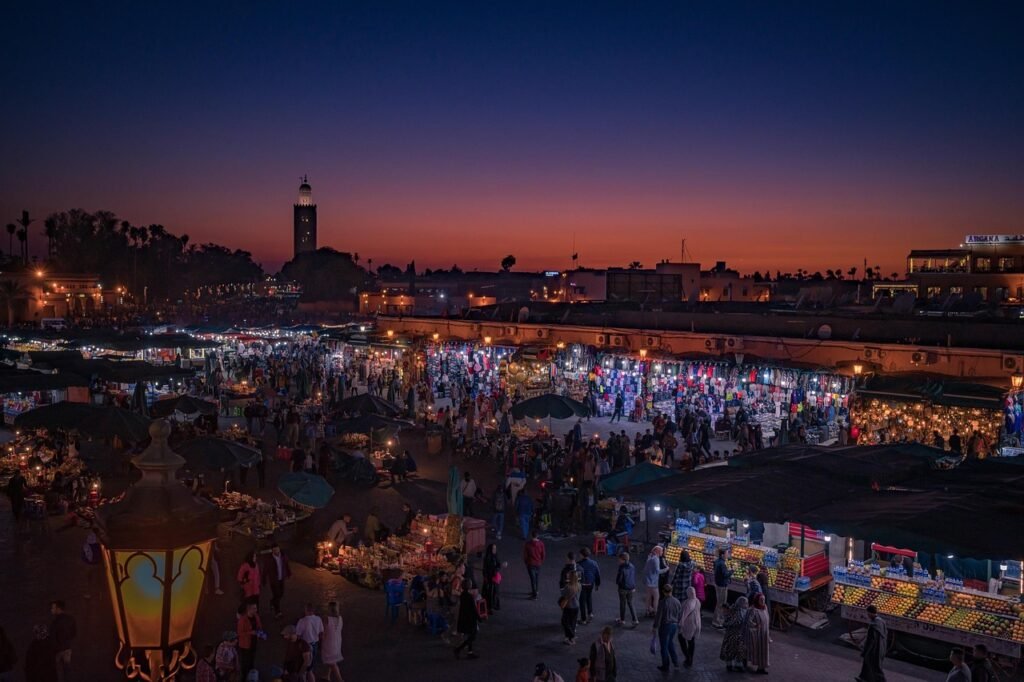
Arrive in Marrakech in the evening and head straight to Jemaa el-Fna, the city’s famous square. Experience the vibrant night atmosphere—street performers, storytellers, and lively crowds creating a truly unforgettable introduction to Marrakech. Sample local street food from the stalls: try grilled skewers (brochettes), spicy harira soup, snail soup, fresh orange juice, and Moroccan pastries. For something more substantial, taste traditional Moroccan dishes like lamb or chicken tagine, couscous, or zaalouk at one of the nearby rooftop cafés overlooking the square. Check into your hotel or riad afterward and relax after a long but scenic travel day.
Where to Stay in Marrakech
Hotel/Neighborhood Tip: For the best experience in Marrakech, choose between three distinct neighborhoods based on your preferences. The Medina offers an authentic Moroccan experience, with its narrow alleys, vibrant souks, and historic riads, placing you in the heart of the city’s culture. If you prefer a more modern feel, Gueliz, the New Town, has wide boulevards, trendy cafes, shopping, and art galleries, offering a blend of contemporary vibes and easy access to the Medina. For those seeking luxury and relaxation, Hivernage boasts upscale hotels, stylish restaurants, and a peaceful atmosphere, all while being close to the city’s key attractions. Each neighborhood offers something unique, whether you’re after tradition, modern comforts, or a more luxurious stay.
Hotel options across budgets:
- Budget-Friendly: Riad Dar Saba Shika and Hostel Amour d’Auberge offer budget-friendly options but with different experiences. Riad Dar Saba Shika is a traditional Moroccan riad in the heart of the Medina, providing a peaceful, private retreat with cozy rooms and a serene atmosphere—perfect for couples or solo travelers seeking authenticity and a quiet space. On the other hand, Hostel Amour d’Auberge caters to backpackers and solo travelers with its lively, social vibe. Offering shared rooms and common areas, it’s ideal for those wanting to meet other travelers while staying in a budget-friendly, communal environment near major tourist attractions.
- Mid-Range: Riad Al Badia and The Little Hara are fantastic mid-range options for travelers looking to experience the charm of Marrakech without breaking the bank. Riad Al Badia offers a traditional Moroccan atmosphere with stylish rooms, a beautiful courtyard, and an inviting pool. It’s a peaceful oasis in the Medina, perfect for those seeking comfort, authentic décor, and a relaxing environment after a day of exploring the city. The Little Hara, located near the vibrant heart of the Medina, provides a modern yet traditional twist, with bright, cozy rooms and personalized service. It’s a great choice for travelers who enjoy a blend of comfort, local character, and proximity to the city’s bustling attractions.
- Luxury: For a truly luxurious stay in Marrakech, La Mamounia and Les Jardins de La Koutoubia stand out as top-tier choices. La Mamounia is an iconic, five-star palace hotel renowned for its impeccable service, opulent Moroccan design, lush gardens, and world-class amenities, including a spa, gourmet dining, and exclusive pools. It offers a level of elegance and sophistication that few can match, making it a favorite for discerning travelers. Similarly, Les Jardins de La Koutoubia, situated just steps from the Koutoubia Mosque, offers a perfect blend of luxury, comfort, and location. With its stunning rooftop views, elegant rooms, exquisite dining, and a luxurious spa, it provides an unforgettable experience for those seeking refined indulgence and prime access to the heart of Marrakech.
Recommended Tours & Experiences
In Dades Gorge
- Dades Gorge & Monkey Fingers Hike : Hike through stunning Dades Gorge to the iconic “Monkey Fingers” rock formations with a local guide.Explore Berber villages, lush river fields, and uncover the legends and culture of the region in just 3 hours.
In Marrakech
- “Agafay Desert Adventure: Quad, Camel & Sunset” : Feel the thrill on a quad ride, enjoy a serene camel trek at sunset, and savor a traditional Berber dinner under the stars.Experience Morocco’s rugged beauty and vibrant culture just outside Marrakech in one unforgettable evening.
- Sunrise Hot Air Balloon Over the Atlas Mountains : Soar above the Atlas Mountains at sunrise, admire Berber villages and valleys, and capture breathtaking views.Enjoy a continental breakfast before takeoff and a traditional Berber breakfast upon landing for the ultimate Moroccan adventure.
- Marrakech Medina & Monuments Tour : Explore Marrakech’s vibrant souks, hidden alleys, and iconic landmarks like the Koutoubia Mosque, Bahia Palace, and Saadian Tombs.Discover centuries of culture, architecture, and artisan crafts on this unforgettable guided walking tour.
- Ourika Valley & Atlas Mountains Day Trip : Escape Marrakech for stunning Atlas views, visit a women-led argan cooperative, and hike to the breathtaking Setti Fatma waterfalls.Experience Berber culture, scenic landscapes, and serene mountain vibes in one unforgettable day.
- Marrakech Medina & Hidden Gems Tour : Explore Marrakech’s bustling souks, historic Bahia Palace, and secret gardens with a local guide.Discover artisan crafts, Moroccan history, and vibrant market life in one unforgettable walk.
- Marrakech Medina & Secret Treasures Tour : Explore the magic of Marrakech with a local guide—Ben Youssef Medersa, bustling souks, and hidden gardens await. Discover Moroccan craftsmanship, vibrant markets, and centuries of history in one unforgettable walk.
Day 13 – Marrakech (Full Day)
Morning
Begin your day at the Bahia Palace, a 19th-century masterpiece known for its intricate tilework, carved cedar wood, and beautifully landscaped gardens. Wander through the palace’s lavish rooms and courtyards, soaking in the grandeur of Moroccan architecture.
Next, visit the Badi Palace, the ruins of a once-grand 16th-century palace built by Sultan Ahmad al-Mansur. Explore the vast open courtyards, admire the remnants of intricate decorations, and imagine the opulence of its heyday.
Continue to the Saadian Tombs, a hidden gem rediscovered in the early 20th century. Admire the detailed mosaics and learn about the Saadian dynasty’s history as you explore this serene burial site.
Transport:
- Walking or petit taxi between sites (~5–10 min)
Afternoon
Step outside to see the Koutoubia Mosque from the exterior, one of Marrakech’s most iconic landmarks. Its towering 77-meter minaret, built in the 12th century, dominates the skyline and is a classic example of Almohad architecture with intricate arches, carved details, and a subtle but elegant design. The mosque is still active, so non-Muslim visitors can only admire it from the outside, but the surrounding gardens and plazas provide a pleasant space to stroll and take photos.
Then explore the souks of the medina (Souk Semmarine, Souk Ableuh, spice market), a vibrant labyrinth of alleys filled with spices, textiles, ceramics, jewelry, and handicrafts. Browse the different souk areas, haggle for unique souvenirs, and watch artisans at work. For lunch, stop at Tanjia Secrets, a local favorite renowned for its authentic Marrakech tanjia, slow-cooked to perfection and served with traditional bread and sides — a perfect way to experience the city’s signature dish in the heart of the Medina.
Transport:
- Walking through the medina; petit taxis available for longer hops (~5–10 min)
Evening
Finish the day with a traditional hammam for a Moroccan bath and massage, or enjoy a rooftop dinner overlooking Jemaa el-Fna, soaking in the lively atmosphere as the city lights come on.
Day 14 – Departure Day
Morning
On your final day, enjoy a relaxed morning. Take your time packing and savoring your last moments in Morocco.
If your flight departs from Marrakech, consider a short visit to Majorelle Garden, the vibrant botanical garden famously owned by Yves Saint Laurent. Stroll among the colorful plants and serene pathways for a peaceful farewell to the city before heading to the airport.
If you are departing from Casablanca, use the day to travel there calmly, without sightseeing planned, ensuring you arrive with plenty of time for your flight.
Transport:
Option A: Hotel → Marrakech Menara Airport (RAK)
- Grand Taxi: ~ $10–$15 USD one way, ~ 15–20 min to central areas (Medina/Jemaa el-Fna/Gueliz). Prices vary by time of day; night may be slightly higher.
- Bus No. 19 (ALSA Shuttle): ~ $3 USD one way, ~ 30–40 min to central Marrakech. Runs roughly every 20–30 min from early morning to evening; luggage and stops may slow you slightly.
- Private Transfer: ~ $15–$25 USDone way, ~ 15–20 min to city. Pre-booked, fixed price, direct door-to-door service — ideal with luggage or late arrivals.
Best stress-free choice: Book a Welcome Pickups service for a fixed price, meet-and-greet, flight monitoring, and professional driver — perfect after a long flight or if you want a smooth arrival without negotiating or surprises.
Option B: Marrakech → Casablanca airport (approx. 4–5,5 hours by car/train)
Conclusion
Following this Morocco 2 week itinerary will give you a well-balanced experience, especially if it’s your first visit. You’ll explore all the country’s main regions—the center, the north, the Atlas Mountains, the desert, and end your journey in Marrakech.
Morocco is an excellent choice for discovering Africa for the first time, thanks to its solid infrastructure and the warmth and multilingual nature of its people. All that’s left is to immerse yourself in the culture, savor the incredible Moroccan cuisine, and create unforgettable memories.
Save this Morocco travel itinerary for later, and tell me—what’s the first experience in Morocco you can’t wait to try?
Thanks for ones marvelous posting! I genuinely enjoyed reading it, you’re a great author.I will always bookmark your blog and will often come back at some point. I want to encourage you continue your great posts, have a nice weekend!
Thank you so much for your support! It means a lot 🙂