
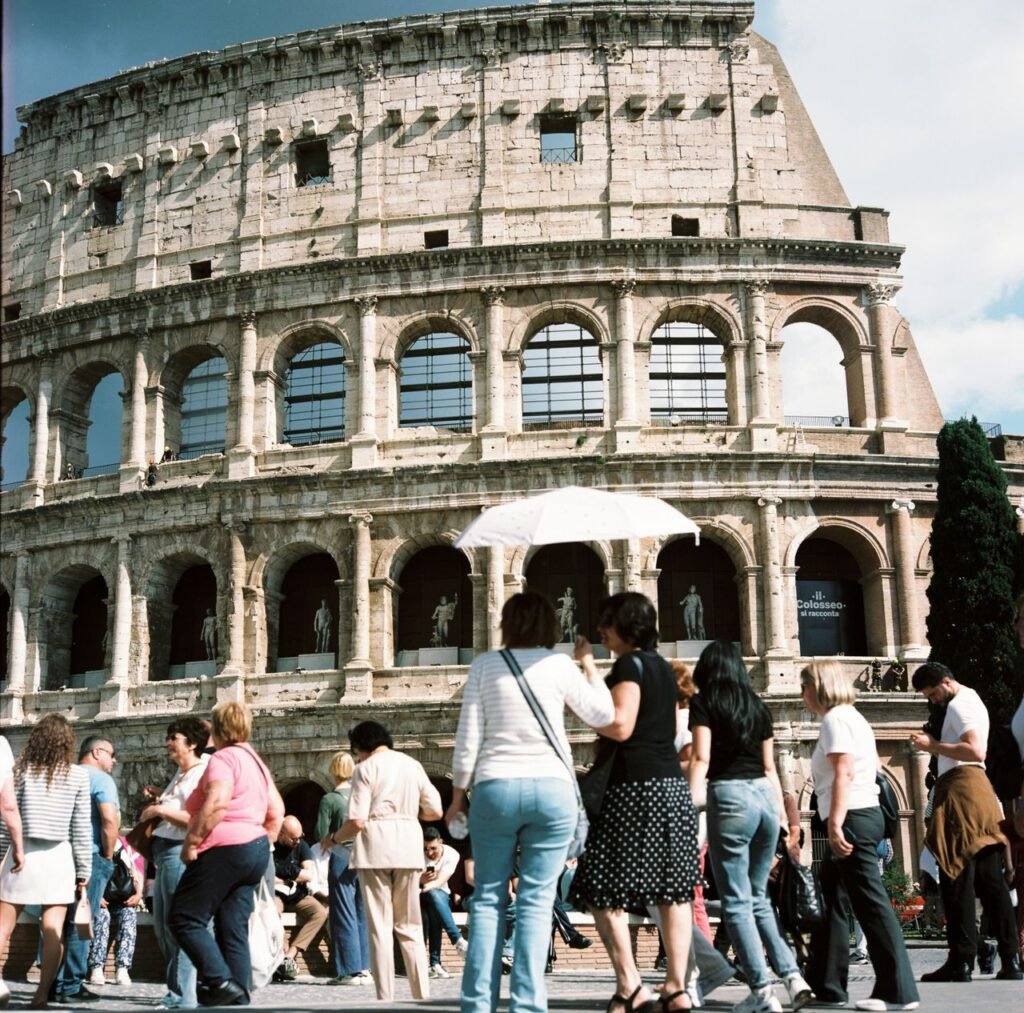
Italy is a dream destination for a reason. With its rich history, incredible food, beautiful cities, and unforgettable landscapes, there’s something to love around every corner.
But let’s be realistic: 5 days in Italy isn’t enough to see it all. Instead of trying to squeeze in too much, focus on the experiences that matter most to you and enjoy a slower, more rewarding trip.
To help you plan, I’ve created four carefully balanced 5-day Italy itineraries, each designed for a different travel style:
The Four 5-Day Italy Itineraries:
Option 1: The Perfect 5 Days in Rome Itinerary — Spend 5 days in Rome and immerse yourself fully in the Eternal City, blending iconic monuments with Rome’s best-kept local secrets.
Option 2: The Rome & Florence Culture Explorer — Combine the historic heart of Italy with the artistic magic of the Renaissance for the perfect cultural mix.
Option 3: From Rome Antiquity to Venice Canals — Journey from the ancient monuments of the Empire straight into the romantic atmosphere of Venice.
Option 4: Rome Highlights & The Amalfi Coast Escape — Match the grand history of Rome with the sun-drenched cliffs, sea views, and charm of Positano and Capri.
Beyond the daily routes, this guide delivers practical transportation tips, handpicked hotels for every budget, top local eats, and curated tours to maximize your time in every city.
If you can extend your trip, you’ll love my two-week Italy itinerary ,10-day Italy itinerary and 7 day Italy itinerary . These guides offer flexible route variations to help you see even more of the country.
Some links in this guide are affiliate links, meaning I earn a small commission if you book through them—with absolutely no additional charges to you. Your support keeps this site running and allows me to create detailed, free travel guides. Thank you for your support, and I hope this 5-day Italy itinerary helps you plan an unforgettable trip!
Quick Facts About Traveling to Italy
- Best time to visit Italy: Spring (April–June) and autumn (September–October) are generally the best seasons for sightseeing, offering pleasant weather and fewer crowds than the peak summer months. Summer is ideal for beach and island destinations, but expect hotter temperatures, larger crowds, and higher prices.
- Official language: Italian is the official language. English is widely spoken or understood in major tourist destinations, hotels, and many restaurants, especially in larger cities.
- Currency: Italy uses the Euro (€ / EUR). Before your trip, check the current exchange rate and compare your bank’s foreign transaction and cash withdrawal fees to avoid unnecessary costs.
- Is Italy safe for tourists? Yes. Italy is generally a safe destination for travelers. However, petty theft and pickpocketing can occur in crowded tourist areas, train stations, and on public transportation. Keep your valuables secure and remain particularly alert in busy areas.
- Main religion: Roman Catholicism has historically been the dominant religion in Italy and continues to play an important role in the country’s cultural and historical identity. Its influence can be seen throughout Italy’s art, architecture, traditions, and historic landmarks.
- Ideal trip duration: For a first visit, 10–14 days is ideal for exploring several of Italy’s major highlights without rushing. If you only have 5 days, it’s better to focus on one well-planned route rather than trying to see too much.
- Italy travel budget: Italy offers options for a wide range of budgets, from budget-friendly accommodation and casual restaurants to luxury hotels and fine dining. Booking flights, accommodation, and high-speed train tickets in advance can help you find better prices, particularly during peak travel periods. For general cost estimates, see Cost of Living in Italy.
Must-Try Foods in Italy
Italian cuisine is world-renowned and an essential part of the travel experience. Each region has its own culinary traditions, ingredients, and specialties, making food one of the best ways to experience Italy’s diverse culture. On your first trip, be sure to try these iconic dishes and drinks:
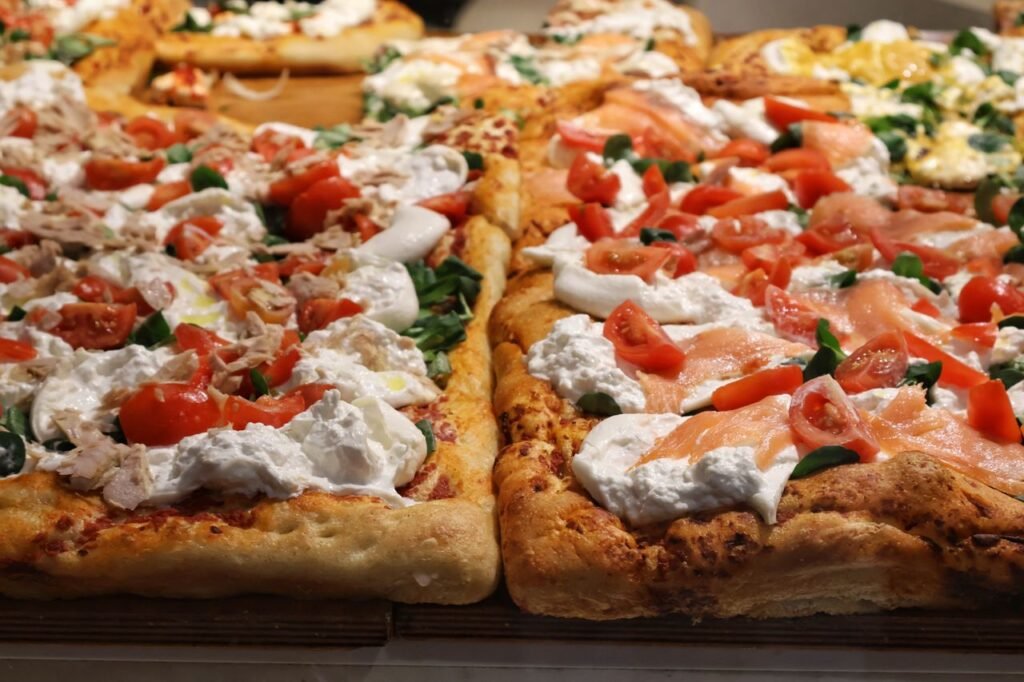
- Pizza Napoletana: One of Naples’ most famous culinary traditions, this classic pizza is characterized by its soft, airy crust and simple, high-quality ingredients, traditionally including tomatoes, fresh mozzarella, basil, and extra-virgin olive oil.
- Fresh Pasta: Handmade pasta comes in countless regional varieties and is a must-try throughout Italy. Look for Carbonara or Cacio e Pepe in Rome, Tagliatelle al Ragù in Bologna, and Pasta al Pesto in Liguria.
- Risotto: A creamy rice dish prepared by slowly cooking the rice with broth, risotto is a staple of northern Italian cuisine. One of the most famous versions is Risotto alla Milanese, known for its distinctive golden color and delicate saffron flavor.
- Lasagna: A classic Italian comfort food made with layers of pasta, rich ragù, béchamel, and grated Parmesan, then baked until golden and bubbling.
- Gelato: No trip to Italy is complete without trying gelato. Visit a quality artisanal gelateria and sample classic flavors such as pistachio, hazelnut, stracciatella, chocolate, or lemon.
- Arancini: These popular Sicilian street-food specialties are crispy, golden rice balls traditionally filled with ingredients such as ragù, mozzarella, or other regional combinations. They’re perfect for a quick lunch or snack.
- Tiramisù: One of Italy’s most famous desserts, made with coffee-soaked ladyfingers layered with mascarpone cream and finished with cocoa powder.
- Cannoli: A classic Sicilian dessert featuring crisp, fried pastry shells filled with sweetened ricotta. They’re often finished with pistachios, chocolate, or candied fruit.
- Espresso: Coffee is an important part of everyday life in Italy. For a more local experience, order an espresso al banco (at the bar) and enjoy it standing at the counter.
- Focaccia: This soft, olive-oil-rich flatbread is especially associated with Liguria. It can be enjoyed simply with sea salt and rosemary or topped with ingredients such as olives, onions, tomatoes, or cheese, making it an easy snack while exploring.
How to Get to Italy
If you’re planning a 5-day Italy itinerary, one of the first decisions to make is where to fly. Italy has several major international airports, but the best one for your trip depends largely on the region you plan to visit first. The main gateways are Rome Fiumicino (FCO), Milan Malpensa (MXP), Venice Marco Polo (VCE), and Naples International Airport (NAP).
- Rome: The best overall gateway for most first-time visitors, with extensive international connections and excellent rail links to other parts of the country. Rome is a convenient starting point for itineraries that continue to Florence, Venice, the Amalfi Coast, and other destinations in central and southern Italy.
- Milan: A good choice for exploring northern Italy, particularly if you plan to visit Lake Como, the Italian Alps, Turin, or the surrounding regions. Milan is also one of Italy’s largest international aviation hubs, with connections to destinations worldwide.
- Venice: Ideal for itineraries focused on northeastern Italy. Venice Marco Polo Airport provides convenient access to Venice and works well as a starting point for trips that include the Dolomites, Verona, or other destinations in the Veneto region.
- Naples: The most convenient gateway for southern Italy, especially if your itinerary focuses on the Amalfi Coast, Pompeii, Capri, or the Sorrento Peninsula. Flying directly into Naples can save considerable travel time compared with arriving in Rome and then continuing south.
For 5 days in Italy, you don’t necessarily need to fly in and out of the same city. If your itinerary follows a one-way route, consider booking a multi-city (open-jaw) flight—for example, flying into Rome and departing from Venice. This can eliminate unnecessary backtracking and give you more time to explore.
Italy is well connected by air from Europe, North America, the Middle East, and Asia. Once you arrive, the country’s extensive high-speed rail network makes traveling between major cities relatively easy. Choosing your arrival and departure airports based on your itinerary can therefore make a significant difference, especially on a shorter 5-day trip to Italy.
How to Get Around Italy
Getting around Italy is relatively easy thanks to its extensive transportation network. Depending on your itinerary, you can travel by high-speed train, regional train, bus, ferry, domestic flight, or rental car.
For most 5-day Italy itineraries, trains are the easiest and most efficient way to travel between major cities. High-speed rail connects destinations such as Rome, Florence, Milan, Venice, Bologna, and Naples, while regional trains and buses are useful for smaller towns and local journeys.
A rental car is more useful for exploring rural areas and regions where public transportation is less convenient, such as Tuscany, Puglia, the Dolomites, or parts of Sicily. For many trips, combining high-speed trains with local transportation—and renting a car only when necessary—offers the best balance of convenience and flexibility.
1. High-Speed & Regional Trains
Italy’s extensive railway network is one of the easiest ways to travel around the country, particularly between major cities. For most city-to-city journeys, trains are faster and more convenient than driving.
- Two main operators: Italy’s high-speed rail network is primarily served by Trenitalia, the national railway company, and Italo, a private high-speed operator. Both offer modern, comfortable trains connecting many of Italy’s major cities.
- High-speed trains: Trenitalia’s Frecciarossa and Italo trains connect destinations including Turin, Milan, Bologna, Florence, Rome, Naples, and Venice, with top speeds of up to 300 km/h (186 mph). For example, high-speed trains can take you from Florence to Rome in around 1 hour 30 minutes.
- Regional trains: Trenitalia’s Regionale services connect smaller cities, towns, and countryside destinations. They’re particularly useful for shorter journeys where high-speed rail is not available.
- Booking tickets: High-speed fares can increase as the departure date approaches, so booking ahead is often worthwhile if your schedule is fixed. Regional fares are generally more standardized and can usually be purchased shortly before departure.
Important: If you buy a traditional paper regional train ticket, check whether it needs to be validated before boarding. Tickets that require validation must be stamped in the designated machines at the station before you board. Digital tickets generally do not require this step.
2. Rental Cars
A rental car can be a good choice when your itinerary takes you through Tuscany, Umbria, the Dolomites, Puglia, or rural Sicily, where public transportation can be less frequent or less convenient. Having a car also gives you greater flexibility to visit small villages, viewpoints, and countryside attractions.
- Driving rules: Italy drives on the right-hand side of the road. Most Autostrade (motorways) are toll roads, with charges generally based on the distance traveled.
- Driving requirements: Depending on your nationality and the license you hold, you may need an International Driving Permit (IDP) in addition to your valid national driving license. Check the current requirements before your trip.
- ZTL zones: Many historic city centers, including areas of Florence, Rome, and Pisa, have Zona a Traffico Limitato (ZTL) areas where vehicle access is restricted. Cameras monitor these zones, and entering without authorization can result in a fine. If you’re staying at a hotel inside or near a ZTL, check its instructions before driving there.
- Rental companies: Major companies such as Avis, Hertz, Europcar, and Sixt operate at many Italian airports and transport hubs. One-way rentals are available on many routes, although additional fees may apply.
Tip: Avoid renting a car simply to travel between Italy’s major cities. Parking, traffic, tolls, and ZTL restrictions can make driving less convenient than taking the train.
3. Domestic Flights
For most journeys between major cities on mainland Italy, high-speed trains are generally more convenient than flying. However, domestic flights can make sense for Sicily, Sardinia, or longer journeys where rail travel would take significantly more time.
- When to fly: Consider flying when traveling between the mainland and Sicily or Sardinia, or when covering a long distance where the train journey would take most of the day.
- Airlines: Depending on the route and season, domestic services are operated by airlines including ITA Airways, Ryanair, EasyJet, Wizz Air, and Aeroitalia. Compare schedules and fares carefully using Trip.com, as baggage allowances and airport locations can vary.
- Airport transfers: If you’re arriving late, traveling with heavy luggage, or simply prefer door-to-door transportation, booking an airport transfer in advance can be convenient. Welcome Pickups is one option to consider.
4. Ferries & Coastal Boats
Ferries and passenger boats are an important part of travel in several parts of Italy, particularly along the Amalfi Coast, around the Gulf of Naples, and between the mainland and the islands.
- Island connections: Ferries and hydrofoils connect mainland ports with destinations such as Sicily, Sardinia, Capri, Ischia, and other islands. Faster boats are useful for shorter journeys, while conventional ferries are often used on longer routes.
- Amalfi Coast & Gulf of Naples: During the main tourist season, passenger ferries and hydrofoils connect destinations including Sorrento, Positano, Amalfi, Salerno, Capri, and Ischia. They can be a scenic alternative to crowded buses and winding coastal roads, although schedules are seasonal and weather-dependent.
- Cinque Terre: Seasonal ferry services connect several villages along the Cinque Terre coastline. They offer beautiful views from the water, but services can be affected by weather and do not operate year-round, so check the schedule before relying on a boat for an important connection.
5. Public Transportation, Taxis & Ride-Hailing
Italy’s major cities are generally easy to explore without a car. Most have extensive networks of buses, trams, metros, or other local transportation.
- Metro & trams: Rome, Milan, Naples, and Turin have metro systems, while Florence has both buses and trams. Venice’s famous Vaporetto water buses provide public transportation across the lagoon and are particularly useful for reaching different parts of the city and nearby islands.
- Taxis: Official Italian taxis are generally white and use regulated fares or meters. You can usually find them at designated taxi ranks, airports, train stations, and other major transport hubs. Avoid accepting rides from unofficial drivers who approach you inside or around airports and stations.
- Ride-hailing: Ride-hailing is more limited in Italy than in some other countries. Uber operates in several Italian cities, but availability and vehicle categories vary. In larger cities, services such as Uber Black may be available, while traditional taxis and local taxi-booking apps can often be more practical.
Tips for Getting Around Italy
Whether you’re following one of these 5-day Italy itineraries or planning your own route, a little preparation can make traveling around Italy much easier. Keep these practical tips in mind:
- Book high-speed trains in advance: Fares for high-speed trains can increase as the departure date approaches, so booking early can help you secure better prices, particularly on popular routes during peak travel periods.
- Validate paper tickets: If you’re using a paper Regionale train ticket or certain local bus tickets, check whether it needs to be validated before boarding. Digital tickets are generally electronically validated or issued for a specific journey and do not require stamping.
- Check for transport strikes: Italy occasionally experiences transportation strikes, known as scioperi, which can affect trains, buses, flights, and other services. Check for planned strikes before important travel days and allow extra flexibility in your schedule when possible.
- Download essential travel apps: Install the Trenitalia or Italo apps for train schedules, tickets, and updates. Google Maps and Citymapper are useful for navigation, while FreeNow can be used to book taxis in cities where the service is available.
- Pack light: You’ll often encounter stairs, platforms, tunnels, uneven streets, and cobblestones, particularly when changing trains or exploring historic city centers. A lightweight suitcase or carry-on will make getting around much easier.
- Be prepared for historic infrastructure: Many historic train stations, hotels, buildings, and bridges—particularly in cities such as Venice and Florence—have stairs, narrow passageways, and limited elevator access. If accessibility is important to you, check your accommodation’s facilities before booking.
- Avoid driving in historic centers: If you rent a car, avoid entering restricted historic areas unless you’re certain you’re authorized to do so. ZTL zones are monitored by cameras, and unauthorized entry can result in a fine. When possible, park in a designated garage outside the historic center and continue by foot or public transportation.
Your 5 Day Italy Itinerary
Option 1: The Perfect 5 Days in Rome Itinerary
Day 1 – Easy Arrival & First Taste of Rome
Morning
After arriving in Rome, check into your hotel and take some time to settle in and rest. Keep your first morning intentionally light so you can recover from your journey and ease into the city without rushing.
Transport:
- Leonardo Express: Nonstop train to Roma Termini in about 32 minutes. The standard fare is €14.
- FL1 Regional Train: A more affordable option that stops at stations including Trastevere, Ostiense, and Tiburtina. The journey takes roughly 25–50 minutes, depending on your destination. €8 per person.
- Airport Shuttle Buses: Services such as Terravision and SIT connect Fiumicino Airport with Termini in around 45–60+ minutes, depending on traffic. Approximately €6–€8 per person.
- Official Taxis: Rome’s official white taxis offer a regulated flat fare for trips from Fiumicino Airport to destinations within Rome’s Aurelian Walls. €55 per ride.
- Ride-Hailing Apps: Uber operates in Rome, but its availability is primarily through premium services such as Uber Black rather than standard metered rides.
- Private Transfers: For a more comfortable arrival, especially if you have luggage or land late, consider booking a private transfer with Welcome Pickups. Your driver will meet you at arrivals and take you directly to your hotel.
Afternoon
Once you’re rested, start exploring Rome’s historic center on foot.
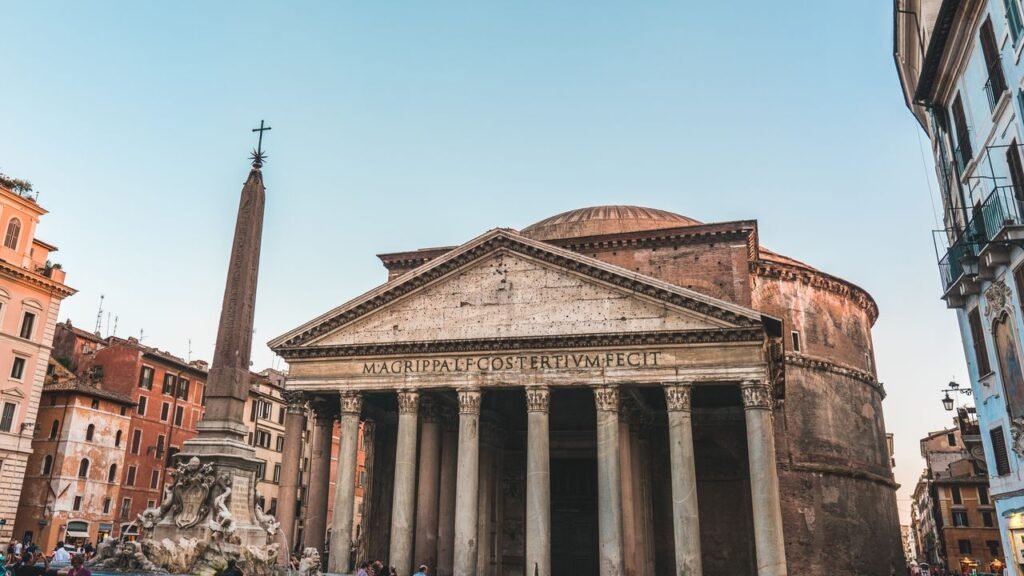
Begin at Piazza Navona, one of the city’s most beautiful squares, then walk to the Pantheon, one of the best-preserved monuments of ancient Rome. Just a few minutes away, stop at the Church of St. Ignatius of Loyola, famous for its spectacular ceiling fresco, which creates the optical illusion of a grand dome.
For lunch, enjoy classic Roman cuisine at Cantina e Cucina, a lively trattoria known for its homemade pasta. If you prefer to stay closer to the Pantheon, Armando al Pantheon is an excellent option for traditional Roman dishes. Reservations are strongly recommended.
After lunch, take a short coffee break at Sant’Eustachio Il Caffè, one of Rome’s historic coffee bars, or visit La Casa del Caffè Tazza d’Oro, located just steps from the Pantheon.
Before continuing your walk, treat yourself to an artisan gelato at Gelateria del Teatro, known for its creative and seasonal flavors.
Evening
As evening arrives, make your way to the Trevi Fountain. Visiting after dark can be a more atmospheric experience, and the fountain looks particularly striking when illuminated.
From Trevi, continue to the Spanish Steps, which take on a quieter and more romantic atmosphere in the evening.
For dinner, try Piccolo Buco, located just a short walk from the Trevi Fountain and known for its Neapolitan-style pizza. For a more refined dining experience, Life Ristorante offers elegant Italian cuisine in a stylish setting nearby.
After dinner, take a leisurely evening stroll through the surrounding streets before heading back to your hotel. Keep the evening relaxed — you’ll have plenty of time to discover more of Rome over the next few days.
Where to Stay in Rome
Hotel/Neighborhood Tip: For first-time visitors, Centro Storico is one of the best areas to stay, putting many of Rome’s iconic attractions within walking distance, including the Pantheon, Trevi Fountain, and Piazza Navona. If you prefer a livelier atmosphere with excellent restaurants and evening activity, Trastevere is a great choice, while Monti offers a quieter, trendy setting close to the Colosseum and well connected by public transport.
Hotel options across budgets:
- Budget-Friendly: For travelers looking for good value, Lungotevere Suite Hotel offers spacious, modern rooms in a peaceful riverside location, while Domus Castrense offers convenient access to Roma Termini and good overall value.
- Mid-Range: The First Dolce – Preferred Hotels & Resorts combines elegant rooms, attentive service, and a central location, while The Fifteen Keys Hotel is a stylish boutique property praised for its warm hospitality and excellent breakfast.
- Luxury: For a luxurious stay in Rome, consider Hassler Roma or Bulgari Hotel Roma. Hassler Roma is renowned for its timeless elegance, exceptional service, and views overlooking the Spanish Steps, while Bulgari Hotel Roma offers contemporary luxury, refined design, and exceptional dining in a prestigious central location.
Recommended Experiences
- Colosseum, Roman Forum & Palatine Hill Guided Tour: Travel back to Ancient Rome as you explore the Colosseum, Roman Forum, and Palatine Hill. An expert guide brings the history of these iconic sites to life and provides insight into the power and grandeur of the Roman Empire.
- Vatican Museums, Sistine Chapel & St. Peter’s Basilica Tour: Explore the Vatican’s most important highlights, including the Vatican Museums, Sistine Chapel, and St. Peter’s Basilica, with an expert guide.
- Borghese Gallery Skip-the-Line Guided Tour: Discover masterpieces by Bernini, Caravaggio, and Raphael while learning about the remarkable collection of one of Rome’s most celebrated art galleries.
- Appian Way E-Bike Tour with Catacombs & Aqueducts: Escape the crowds of central Rome and explore the ancient Appian Way, historic catacombs, Roman ruins, and Aqueduct Park by e-bike.
- Pasta & Tiramisu Cooking Class in Rome: Learn how to prepare fresh pasta and authentic tiramisu from scratch before enjoying the meal you’ve made. You’ll also take home the recipes to recreate them later.
Day 2 – Ancient Rome
Morning
Start your day early at the Colosseum, ideally with a pre-booked timed-entry ticket to avoid the busiest crowds. Before your visit, grab a classic Italian espresso and a freshly baked pastry at Er Baretto, a popular café in the nearby Monti district known for its excellent coffee and welcoming atmosphere.
After exploring the Colosseum, continue to the Roman Forum, once the political, commercial, and social center of Ancient Rome. Then climb Palatine Hill, traditionally associated with the founding of Rome and later home to several Roman emperors. Together, these archaeological sites offer an incredible glimpse into the history and power of Ancient Rome.
For a more extensive visit, consider the S.U.P.E.R. ticket, which provides access to additional archaeological sites and areas within the Roman Forum and Palatine Hill, including the House of Augustus and other important monuments.
Transport:
- 🚇 Metro Line B (Best Option): Take Metro Line B to Colosseo station, located just steps from the Colosseum. The journey is usually the easiest option from central Rome.
~€1.50–€2, depending on the ticket or payment method used. - 🚌 City Bus: Lines 51, 75, 85, and 87 serve stops around the Colosseum, generally within a short walk of the entrance.
~€1.50 with a standard BIT ticket, with contactless payment also available on eligible services. - Official White Taxi: Taxis can drop you near areas such as Piazza del Colosseo, Via di San Gregorio, or Via dei Fori Imperiali, subject to traffic restrictions and access rules.
~€8–€15 from central Rome, depending on traffic, distance, and your departure point.


Afternoon
After exploring Ancient Rome, head to the nearby Monti district, one of Rome’s most atmospheric neighborhoods. Its narrow streets are lined with independent boutiques, artisan shops, cafés, and small restaurants.
For lunch, stop at Lari The Vino, a welcoming Italian restaurant on Via Frangipane, just a short walk from the Colosseum. Reservations are highly recommended.
After lunch, cool down with an artisan gelato at Fatamorgana Monti, known for its creative seasonal flavors. Then spend some time wandering through Monti’s charming streets before continuing toward Via dei Fori Imperiali.
Follow the avenue toward Piazza Venezia, where you’ll find the impressive Altare della Patria (Vittoriano). Take some time to admire the monument and its grand architecture before continuing your evening.
Evening
Return to Monti and enjoy the neighborhood as its cafés and restaurants become livelier after sunset.
For dinner, choose between two excellent options:
- Cuoco & Camicia — a refined restaurant offering creative contemporary Italian cuisine in a relaxed setting.
or
- La Carbonara — a historic Monti restaurant and a great choice for classic Roman dishes such as carbonara, cacio e pepe, and amatriciana.
Day 3 – Vatican City, Tiber Walk & Trastevere

Morning
Start your day with breakfast at Sciascia Caffè 1919, one of Rome’s historic cafés, known for its excellent espresso, cappuccino, and signature coffee topped with chocolate. It’s a great spot for a traditional Italian breakfast before heading to Vatican City.
After breakfast, visit the Vatican Museums as early as possible to avoid the busiest crowds. Take your time exploring the museums and the Sistine Chapel, then continue to St. Peter’s Basilica. Depending on the current access arrangements, you may be able to use a connecting route, or you can exit the museums and make your way to St. Peter’s Square before entering the basilica.
Transport:
- Metro Line A (Best Option): Take Metro Line A to Ottaviano–San Pietro station, then walk approximately 7–10 minutes to the Vatican Museums entrance. This is one of the most convenient public transport options for an early visit.
~€1.50–€2, depending on the ticket or payment method used. - City Bus: Several bus lines, including 49, 32, 81, 492, and 990, serve the Vatican area, with stops around Piazza del Risorgimento and Via Leone IV. From there, it’s generally a short walk to the museums.
~€1.50–€2, depending on the ticket or payment method used. - Official White Taxi: Taxis can take you to the Vatican Museums area, with drop-off near Viale Vaticano subject to local traffic restrictions.
~€8–€20 from central Rome, depending on traffic and your starting point.
Afternoon
After visiting St. Peter’s Basilica, walk toward the elegant Prati district for lunch.
Stop at L’Arcangelo, a well-regarded restaurant known for refined Roman cuisine and handmade pasta. Reservations are highly recommended.
After lunch, visit Castel Sant’Angelo and explore the fortress, or simply admire its impressive exterior before taking a leisurely walk along the Tiber River.
Continue toward Campo de’ Fiori, passing through some of Rome’s picturesque historic streets. Along the way, stop at Gelateria del Teatro for an artisan gelato made with seasonal ingredients.
Evening
Cross Ponte Sisto into Trastevere, one of Rome’s most atmospheric neighborhoods. Spend the evening wandering through its cobblestone streets, discovering small piazzas, browsing independent shops, and enjoying the lively local atmosphere.
For dinner, head to Da Enzo al 29, a popular traditional trattoria known for classic Roman dishes such as carbonara, cacio e pepe, and amatriciana. Expect a queue, as reservations are generally not accepted.
Alternative: If you’d prefer a more food-focused and local experience, spend the evening in Testaccio, one of Rome’s best neighborhoods for traditional Roman cuisine.
Transport:
- Tram 8 (Return Option): From Trastevere, take Tram 8 toward Venezia. Stops around Piazza Belli and nearby streets provide convenient connections toward central Rome.
~€1.50–€2, depending on the ticket or payment method used.
Day 4 – Scenic Rome & Hidden Gems
Morning
Choose between two morning options depending on your interests:
Option 1: Capitoline Hill
Start your day with breakfast at Barnum Roma, a popular café known for specialty coffee, freshly baked pastries, and a relaxed atmosphere.
After breakfast, head to Capitoline Hill, where you can enjoy impressive views over the Roman Forum. If you’re interested in art and history, visit the Capitoline Museums, home to one of the world’s oldest public art collections.
Option 2: Villa Borghese
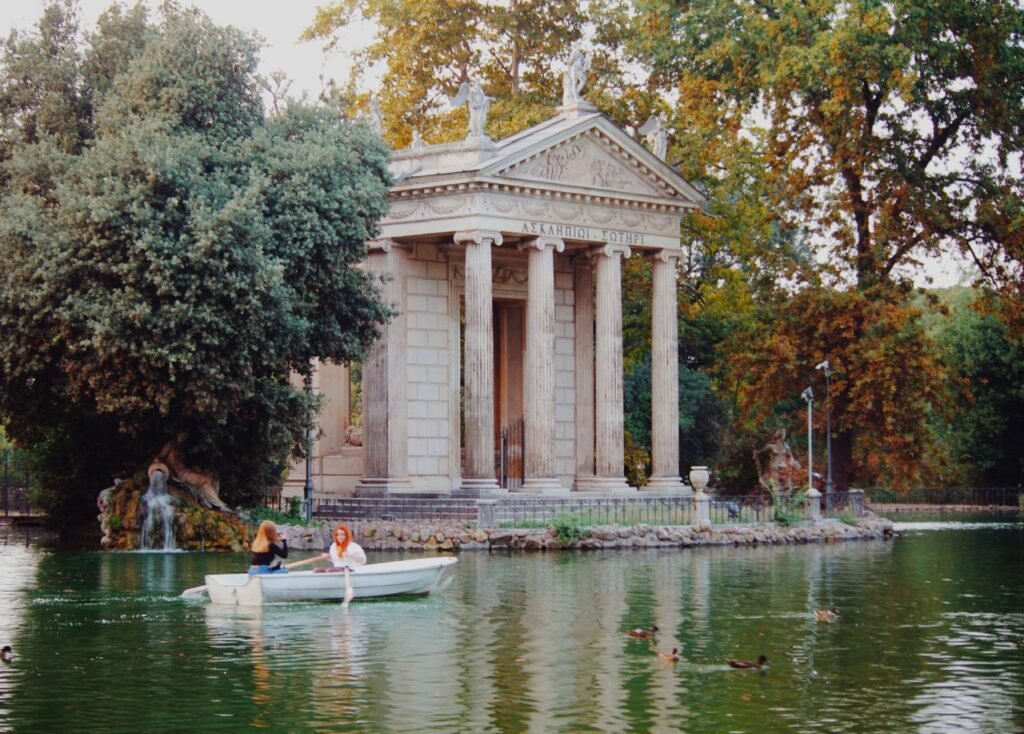
Begin your morning in the peaceful gardens of Villa Borghese, one of Rome’s largest parks. Wander along its tree-lined paths, enjoy the panoramic views from the Pincio Terrace, or visit the Galleria Borghese, one of Italy’s finest art museums. Advance reservations are required for the gallery.
Transport:
🏛️ Capitoline Hill

- 🚶♂️ Walking (Best Option): From Piazza Venezia, Capitoline Hill is just a few minutes away on foot, although the final approach is uphill.
Budget: Free. - 🚇 Metro: There is no metro station directly at Capitoline Hill. Colosseo (Line B) is one of the closest options, followed by a walk.
Budget: Standard Rome public transport fare. - 🚕 Taxi: Ask to be dropped near Piazza Venezia, followed by a short walk to the hill.
Budget: Approximately €8–€15 from many central locations, depending on traffic and starting point.


🌿 Villa Borghese / Galleria Borghese

- 🚇 Metro (Best Public Transport Option): Take Metro Line A to Flaminio or Spagna, then walk through Villa Borghese toward the gallery.
Budget: Standard Rome public transport fare. - 🚌 Bus: Several routes serve the area around Villa Borghese, with stops followed by a short walk to the park or gallery.
Budget: Standard Rome public transport fare. - 🚕 Taxi (Most Direct): For the Galleria Borghese, ask to be dropped near Piazzale Scipione Borghese. For the park or Pincio Terrace, nearby entrances such as Porta Pinciana are more convenient.
Budget: Approximately €10–€20 from many central locations, depending on traffic and starting point.
Afternoon
Discover Rome’s historic Jewish Ghetto, one of the city’s most fascinating neighborhoods and an important center of Roman Jewish history and culture.
For lunch, stop at Nonna Betta, a popular restaurant specializing in Roman-Jewish cuisine. Try Carciofo alla Giudia, the famous Jewish-style fried artichoke and one of Rome’s signature specialties.
After lunch, take a leisurely walk to Piazza Mattei, home to the elegant Fountain of the Turtles, a beautiful Renaissance fountain. Continue to the nearby Theatre of Marcellus, an impressive ancient Roman theater whose distinctive architecture is sometimes compared to the Colosseum.
Transport:
- 🚶♂️ From Capitoline Hill (Best Option): Walk downhill toward the Jewish Ghetto via Via del Teatro di Marcello and the surrounding historic streets.
Budget: Free. - 🚌 From Villa Borghese (Best Public Transport): Take a suitable bus toward the historic center, then continue on foot toward the Jewish Ghetto. Journey times vary depending on the route and traffic.
Budget: Standard Rome public transport fare. - 🚕 Taxi (Most Convenient): A direct taxi from Villa Borghese or Capitoline Hill can save time, especially in the afternoon.
Budget: Approximately €8–€18, depending on traffic and starting point. - 🚇 Metro (Not Recommended): There is no convenient metro station directly in the Jewish Ghetto, making walking, buses, or taxis more practical.
Evening
End your final day with one of Rome’s beautiful panoramic viewpoints.
Head to Aventine Hill for the famous Knights of Malta Keyhole, which offers a perfectly framed view of St. Peter’s Basilica. Nearby, the Orange Garden (Giardino degli Aranci) is an excellent spot to watch the sunset and enjoy views across Rome.
Alternatively, make your way to Janiculum Hill (Gianicolo) for a higher panoramic viewpoint over the city. While there, admire the monumental Fontana dell’Acqua Paola.
Finish your Rome stay with a memorable farewell dinner at Roscioli Salumeria con Cucina, one of the city’s most celebrated restaurants. Advance reservations are strongly recommended.
Transport:
🌿 From Jewish Ghetto → Aventine Hill (Orange Garden / Keyhole)
- 🚶♂️ Walking (Best Option): Walk toward the Bocca della Verità area and continue uphill to the Aventine. Allow roughly 15–20 minutes, depending on your exact starting point.
Budget: Free. - 🚕 Taxi: A convenient option if you want to avoid the uphill walk.
Budget: Approximately €8–€15, depending on traffic and starting point.
🌇 From Jewish Ghetto → Janiculum Hill (Fontana dell’Acqua Paola)

- 🚶♂️ Walking (Not Recommended): The route involves a significant uphill climb, so it is better suited to travelers who enjoy walking.
Budget: Free. - 🚌 Public Transport: Bus routes serving the Janiculum area can take you closer to the hill, although routes and schedules vary. Check the latest ATAC information before setting out.
Budget: Standard Rome public transport fare. - 🚕 Taxi (Best Overall Option): A direct taxi is the easiest option if you want to reach the viewpoint without the steep climb.
Budget: Approximately €12–€20, depending on traffic and starting point.
Day 5 – Slow Morning & Departure
Morning
Start your final morning in Rome at Gran Caffè Rinascimento, a charming café near Piazza Navona. Enjoy a relaxed Italian breakfast with a coffee and pastry before taking one last leisurely stroll through the historic center.
After breakfast, head toward Campo de’ Fiori to explore its lively morning market, held Monday through Saturday. Browse the stalls for fresh produce, local specialties, and a few last-minute souvenirs.
From Campo de’ Fiori, continue along Via Giulia, one of Rome’s most elegant historic streets. Take your time wandering through its quieter surroundings before making your way back to the hotel to collect your luggage.
Afternoon
After your relaxed morning, return to your hotel to collect your luggage and prepare for your journey to Rome Fiumicino Airport (FCO).
For most international flights, aim to arrive at the airport around 3 hours before departure. Allow extra time for traffic if you’re taking a taxi or private transfer.
Transport:
- Leonardo Express: The fastest and most reliable option from Roma Termini. The nonstop journey takes about 32 minutes.
€14 per person. - FL1 Regional Train: A convenient option if you’re staying near Trastevere, Ostiense, or Tiburtina. The journey time varies depending on your departure station.
€8 per person. - Airport Shuttle Bus: Services such as Terravision and SIT connect central Rome with Fiumicino Airport. Allow extra time for traffic.
Approximately €6–€8 per person. - Official White Taxi: A convenient door-to-door option, particularly with luggage. Rome’s official taxis offer a regulated flat fare between Fiumicino Airport and destinations within Rome’s Aurelian Walls.
€55 per ride.
Local Tip: If your flight is in the afternoon, leave central Rome at least 3–4 hours before your flight. The Leonardo Express is usually the most predictable option if you’re near Termini, while a taxi or private transfer is more convenient if you have heavy luggage.
Option 2: The Rome & Florence Culture Explorer
Day 1 – Easy Arrival Day
Morning
Arrive in Rome, check into your accommodation, and take some time to rest after your journey. Keep your first morning intentionally light so you can recover from your flight, settle in, and ease into the rhythm of the city before starting your sightseeing.
Transport:
- 🚆 Leonardo Express: The fastest option from Rome Fiumicino Airport to Roma Termini, with a nonstop journey of about 32 minutes (€14).
- 🚂 FL1 Regional Train: A convenient alternative serving stations such as Trastevere, Ostiense, and Tiburtina. The journey takes approximately 25–50 minutes, depending on your destination (€8).
- 🚌 Airport Shuttle Buses: Operators such as Terravision and SIT offer direct services to Roma Termini in around 45–60+ minutes, depending on traffic (approximately €6–€8).
- 🚕 Official Taxis: Rome’s official white taxis offer a regulated flat fare of €55 for eligible trips from Fiumicino Airport to destinations within Rome’s Aurelian Walls. The journey typically takes around 40–50 minutes, depending on traffic.
- 📱 Ride-Hailing Apps: Uber operates in Rome, primarily through premium services such as Uber Black. Fares vary according to demand, distance, and traffic.


💡 Arrival Tip: For a more comfortable journey, especially after a long flight or when traveling with heavy luggage, consider booking a private transfer with Welcome Pickups. Your driver will meet you at the arrivals hall and take you directly to your hotel.

Afternoon
Begin your Rome adventure with a relaxed walk through the historic center. Start at Piazza Navona, then continue to the magnificent Pantheon, one of the best-preserved ancient Roman buildings.
Just a few minutes away, visit the Church of St. Ignatius of Loyola, famous for its remarkable ceiling fresco, which creates the optical illusion of a grand dome.
For lunch, head to Cantina e Cucina, a popular trattoria known for its homemade pasta and lively atmosphere. Alternatively, Armando al Pantheon is an excellent choice near the Pantheon, serving traditional Roman specialties. Reservations are strongly recommended.
After lunch, enjoy a classic Italian coffee at Sant’Eustachio Il Caffè, one of Rome’s historic coffee bars, or visit La Casa del Caffè Tazza d’Oro, another famous coffee institution just steps from the Pantheon.
Before continuing your walk, treat yourself to artisan gelato at Gelateria del Teatro, known for its creative seasonal flavors.
Evening
As evening approaches, head to the Trevi Fountain. The illuminated fountain creates a beautiful atmosphere after dark, and the area can feel more relaxed than during the busiest daytime hours.
Continue to the nearby Spanish Steps, where you can enjoy Rome’s historic streets and lively evening atmosphere.
End your first day with dinner at Piccolo Buco, a popular restaurant near the Trevi Fountain known for its Neapolitan-style pizza. If you prefer a more refined dining experience, Life Ristorante offers elegant Italian cuisine nearby.
Where to Stay in Rome
Hotel/Neighborhood Tip: For first-time visitors, Centro Storico is an excellent base, putting major sights such as the Pantheon, Trevi Fountain, and Piazza Navona within easy walking distance. For a more local atmosphere, excellent dining, and lively evenings, consider Trastevere. Alternatively, Monti offers a quieter, trendy setting close to the Colosseum, with convenient public transport connections.
Hotel Options Across Budgets:
- Budget-Friendly: For comfortable stays at a reasonable price, Lungotevere Suite Hotel offers spacious, modern rooms in a peaceful riverside setting. Another good-value option is Domus Castrense, conveniently located within walking distance of Roma Termini.
- Mid-Range: The First Dolce – Preferred Hotels & Resorts combines elegant rooms, attentive service, and a central location. Alternatively, The Fifteen Keys Hotel is a stylish boutique hotel known for its welcoming atmosphere and excellent breakfast.
- Luxury: For a truly memorable stay, consider Hassler Roma or Bulgari Hotel Roma. Hassler Roma is renowned for its timeless elegance, exceptional service, and views overlooking the Spanish Steps. Meanwhile, Bulgari Hotel Roma combines contemporary luxury, sophisticated design, and exceptional dining in one of Rome’s most prestigious areas.
Recommended Experiences
- Colosseum, Roman Forum & Palatine Hill Guided Tour: Explore Ancient Rome on a guided visit to the iconic Colosseum, Roman Forum, and Palatine Hill. An expert guide brings the history and grandeur of the Roman Empire to life.
- Vatican Museums, Sistine Chapel & St. Peter’s Basilica Tour: Discover the highlights of Vatican City with an expert guide, including the world-famous Sistine Chapel and magnificent St. Peter’s Basilica.
- Borghese Gallery Skip-the-Line Guided Tour: Admire masterpieces by Bernini, Caravaggio, and Raphael while learning about the stories and techniques behind the works from an expert guide.
- Appian Way E-Bike Tour with Catacombs & Aqueducts: Escape the busy city center on an e-bike tour along the ancient Appian Way, with stops at historic catacombs, Roman ruins, and the impressive Aqueduct Park.
- Pasta & Tiramisu Cooking Class in Rome: Learn how to make fresh pasta and tiramisu from scratch with local chefs in central Rome. Enjoy your creations after the class and take the recipes home with you.
Day 2 – Ancient Rome
Morning
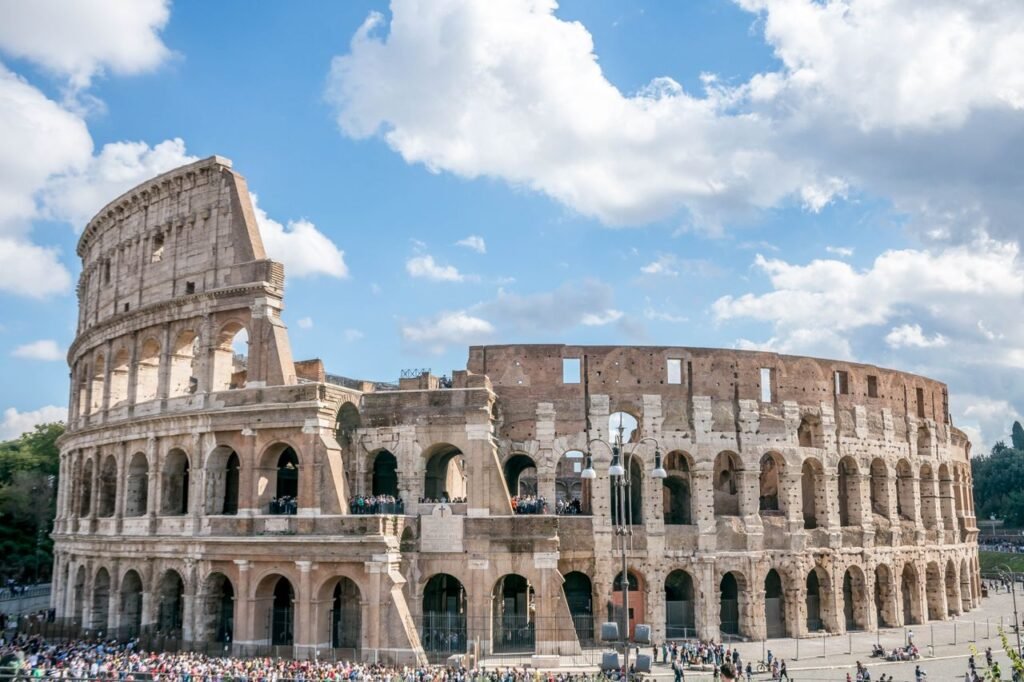
Start your day early at the Colosseum, using a pre-booked timed-entry ticket to avoid the busiest hours. Before heading inside, stop at Er Baretto, a welcoming café in the Monti neighborhood, for a classic Italian espresso and a fresh pastry.
After exploring the Colosseum, continue to the Roman Forum, once the political, commercial, and social center of Ancient Rome. Then climb Palatine Hill, traditionally associated with the founding of Rome and later home to several Roman emperors. Together, these archaeological sites offer a fascinating glimpse into the history and development of Ancient Rome.
💡 Local Tip: Consider the S.U.P.E.R. ticket, which includes access to several additional sites within the Roman Forum and Palatine Hill archaeological area, including the House of Augustus. Check the current ticket options when booking, as included sites can vary.
Transport:
- 🚇 Metro Line B (Best Option): Take Metro Line B to Colosseo Station, located just a 1–2 minute walk from the Colosseum entrance.
€1.50–€2 per person, depending on the ticket purchased. - 🚌 City Bus: Lines 51, 75, 85, and 87 serve the Colosseum area, with stops within a short walk of the site.
Approximately €1.50 per person using a standard BIT ticket or contactless payment. - 🚖 Official White Taxi: Taxis can drop you near the Colosseum, depending on traffic restrictions and road access. From central Rome, expect approximately €8–€15, depending on your starting point and traffic.

Afternoon
Walk into the Monti district, one of Rome’s most charming neighborhoods, known for its independent boutiques, artisan shops, and relaxed café scene.
For lunch, head to Lari The Vino on Via Frangipane, a welcoming spot just a short walk from the Colosseum. Reservations are highly recommended.
After lunch, treat yourself to artisan gelato at Fatamorgana Monti, known for its creative flavors and seasonal ingredients.
Spend some time wandering through Monti’s cobblestone streets before continuing along Via dei Fori Imperiali toward Piazza Venezia, where you can admire the imposing Altare della Patria (Vittoriano).
Evening
Spend the evening in Monti, where the neighborhood’s squares, cafés, and restaurants become lively after sunset.
For dinner, choose between:
- Cuoco & Camicia: A stylish restaurant offering contemporary Italian cuisine with creative interpretations of classic dishes.
- La Carbonara: A historic Monti restaurant specializing in traditional Roman favorites, including carbonara, cacio e pepe, and amatriciana.
Day 3 – Vatican City & Departure for Florence
Morning
Begin your day with breakfast at Sciascia Caffè 1919, one of Rome’s historic cafés, known for its excellent espresso, cappuccino, and signature chocolate coffee. It’s a great place to enjoy a classic Italian breakfast before heading to the Vatican.
After breakfast, make your way to the Vatican Museums early in the morning to avoid the heaviest crowds. Explore the museums’ impressive collections before visiting the world-famous Sistine Chapel. Then continue to St. Peter’s Basilica, either through the connecting route when available or by exiting the museums and walking around to St. Peter’s Square.
Transport:
- 🚇 Metro Line A (Best Option): Take Metro Line A to Ottaviano–San Pietro Station, followed by a 7–10 minute walk to the Vatican Museums entrance.
Approximately €1.50 per person with a standard BIT ticket, valid for 100 minutes across Rome’s public transport network. - 🚌 City Bus: Lines 49, 32, 81, 492, and 990 serve the Vatican area, with stops around Piazza del Risorgimento and Via Leone IV. From there, it’s approximately a 5–10 minute walk to the museums.
Approximately €1.50 per person with a BIT ticket or contactless payment. - 🚖 Official White Taxi: Taxis can drop passengers near the Vatican Museums on Viale Vaticano, usually within a short walk of the entrance.
Approximately €8–€20 from central Rome, depending on traffic and your starting point.
Afternoon
After visiting St. Peter’s Basilica, walk into the elegant Prati district for lunch.
Stop at L’Arcangelo, a well-regarded restaurant specializing in refined Roman cuisine and handmade pasta. Reservations are highly recommended.
After lunch, visit Castel Sant’Angelo or admire its impressive exterior before taking a leisurely walk along the Tiber River toward Rome’s historic center.
Continue through the charming streets toward Campo de’ Fiori, stopping along the way at Gelateria del Teatro for artisan gelato made with seasonal ingredients.
Evening
After your afternoon in Rome, return to your accommodation to collect your luggage and head to the station. Board a direct high-speed train to Florence, enjoying a comfortable journey through the Italian countryside.
Upon arrival at Firenze Santa Maria Novella (SMN), check into your accommodation, drop off your luggage, and take some time to settle in. If you still have energy, enjoy a relaxed evening stroll through Florence’s historic center, starting at Piazza del Duomo to admire the magnificent Cathedral of Santa Maria del Fiore. Continue to Piazza della Signoria before ending your evening at Ponte Vecchio, one of Florence’s most iconic landmarks.
Transport:
- 🚆 High-Speed Train (Best Option): Take a direct Trenitalia Frecciarossa or Italo train from Roma Termini or Roma Tiburtina to Firenze Santa Maria Novella (SMN). The journey takes approximately 1 hour 30 minutes.
€20–€30 when booked in advance; €50–€80+ for last-minute tickets. - 🚌 Long-Distance Bus (Budget Option): FlixBus and Itabus connect Rome with Florence. Depending on the service, you may arrive at Villa Costanza or Piazzale Montelungo. The journey takes approximately 3 hours 15 minutes to 4 hours 30 minutes.
€5–€20 when booked in advance.
💡 Travel Tip: Book your high-speed train in advance for the best fares and choose a departure time that gives you enough time to return to your hotel, collect your luggage, and reach the station without rushing.
Where to Stay in Florence
Hotel/Neighborhood Tip: For first-time visitors, Centro Storico is the best base, placing major sights such as the Duomo, Piazza della Signoria, the Uffizi Gallery, and Ponte Vecchio within easy walking distance. For a quieter atmosphere and a more residential feel, consider Oltrarno, across the Arno River, which is also home to scenic viewpoints and artisan workshops. Staying near Santa Maria Novella Station is especially convenient if you plan to take day trips or have an early train.
Hotel Options Across Budgets:
- Budget-Friendly: Hotel Bonifacio offers a charming traditional atmosphere in a quiet area within walking distance of the center, while JR Hotels Hermes Firenze provides practical accommodation just a short walk from Santa Maria Novella Station.
- Mid-Range: Palazzo Niccolini al Duomo combines historic character with modern comforts in a prime location near the Duomo. Alternatively, Palazzo Alfieri Residenza d’Epoca offers elegant historic accommodation along the Arno River, within easy reach of Florence’s main attractions.
- Luxury: Four Seasons Hotel Firenze offers a luxurious stay in a restored Renaissance palace surrounded by extensive private gardens. For a hillside escape with panoramic views over Florence, Villa San Michele, A Belmond Hotel, Florence occupies a historic former monastery in the hills above the city.
Recommended Experiences
- Florence Opera Concert at Santa Monaca Church: Enjoy an intimate evening of Italian opera performed by professional singers inside the historic Santa Monaca Church.
- Uffizi Gallery Skip-the-Line Guided Tour: Explore one of the world’s most important Renaissance art collections, with works by Botticelli, Leonardo da Vinci, and Michelangelo, accompanied by an expert guide.
- Florence Hills & Panoramic Golf Cart Tour: Explore Florence by electric golf cart, including a visit to Piazzale Michelangelo for some of the city’s best panoramic views.
- Florence Small-Group Walking Tour: Discover Florence’s historic center with a local guide while learning about the Medici family, Renaissance architecture, and the city’s fascinating history.
- Florence Arno River Cruise with Live Music: Enjoy a relaxing cruise along the Arno River beneath Florence’s historic bridges, accompanied by live music.
- Florence Duomo Skip-the-Line Guided Tour: Discover the cathedral complex and learn about Brunelleschi’s famous dome with a guided visit and access to other major Duomo sites included in the pass.
Day 4 – Uffizi Gallery & Oltrarno
Morning
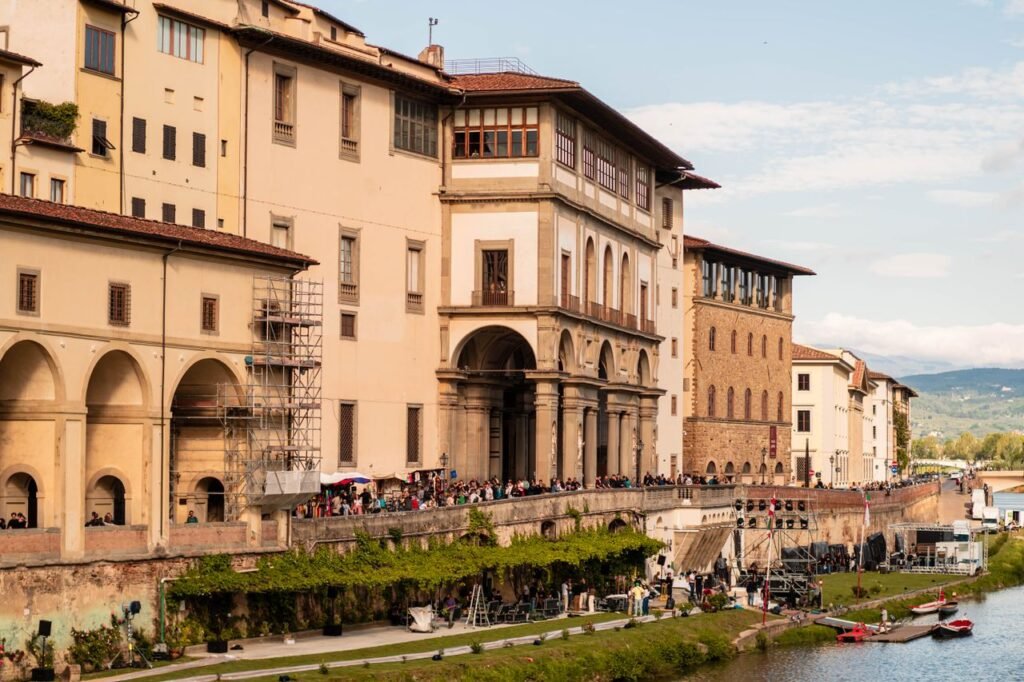
Start your day early with a visit to the Uffizi Gallery, allowing you to explore its extraordinary Renaissance collection before the busiest crowds arrive. Focus on masterpieces by Botticelli, Leonardo da Vinci, and Michelangelo, among many other celebrated artists. Allow around 2–3 hours for the museum, depending on how thoroughly you want to explore the galleries.
After leaving the Uffizi, cross the Arno River on foot and make your way into the Oltrarno district. The scenic walk offers a chance to admire Florence’s historic streets and bridges while keeping the pace relaxed after your museum visit.
Afternoon
Spend the afternoon exploring Oltrarno, one of Florence’s most characterful neighborhoods. Away from the busiest areas around the Duomo, Oltrarno is known for its artisan workshops, traditional trattorias, independent shops, and quieter streets.
Stop for a traditional Tuscan lunch at Trattoria La Casalinga, a long-established local favorite known for its hearty, home-style cooking. After lunch, take your time wandering through the neighborhood and discovering its artisan shops and charming streets.
For an afternoon coffee break, stop at Ditta Artigianale Oltrarno for a specialty coffee before continuing your exploration at a leisurely pace.
Evening
As the afternoon winds down, head to Piazzale Michelangelo, one of Florence’s most famous viewpoints. From here, you’ll enjoy sweeping views across the city, with the Arno River, historic bridges, Duomo, and terracotta rooftops stretching out before you. Arrive around sunset to experience one of Florence’s most memorable panoramas.
Transport:
- 🚶♂️ Walking (15–30 min): A steep uphill climb from Oltrarno, but the most scenic option and a great choice if you want to walk up for sunset.
- 🚌 Bus 12 (15–25 min, €1.70): A budget-friendly option, although buses can be crowded around sunset.
- 🚕 Taxi (10–15 min, €10–€20): The fastest and most comfortable option, especially if you want to arrive before sunset without the uphill walk.
💡 Best combo: Take a taxi up to Piazzale Michelangelo, then walk back down through San Niccolò for a scenic route into Oltrarno.
After watching the sunset, walk downhill through San Niccolò and return to the heart of Oltrarno for dinner at Trattoria 4 Leoni. Located in the lively Piazza della Passera, it’s a great place to end the day with traditional Tuscan cuisine in a relaxed Florentine setting.
Day 5 – Accademia Gallery & Departure
Morning
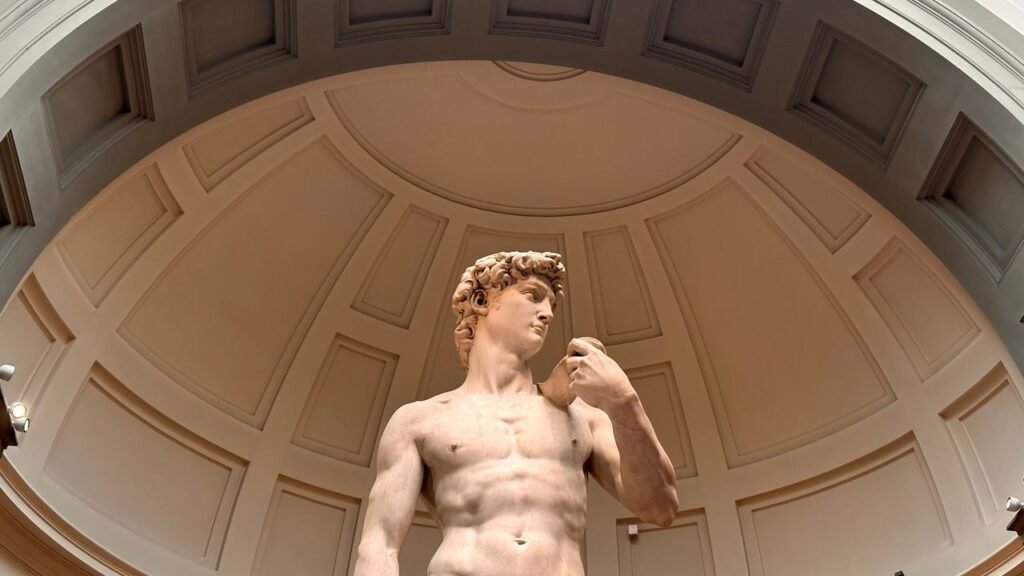
Book the earliest entry time, around 8:15 AM, at the Galleria dell’Accademia. Arriving early is especially worthwhile because the museum can become crowded quickly. An early time slot gives you a more relaxed opportunity to admire Michelangelo’s David and the gallery’s other highlights. The Accademia is closed every Monday, except for occasional special openings, so check the official schedule when planning your trip.
After your visit, walk to the San Lorenzo neighborhood and explore its lively market stalls, known for leather goods, souvenirs, and local food products.
If you feel adventurous, try lampredotto, a traditional Florentine street-food specialty. Otherwise, head to Mercato Centrale for a relaxed lunch with options ranging from pizza and fresh pasta to other Tuscan specialties.
Afternoon
After lunch, return to your accommodation, collect your luggage, and make your way to Florence Airport (Amerigo Vespucci Airport – FLR).
Transport:
- 🚋 Tram T2 (Best Budget Option): Take the T2 tram toward Peretola–Aeroporto for a direct connection between central Florence and the airport. This is particularly convenient if you are staying near Santa Maria Novella. €2 per person.
- 🚕 Official Taxi (Most Convenient): Take an official taxi directly from your accommodation to Florence Airport. The predetermined fare from the central city area is €28, with possible supplements for luggage, nighttime, and holiday travel.
- 🚗 Private Transfer: A pre-booked private transfer provides convenient door-to-door service and can be worthwhile if you have several pieces of luggage or a tight schedule. Prices vary by provider and vehicle.


💡 Departure Tip: Don’t leave lunch too late. Allow enough time to return to your accommodation, collect your luggage, and reach the airport comfortably before your flight. If you’re staying near Santa Maria Novella, the T2 tram is generally the simplest option; a taxi is more convenient if you’re traveling with heavy luggage.
Option 3: From Rome Antiquity to Venice Canals
Day 1 – Easy Arrival Day
Morning
Arrive in Rome, check into your accommodation, and take some time to rest after your journey. Keep your first morning intentionally light, giving you time to recover from your flight, settle in, and ease into the rhythm of the city before beginning your sightseeing.
Transport:
- 🚆 Leonardo Express: The fastest option from Rome Fiumicino Airport to Roma Termini, with a nonstop journey of about 32 minutes (€14).
- 🚂 FL1 Regional Train: A convenient alternative serving stations including Trastevere, Ostiense, and Tiburtina. The journey takes approximately 25–50 minutes, depending on your destination (€8).
- 🚌 Airport Shuttle Buses: Operators such as Terravision and SIT connect Fiumicino Airport with Roma Termini in around 45–60+ minutes, depending on traffic (approximately €6–€8).
- 🚕 Official Taxis: Rome’s official white taxis offer a regulated flat fare of €55 for eligible trips from Fiumicino Airport to destinations within Rome’s Aurelian Walls. The journey typically takes around 40–50 minutes, depending on traffic.
- 📱 Ride-Hailing Apps: Uber operates in Rome, primarily through premium services such as Uber Black. Fares vary depending on demand, distance, and traffic.
💡 Arrival Tip: For a more comfortable journey, especially after a long flight or when traveling with heavy luggage, consider booking a private transfer with Welcome Pickups. Your driver will meet you at the arrivals hall and take you directly to your hotel.
Afternoon
Begin your Rome adventure with a relaxed walk through the historic center. Start at Piazza Navona, then continue to the magnificent Pantheon, one of the best-preserved ancient Roman buildings.
Just a few minutes away, visit the Church of St. Ignatius of Loyola, famous for its remarkable ceiling fresco that creates the optical illusion of a grand dome.
For lunch, head to Cantina e Cucina, a popular trattoria known for its homemade pasta and lively atmosphere. Alternatively, Armando al Pantheon is an excellent choice near the Pantheon, serving traditional Roman specialties. Reservations are strongly recommended.
After lunch, enjoy a classic Italian coffee at Sant’Eustachio Il Caffè, one of Rome’s historic coffee bars, or visit La Casa del Caffè Tazza d’Oro, another famous coffee institution just steps from the Pantheon.
Before continuing your walk, treat yourself to artisan gelato at Gelateria del Teatro, known for its creative seasonal flavors.
Evening
As evening approaches, head to the Trevi Fountain. Its illumination creates a beautiful atmosphere after dark, while the surrounding area takes on a lively evening feel.
Continue to the nearby Spanish Steps, where you can enjoy Rome’s historic streets and vibrant atmosphere after sunset.
End your first day with dinner at Piccolo Buco, a popular restaurant near the Trevi Fountain known for its Neapolitan-style pizza. If you prefer a more refined dining experience, Life Ristorante offers elegant Italian cuisine nearby.
Where to Stay in Rome
Hotel/Neighborhood Tip: For first-time visitors, Centro Storico is an excellent base, with major attractions such as the Pantheon, Trevi Fountain, and Piazza Navona within easy walking distance. For a more local atmosphere, great dining, and lively evenings, consider Trastevere. Alternatively, Monti offers a quieter, trendy setting close to the Colosseum, with convenient public transport connections.
Hotel Options Across Budgets:
- Budget-Friendly: For comfortable stays at a reasonable price, Lungotevere Suite Hotel offers spacious, modern rooms in a peaceful riverside setting. Another good-value option is Domus Castrense, conveniently located within walking distance of Roma Termini.
- Mid-Range: The First Dolce – Preferred Hotels & Resorts combines elegant rooms, attentive service, and a central location. Alternatively, The Fifteen Keys Hotel is a stylish boutique hotel known for its welcoming atmosphere and excellent breakfast.
- Luxury: For a truly memorable stay, consider Hassler Roma or Bulgari Hotel Roma. Hassler Roma is renowned for its timeless elegance, exceptional service, and views overlooking the Spanish Steps. Meanwhile, Bulgari Hotel Roma combines contemporary luxury, sophisticated design, and exceptional dining in one of Rome’s most prestigious areas.
Recommended Experiences
- Colosseum, Roman Forum & Palatine Hill Guided Tour: Explore Ancient Rome on a guided visit to the iconic Colosseum, Roman Forum, and Palatine Hill, with an expert guide bringing the history and grandeur of the Roman Empire to life.
- Vatican Museums, Sistine Chapel & St. Peter’s Basilica Tour: Discover the highlights of Vatican City with an expert guide, including the world-famous Sistine Chapel and magnificent St. Peter’s Basilica.
- Borghese Gallery Skip-the-Line Guided Tour: Admire masterpieces by Bernini, Caravaggio, and Raphael while learning about the artists and their works from an expert guide.
- Appian Way E-Bike Tour with Catacombs & Aqueducts: Escape the busy city center on an e-bike tour along the ancient Appian Way, with stops at historic catacombs, Roman ruins, and the impressive Aqueduct Park.
- Pasta & Tiramisu Cooking Class in Rome: Learn to make fresh pasta and tiramisu from scratch with local chefs in central Rome. Enjoy your creations after the class and take the recipes home with you.
Day 2 – Ancient Rome
Morning
Start your day early at the Colosseum, using a pre-booked timed-entry ticket to avoid the busiest periods. Before your visit, stop at Er Baretto in the Monti neighborhood for a classic Italian espresso and a fresh pastry.
After exploring the Colosseum, continue to the Roman Forum, once the political, commercial, and social heart of Ancient Rome. Then climb Palatine Hill, traditionally linked to the founding of Rome and later home to several Roman emperors. Together, these remarkable archaeological sites offer a fascinating look at the history and development of Ancient Rome.
💡 Local Tip: Consider the S.U.P.E.R. ticket, which provides access to several additional sites within the Roman Forum and Palatine Hill archaeological area, including the House of Augustus. Check the current ticket options when booking, as inclusions may vary.
Transport:
- 🚇 Metro Line B (Best Option): Take Metro Line B to Colosseo Station, located just a 1–2 minute walk from the Colosseum.
€1.50–€2 per person, depending on the ticket purchased. - 🚌 City Bus: Lines 51, 75, 85, and 87 serve the Colosseum area, with stops within a short walk of the site.
Approximately €1.50 per person using a standard BIT ticket or contactless payment. - 🚖 Official White Taxi: Taxis can drop you near the Colosseum, depending on traffic restrictions and road access. From central Rome, expect approximately €8–€15, depending on your starting point and traffic.
Afternoon
Walk into the Monti district, one of Rome’s most charming neighborhoods, known for its independent boutiques, artisan shops, and relaxed café scene.
For lunch, head to Lari The Vino on Via Frangipane, a welcoming restaurant very close to the Colosseum. Reservations are highly recommended.
After lunch, treat yourself to artisan gelato at Fatamorgana Monti, known for its creative flavors and seasonal ingredients.
Spend some time wandering through Monti’s cobblestone streets before continuing along Via dei Fori Imperiali toward Piazza Venezia, where you can admire the imposing Altare della Patria (Vittoriano).
Evening
Spend the evening in Monti, where the neighborhood’s squares, cafés, and restaurants become lively after sunset.
For dinner, choose between:
- Cuoco & Camicia: A stylish restaurant offering contemporary Italian cuisine with creative interpretations of classic dishes.
- La Carbonara: A historic Monti restaurant specializing in traditional Roman favorites, including carbonara, cacio e pepe, and amatriciana.
Day 3 – Vatican City & Departure for Venice
Morning
Start your day with breakfast at Sciascia Caffè 1919, a historic Roman café known for its excellent espresso, cappuccino, and signature chocolate coffee. It’s a lovely spot to enjoy a traditional Italian breakfast before heading to the Vatican.
After breakfast, arrive at the Vatican Museums early to beat the busiest crowds. Take your time exploring the museum’s remarkable art collections before entering the Sistine Chapel to admire Michelangelo’s famous ceiling. From there, continue to St. Peter’s Basilica, either via the connecting route when available or by exiting the museums and making your way through St. Peter’s Square.
Transport:
- 🚇 Metro Line A (Best Option): Take Metro Line A to Ottaviano–San Pietro Station, then walk approximately 7–10 minutes to the Vatican Museums.
Approximately €1.50 per person with a standard BIT ticket, valid for 100 minutes across Rome’s public transport network. - 🚌 City Bus: Lines 49, 32, 81, 492, and 990 serve the Vatican area, with stops near Piazza del Risorgimento and Via Leone IV. From there, it’s about a 5–10 minute walk to the museums.
Approximately €1.50 per person with a BIT ticket or contactless payment. - 🚖 Official White Taxi: Take an official taxi to the Vatican Museums, with drop-off points available near Viale Vaticano.
Approximately €8–€20 from central Rome, depending on traffic and your starting point.
Afternoon
After exploring St. Peter’s Basilica, make your way into Prati, an elegant neighborhood just north of the Vatican, for lunch.
Enjoy a meal at L’Arcangelo, a respected Roman restaurant known for refined versions of traditional dishes and handmade pasta. Reservations are highly recommended.
After lunch, visit Castel Sant’Angelo, or admire its imposing exterior before taking a relaxed walk along the Tiber River toward the historic center.
Continue toward Campo de’ Fiori, passing through some of Rome’s picturesque streets along the way. Stop at Gelateria del Teatro for artisan gelato made with seasonal ingredients before continuing your afternoon.
Evening
After your Vatican and Prati sightseeing, return to your accommodation to collect your luggage and head to Roma Termini. Board a direct high-speed train to Venezia Santa Lucia, the most convenient station for travelers staying in Venice’s historic center.
The journey takes around 4 hours, giving you a comfortable way to travel north while avoiding the hassle of flying.
Transport:
- 🚆 High-Speed Train (Best Option): Take a direct Trenitalia Frecciarossa or Italo service from Roma Termini to Venezia Santa Lucia. Travel time is approximately 4 hours, with advance fares starting from around €30 when available. Prices increase closer to departure.
- 🚕 Taxi to Roma Termini: An official white taxi is the easiest option if you have heavy luggage. The fare depends on your accommodation and traffic.
💡 Travel Tip: Book your train early for the best fares and choose Venezia Santa Lucia, not Mestre, if you are staying in historic Venice. Santa Lucia is located directly on the island, making it much easier to continue to your accommodation.
If possible, aim for an afternoon or early-evening departure from Rome. Arriving in Venice very late can make navigating bridges, narrow streets, and luggage more difficult, especially if you still need to take a vaporetto to your accommodation.
Where to Stay in Venice
Hotel/Neighborhood Tip: For first-time visitors, San Marco is one of the most convenient areas to stay, putting major sights such as St. Mark’s Basilica, Doge’s Palace, and the Rialto Bridge within easy walking distance. For a quieter and more local atmosphere, consider Cannaregio or Dorsoduro. Both neighborhoods offer charming canals, traditional restaurants, and convenient vaporetto connections.
Hotel Options Across Budgets:
- Budget-Friendly: 40.17 San Marco and La Locandiera are good options for travelers looking for comfortable accommodation in central locations without a luxury price tag.
- Mid-Range: H10 Palazzo Canova and I Palazzi – Hotel Ca’ Bonfadini combine elegant interiors, comfortable rooms, and convenient locations for exploring Venice.
- Luxury: For a special stay, consider The Venice Venice Hotel or Baglioni Hotel Luna. The Venice Venice Hotel offers contemporary luxury along the Grand Canal, while Baglioni Hotel Luna provides classic Venetian elegance close to St. Mark’s Square.
Recommended Experiences
- Murano & Burano Island Tour: Visit the colorful islands of Murano and Burano, with a glassblowing demonstration in Murano and time to explore Burano’s picturesque streets.
- Skip-the-Line St. Mark’s Basilica & Doge’s Palace Guided Tour: Explore two of Venice’s most important landmarks with a guide, including the magnificent mosaics of St. Mark’s Basilica and the historic Bridge of Sighs.
- Private Venice Walking Tour: Discover quieter streets, hidden corners, residential squares, and the Rialto area with a local guide.
- Vivaldi’s Four Seasons Concert in Venice: Enjoy a live performance of Vivaldi’s famous Four Seasons in a historic Venetian setting.
- Private Gondola Ride Through Venice’s Canals: Experience Venice from the water as you glide through its historic canals and past palaces, bridges, and quieter residential areas.
- Venice Sunset Dinner Cruise: Enjoy an evening cruise through the Venetian Lagoon while taking in views of Venice from the water.
Day 4- Full Day in Venice
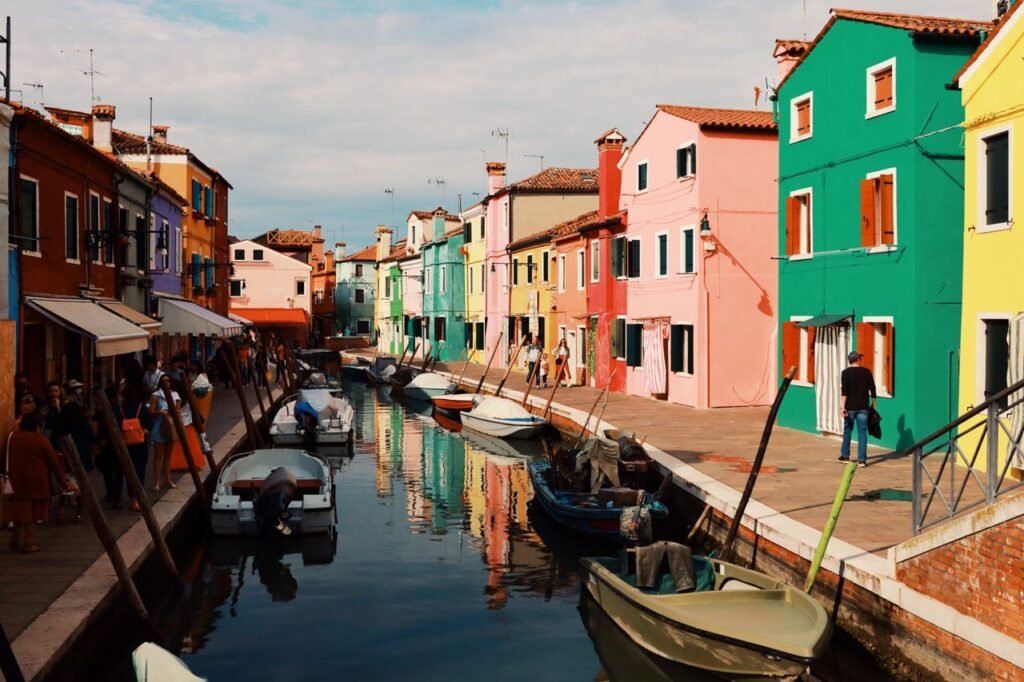
💡 Pace Note: This is the most ambitious day of the itinerary, combining Venice’s major landmarks with a lagoon-island excursion. It is a long but rewarding day, so adjust the pace to your energy level. If you prefer a slower day, skip Murano or shorten your time in Dorsoduro. St. Mark’s Square, the Rialto area, and Burano are the key experiences.
Morning
Start your day with breakfast near Piazza San Marco at Caffè del Doge, enjoying a traditional Venetian coffee and pastry.
Then head to the Campanile di San Marco for panoramic views over Venice, the lagoon, and surrounding islands. Arriving early helps you enjoy the viewpoint before the area becomes busier.
Continue to St. Mark’s Basilica to admire its spectacular mosaics and Byzantine architecture, followed by Doge’s Palace, the former seat of Venetian political power. Walk across the famous Bridge of Sighs before leaving the busy Piazza San Marco area.
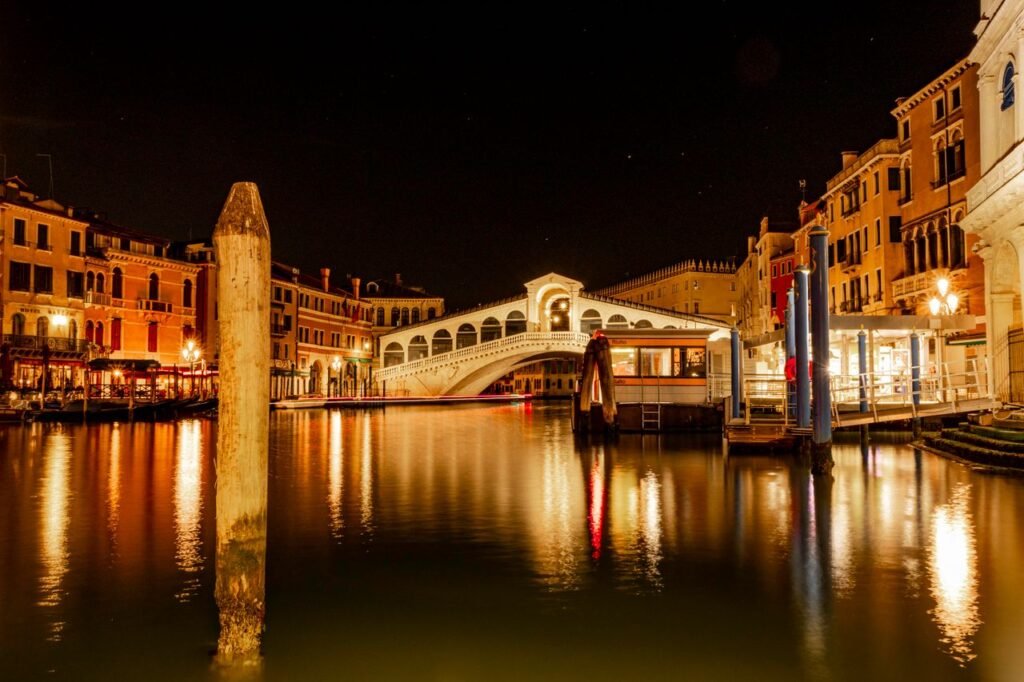
From San Marco, make your way toward the Rialto Bridge, Venice’s most famous bridge and one of the city’s essential viewpoints over the Grand Canal. Take some time to admire the canal, browse the nearby shops, and explore the surrounding Rialto Market area.
Continue into San Polo, wandering through small canals, charming bridges, and quieter streets that offer a more authentic side of Venice.
Reserve timed-entry tickets in advance, especially during spring and summer. Allow approximately 3–3.5 hours for the Campanile, St. Mark’s Basilica, and Doge’s Palace, then another 1–1.5 hours for the Rialto and San Polo area.
Afternoon
After your morning sightseeing, make your way to Fondamente Nove to board Vaporetto Line 12 to Burano, staying aboard as the boat continues via Murano. The trip takes approximately 40–45 minutes.
Enjoy a late lunch at Trattoria al Gatto Nero, a well-regarded restaurant known for traditional Venetian cuisine and fresh seafood. Advance reservations are strongly recommended.
After lunch, explore Burano’s famously colorful houses, peaceful canals, and charming streets. Take some time to learn about the island’s traditional lace-making heritage before heading back toward Venice.
On the return journey, consider stopping briefly in Murano if you still have energy. Spend about an hour exploring its canals and learning about its long-standing glassmaking tradition.
💡 Slow-Pace Option: Skip Murano if you are tired. The morning landmarks and Burano already make this a full day.
Transport:
- 🚤 Venice → Burano: From Fondamente Nove, take Vaporetto Line 12 directly to Burano. Approximately 40–45 minutes.
- 🚤 Burano → Murano: Take Vaporetto Line 12 toward Murano. Approximately 30–40 minutes, depending on the service.
- 🚤 Murano → Venice: Continue by Vaporetto Line 12 to Fondamente Nove. Approximately 10–20 minutes.
- 💶 Vaporetto: A standard single-journey ticket costs €12. If you plan several journeys during the day, a 24-hour pass can offer better value.


Evening
Return to Venice and head toward Dorsoduro, a quieter and more artistic neighborhood. Enjoy a relaxed walk along the Zattere promenade overlooking the Giudecca Canal.
For a classic Venetian experience, take a gondola ride from a quieter departure point away from the busiest area around St. Mark’s Square, such as San Tomà or Accademia.
Finish the day with dinner at Impronta Restaurant Venice, a relaxed Dorsoduro restaurant where you can unwind after a full day of sightseeing and island exploring.
💡 Final Tip: Keep the evening flexible. After a full day covering San Marco, Rialto, Burano, and possibly Murano, a sunset walk and gondola ride are more enjoyable than adding another major attraction.
Day 5- Quiet Venice & Departure
Morning
Start your final morning in Venice with breakfast at Pasticceria Dal Mas, a well-known local pastry shop where you can enjoy espresso, fresh brioche, and traditional Venetian pastries.
After breakfast, take a relaxed farewell walk through Cannaregio, one of Venice’s most atmospheric neighborhoods. Explore its quieter canals and narrow streets before visiting the Venetian Ghetto, one of the city’s most historically significant areas.
Continue along Fondamenta della Misericordia, a lively canal-side promenade lined with cafés, bars, and restaurants, or simply wander through Cannaregio’s peaceful backstreets at your own pace, if you feel like it.
Take your time enjoying Venice’s quieter side before returning to your accommodation to collect your luggage and head to Venice Marco Polo Airport (VCE).
Transport :
- 🚌 Airport Bus (Best Budget Option): Walk or take a vaporetto to Piazzale Roma, then board the ATVO Express Bus or ACTV Aerobus Line 5 to the airport. The journey takes approximately 20–25 minutes and costs around €12 per person one way.
- 🚤 Alilaguna Water Bus (Scenic Option): Take the Alilaguna Blue or Orange Line from a nearby waterfront stop directly to the airport. The journey takes approximately 60–90 minutes, depending on your departure point, and costs around €18 per person one way.
- 🚕 Private Water Taxi (Most Comfortable): For a convenient door-to-door transfer, arrange a private water taxi from a nearby dock directly to the airport. The journey generally takes around 30–45 minutes, with fares typically starting at approximately €140–€180+ per boat, depending on the pickup location and provider.
💡 Departure Tip: Allow plenty of time for the journey to the airport, particularly if using the Alilaguna, as the water-bus journey is considerably longer than the road transfer. If you have a morning or early-afternoon flight, the ATVO bus or ACTV Aerobus is usually the most practical option.
Option 4: Rome Highlights & The Amalfi Coast Escape
Day 1 – Easy Arrival & First Taste of Rome
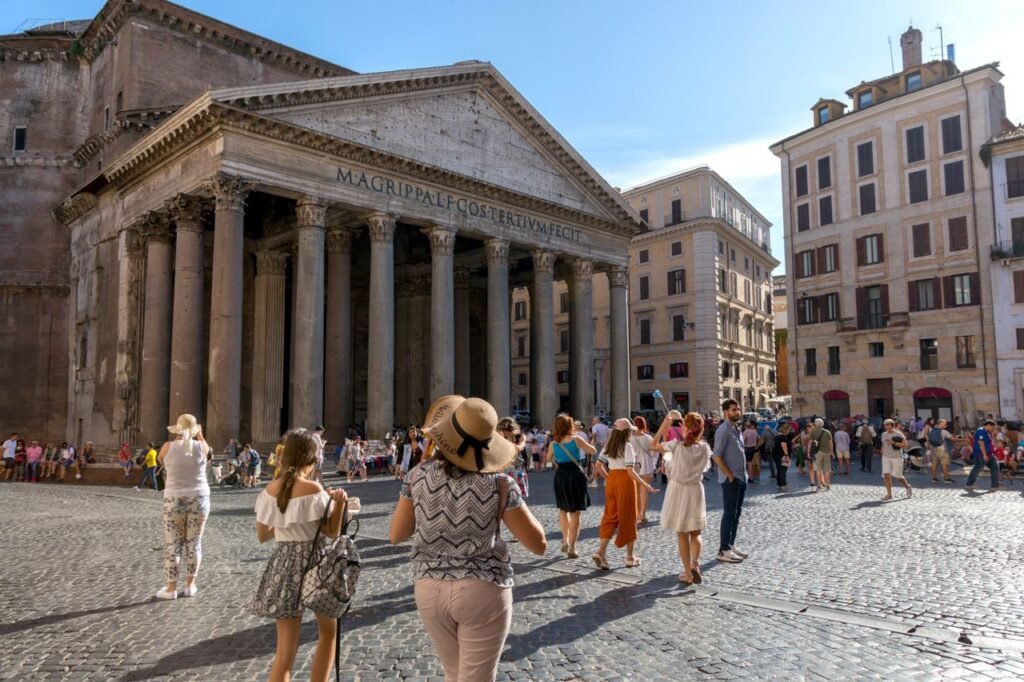
Morning
After arriving in Rome, check into your hotel and take some time to settle in and rest. Keep your first morning relaxed and unhurried, giving yourself time to recover from the journey before beginning your exploration of the city.
Transport:
- Leonardo Express: A nonstop train to Roma Termini, taking approximately 32 minutes. The standard fare is €14.
- FL1 Regional Train: A more budget-friendly option with stops at stations including Trastevere, Ostiense, and Tiburtina. The journey takes roughly 25–50 minutes, depending on your destination. €8 per person.
- Airport Shuttle Buses: Services such as Terravision and SIT connect Fiumicino Airport with Termini in approximately 45–60+ minutes, depending on traffic. Fares are around €6–€8 per person.
- Official Taxis: Rome’s official white taxis offer a regulated flat fare of €55 per ride from Fiumicino Airport to destinations within Rome’s Aurelian Walls.
- Ride-Hailing Apps: Uber operates in Rome, although its availability is mainly through premium services such as Uber Black rather than standard metered rides.
- Private Transfers: For a more comfortable and convenient arrival, particularly if you have luggage or arrive late, consider booking a private transfer with Welcome Pickups. Your driver will meet you at the arrivals area and take you directly to your hotel.
Afternoon
Once you’ve had time to rest, begin exploring Rome’s historic center on foot.
Start at Piazza Navona, one of the city’s most beautiful squares, then continue to the Pantheon, one of the best-preserved monuments of ancient Rome. Just a few minutes away, visit the Church of St. Ignatius of Loyola, renowned for its spectacular ceiling fresco, which creates the optical illusion of a grand dome.
For lunch, enjoy classic Roman cuisine at Cantina e Cucina, a lively trattoria known for its homemade pasta. If you’d prefer to stay closer to the Pantheon, Armando al Pantheon is an excellent choice for traditional Roman dishes. Reservations are strongly recommended.
After lunch, enjoy a short coffee break at Sant’Eustachio Il Caffè, one of Rome’s historic coffee bars, or stop by La Casa del Caffè Tazza d’Oro, located just steps from the Pantheon.
Before continuing your walk, treat yourself to an artisan gelato at Gelateria del Teatro, known for its creative and seasonal flavors.
Evening
As evening sets in, make your way to the Trevi Fountain. Visiting after dark offers a more atmospheric experience, with the fountain looking especially striking when illuminated.
From Trevi, continue to the Spanish Steps, which take on a quieter and more romantic atmosphere in the evening.
For dinner, try Piccolo Buco, located just a short walk from the Trevi Fountain and known for its Neapolitan-style pizza. For a more refined dining experience, Life Ristorante offers elegant Italian cuisine in a stylish setting nearby.
After dinner, take a leisurely stroll through the surrounding streets before returning to your hotel. Keep the evening relaxed — you’ll have plenty of time to discover more of Rome over the next few days.
Where to Stay in Rome
Hotel/Neighborhood Tip: For first-time visitors, Centro Storico is one of the best areas to stay, with many of Rome’s iconic attractions within walking distance, including the Pantheon, Trevi Fountain, and Piazza Navona. If you prefer a livelier atmosphere with excellent restaurants and plenty of evening activity, Trastevere is a great choice. For a quieter, trendy setting close to the Colosseum and well connected by public transport, consider Monti.
Hotel Options Across Budgets:
- Budget-Friendly: For travelers looking for good value, Lungotevere Suite Hotel offers spacious, modern rooms in a peaceful riverside setting, while Domus Castrense provides convenient access to Roma Termini and good overall value.
- Mid-Range: The First Dolce – Preferred Hotels & Resorts combines elegant rooms, attentive service, and a central location. The Fifteen Keys Hotel is a stylish boutique property known for its warm hospitality and excellent breakfast.
- Luxury: For a luxurious stay in Rome, consider Hassler Roma or Bulgari Hotel Roma. Hassler Roma is renowned for its timeless elegance, exceptional service, and views overlooking the Spanish Steps, while Bulgari Hotel Roma offers contemporary luxury, refined design, and exceptional dining in a prestigious central location.
Recommended Experiences
- Colosseum, Roman Forum & Palatine Hill Guided Tour: Step back into Ancient Rome as you explore the Colosseum, Roman Forum, and Palatine Hill. An expert guide brings the history of these iconic sites to life while providing insight into the power and grandeur of the Roman Empire.
- Vatican Museums, Sistine Chapel & St. Peter’s Basilica Tour: Explore some of the Vatican’s most important highlights, including the Vatican Museums, Sistine Chapel, and St. Peter’s Basilica, accompanied by an expert guide.
- Borghese Gallery Skip-the-Line Guided Tour: Admire masterpieces by Bernini, Caravaggio, and Raphael while learning about the stories and techniques behind the works from an expert guide. Discover masterpieces by Bernini, Caravaggio, and Raphael while learning about the remarkable collection housed in one of Rome’s most celebrated art galleries.
- Appian Way E-Bike Tour with Catacombs & Aqueducts: Escape the crowds of central Rome and explore the ancient Appian Way, historic catacombs, Roman ruins, and Aqueduct Park by e-bike.
- Pasta & Tiramisu Cooking Class in Rome: Learn how to prepare fresh pasta and authentic tiramisu from scratch before sitting down to enjoy the meal you’ve created. You’ll also take home the recipes so you can recreate them later.
Day 2 – Ancient Rome & Departure to Positano
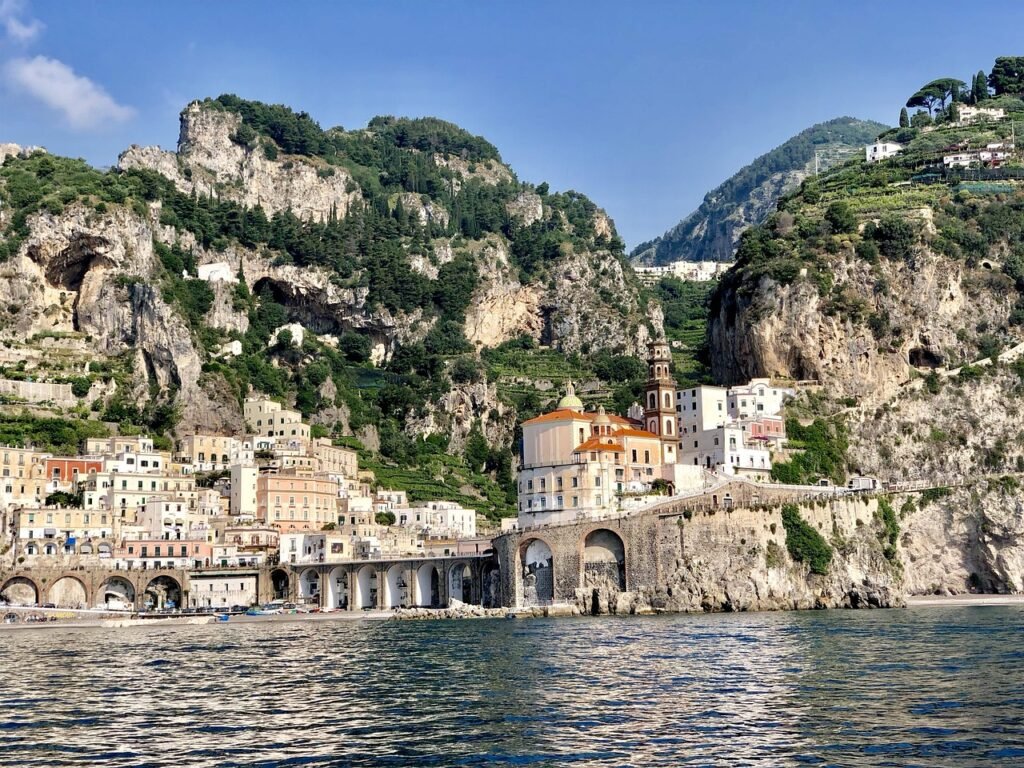
Morning
Start your day early at the Colosseum, ideally with a pre-booked timed-entry ticket to avoid the busiest crowds. Before your visit, stop for a classic Italian espresso and a freshly baked pastry at Er Baretto, a popular café in the nearby Monti district known for its excellent coffee and welcoming atmosphere.
After exploring the Colosseum, continue to the Roman Forum, once the political, commercial, and social heart of Ancient Rome. Then climb Palatine Hill, traditionally associated with the founding of Rome and later home to several Roman emperors. Together, these archaeological sites offer a fascinating glimpse into the history, culture, and power of Ancient Rome.
For a more extensive visit, consider the S.U.P.E.R. ticket, which provides access to additional archaeological sites and areas within the Roman Forum and Palatine Hill, including the House of Augustus and other important monuments.
Transport:
- 🚇 Metro Line B (Best Option): Take Metro Line B to Colosseo station, located just steps from the Colosseum. From central Rome, this is generally the easiest and most convenient option.
~€1.50–€2, depending on the ticket or payment method used. - 🚌 City Bus: Lines 51, 75, 85, and 87 serve stops around the Colosseum, generally within a short walk of the entrance.
~€1.50 with a standard BIT ticket, with contactless payment also available on eligible services. - 🚕 Official White Taxi: Taxis can drop you near areas such as Piazza del Colosseo, Via di San Gregorio, or Via dei Fori Imperiali, subject to traffic restrictions and access rules.
~€8–€15 from central Rome, depending on traffic, distance, and your departure point.
Afternoon
Your Italian journey now shifts from the ancient history of Rome to the breathtaking beauty of the Amalfi Coast. After traveling through Naples, you’ll arrive in Positano, one of the world’s most stunning cliffside villages. Once you’ve checked into your accommodation, relax and unwind. This day is intentionally kept slow and easy, giving you time to recover from the journey and settle into the laid-back rhythm of coastal life.
🚄 Train + Private Transfer (Best Balance of Speed & Convenience)
- Rome → Naples: High-speed train (~1h10–1h20, €20–€60).
- Naples → Positano: Private car transfer (~1h15–1h30, approximately €155–€180 per vehicle).
- ⏱️ Total travel time: ~2h30–2h50 of pure travel time, though it’s wise to allow around 3–4 hours overall for the connection and traffic.
- 💰 Total price: ~€175–€240 for the group, depending on train fares and vehicle size.
🚆 + 🚌 Train + Sorrento + Bus (Cheapest Public Option)
- Rome → Naples: Regional or high-speed train (~1h10–1h20, €20–€60).
- Naples → Sorrento: Circumvesuviana commuter train (~1h–1h15, ~€5–€6) or the more comfortable Campania Express (~50–70 minutes, €15).
- Sorrento → Positano: SITA local bus (~40–60 minutes, approximately €2–€3).
- ⏱️ Total travel time: ~4–5+ hours, depending on connection times and traffic.
- 💰 Total price: Approximately €26–€78 per person, depending on the train service selected.
🚆 + 🚤 Train + Sorrento + Ferry (Most Scenic Option)
- Rome → Naples: High-speed train (~1h10–1h20, €20–€60).
- Naples → Sorrento: Circumvesuviana commuter train (~1h–1h15, ~€5–€6) or the more comfortable Campania Express (~50–70 minutes, €15).
- Sorrento → Positano: Seasonal ferry (~40 minutes, approximately €19–€23).
- ⏱️ Total travel time: ~3h30–5h, depending on connection times.
- 💰 Total price: Approximately €40–€100 per person, depending on the train and ferry selected.
Note: Ferries are seasonal and weather-dependent, so check the schedule for your travel date before relying on this option.
🚐 Private Door-to-Door Transfer (Easiest Option)
- Rome → Positano direct: Private vehicle pickup from your Rome hotel straight to your Positano accommodation (~3h30–4h30, approximately €600–€750 per vehicle).
- This is the most convenient option if you have luggage and want to avoid changing trains or buses, but it is also by far the most expensive.
🚐 Get Your Guide Shuttle Bus (Convenient Alternative)
- Rome → Positano direct:Travel from Rome to Positano in comfort with a professional driver and designated pickup and drop-off points. A convenient, hassle-free option for reaching the Amalfi Coast without navigating unfamiliar roads.
Evening
As the sun begins to set, take a gentle stroll through Positano’s winding streets and narrow stairways. Make your way toward one of the town’s scenic viewpoints and pause to watch the cliffs gradually glow in the warm evening light. As twilight settles in, the village begins to sparkle, with lights appearing across the hillside and reflecting against the sea.
For dinner, La Sponda is an exceptional choice for your first night on the Amalfi Coast. The restaurant combines refined Mediterranean cuisine with an intimate, candlelit atmosphere and beautiful views over the water. Reservations are essential, especially during the summer months.
After dinner, resist the temptation to pack too much into the evening. Take a slow walk through the softly lit streets, stop for a drink or gelato if you feel like it, and simply enjoy the atmosphere of Positano at night.
Where to Stay in Positano
Hotel/Neighborhood Tip: For first-time visitors, choosing between Upper Positano and Lower Positano largely depends on your travel style. Upper Positano offers a quieter atmosphere, breathtaking panoramic views, and easier road access for vehicles. Lower Positano, on the other hand, puts you right in the heart of the action, just steps from Spiaggia Grande, the ferry pier, boutique shops, and lively restaurants. Both areas make excellent bases for exploring the Amalfi Coast, but keep in mind that Positano’s steep cliffside setting means you’ll encounter plenty of stairs regardless of where you stay.
Hotel Options Across Budgets:
- Mid-Range: For an excellent balance of comfort and value, consider Positano Art Hotel Pasitea, Hotel Poseidon, Albergo Miramare, and Hotel Buca di Bacco. With beautiful sea views, warm Mediterranean hospitality, and convenient locations close to the beach and town center, these properties offer a memorable coastal stay without the price tag of Positano’s ultra-luxury hotels.
- Luxury: For the ultimate high-end escape, Il San Pietro di Positano and Le Sirenuse are two of the Amalfi Coast’s most iconic hotels. Both are renowned for their spectacular cliffside views, personalized service, elegant design, and exceptional amenities, offering an unforgettable stay in one of Italy’s most beautiful destinations.
Recommended Experiences
- Amalfi Coast Small-Group Boat Tour: Take to the water to experience the dramatic beauty of the Amalfi Coast from the sea. Cruise past towering limestone cliffs, hidden coves, and picturesque cliffside villages such as Positano and Amalfi, with opportunities for swimming, snorkeling, and enjoying refreshing drinks along the way.
- Amalfi Coast Small-Group Boat Tour from Positano: Set sail directly from Positano’s pier aboard a traditional wooden gozzo boat. This intimate cruise takes you to hidden beaches, secluded sea caves, and iconic coastal villages, offering a peaceful way to experience the coast away from the crowds, with swimming breaks and complimentary drinks along the way.
- Path of the Gods Guided Hike: Trek the legendary Sentiero degli Dei with an expert local guide and take in breathtaking views across the Amalfi Coast, the island of Capri, and the Gulf of Naples. Ending high above Positano, this spectacular mountain trail is widely considered one of Italy’s most scenic outdoor adventures.
Day 3 – Capri Day Trip or Path of the Gods
Option 1: Capri Day Trip (Iconic Island Experience)
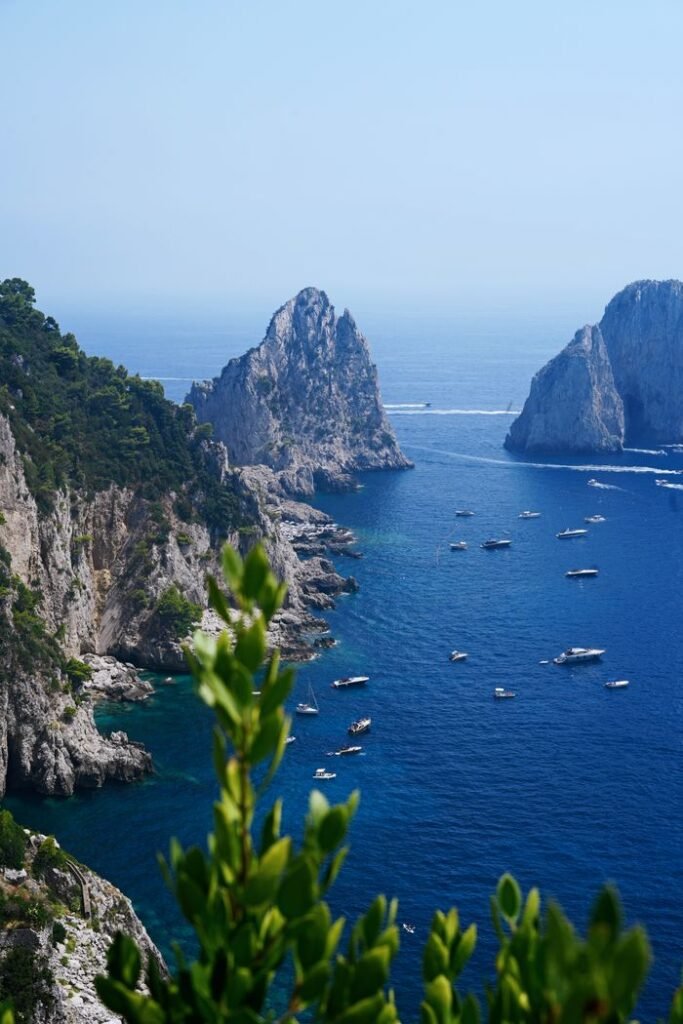
Morning
Start your day with an early ferry from Positano to Capri. As the boat draws closer to the island, towering limestone cliffs, dramatic rock formations, and brilliant turquoise waters create an unforgettable first impression.
Arrive at Marina Grande, Capri’s lively main harbor and the gateway to your island adventure.
One of the absolute highlights of any Amalfi Coast itinerary is a boat tour around Capri. Experiencing the island from the water offers the best perspective of its spectacular natural beauty, taking you close to the iconic Faraglioni rocks, hidden sea caves, and secluded coves carved into the rugged coastline.
Transport:
🚤 Ferry (Best Option – Direct Seasonal Service): Take a direct ferry from Positano to Capri, which takes approximately 30–50 minutes and costs around €20–€30 one way, depending on the operator. This is the most scenic and convenient option, with frequent services running from April through October.
Afternoon
Back on land, spend some time exploring Capri Town. Wander through its elegant pedestrian streets, browse designer boutiques, and soak up the lively atmosphere of its charming plazas. Then, make your way to Anacapri to experience the island’s quieter and more authentic side.
Stop for lunch at Sciue’ Sciue’, a popular local spot known for its relaxed atmosphere and traditional Caprese dishes.
For one of the most spectacular viewpoints in the entire region, take the open-air chairlift to the summit of Monte Solaro. From the top, enjoy sweeping panoramic views stretching across Capri, the Mediterranean, and the surrounding coastline.
Before boarding your return boat, indulge in a sweet treat at Buonocore Gelateria Pasticceria and enjoy one final stroll through the charming streets of Capri Town.
Evening
Board a late-afternoon or early-evening ferry back to Positano. End your coastal adventure with dinner at Ristorante Don Giovanni, where you can enjoy fresh local cuisine alongside sweeping panoramic views of the illuminated Amalfi coastline.
Recommended Experience
- Capri Small-Group Boat Tour: Discover the magic of Capri on an intimate small-group cruise. Sail along dramatic sea cliffs, explore hidden grottos, and pass beneath the iconic Faraglioni sea stacks. With swimming stops, local limoncello, and expert storytelling along the way, it’s a memorable way to experience Capri from the Mediterranean.
Option 2: Path of the Gods (Epic Hiking Experience)
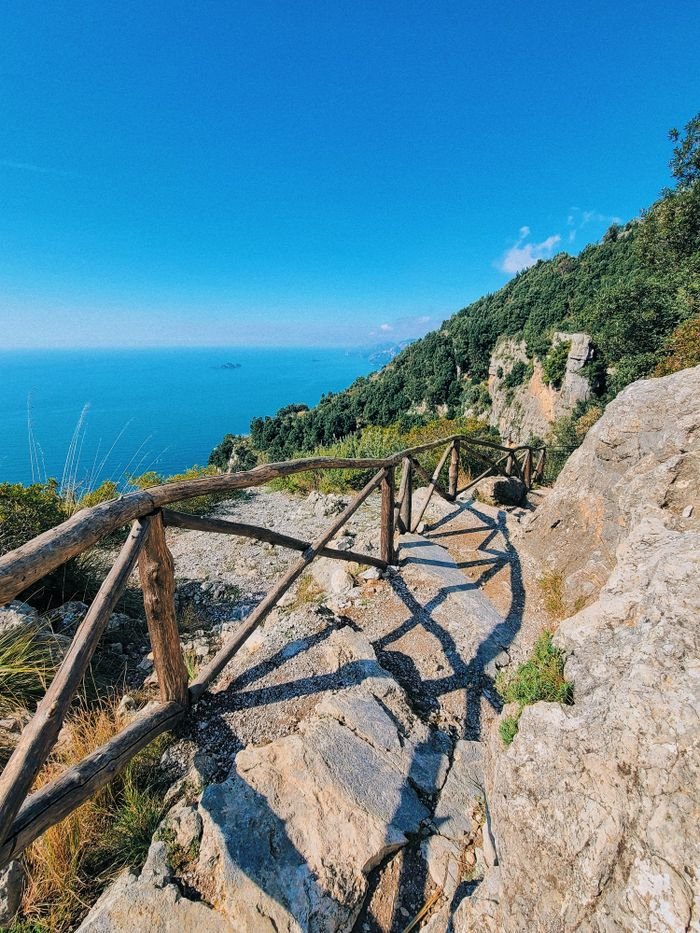
Morning
Commence your day with an early breakfast in Positano before traveling to Bomerano, the official trailhead for the legendary Path of the Gods (Sentiero degli Dei). If you prefer a seamless journey, you can arrange a guided excursion that manages all transit and route logistics while sharing historical and geological context about the unique coastal terrain. To avoid the peak midday temperatures and capture the clearest views of the coastline, aim to begin your trek between 8:00 AM and 9:00 AM.
Transport:
- 🚖 Taxi (Best Option – Direct & Fastest): Book a private taxi directly from Positano to Bomerano (~45–60 minutes, €120–€150 one way). This is the most efficient option for an early departure, ensuring a direct transfer without public transit transitions.
- 🚌 SITA Bus (Budget Option – 1–2 Connections): Take the SITA bus from Positano to Amalfi (~30–40 minutes), then board a connecting bus up to Agerola/Bomerano (~60–90 minutes total transit and transfer time, €3–€6). While economical, this route is subject to heavy morning crowds and fluctuating timetables.
The mountain path traces dramatic cliff edges suspended high above the Mediterranean Sea. Throughout the trek, you will witness sweeping panoramas of Positano, the distant profile of Capri, and rugged mountain peaks. Plan for frequent photo stops along what is widely considered one of Europe’s most beautiful hiking trails, where the terrain shifts between rocky singletracks, exposed paths, and quiet segments overlooking the water. After several hours of hiking, you will arrive in the small village of Nocelle. Pause here to rest with a light lunch or a cold lemon granita; Lemon Point is a favored rest stop featuring excellent vantage points to recharge before your descent.
Afternoon
Leave Nocelle to begin the famous staircase descent down to the shores of Positano. Featuring approximately 1,500 to 1,800 steps, this continuous downhill walk can be strenuous on the knees but offers spectacular scenery throughout. As you descend, the coastal landscape opens up further, with Positano appearing larger and closer with every flight of steps. Once you reach the street level, walk directly to Spiaggia Grande to relax your muscles, rest your legs, and enjoy a swim in the sea.
Evening
Finish your active day with a sunset dinner on an open-air terrace overlooking the illuminated coast. Given the physical demands of the hike, a slow, restful evening is highly recommended. If you still have the energy, conclude the night with a quiet walk through the glowing, narrow streets of Positano before returning to your accommodations.
Day 4 – Amalfi & Ravello (Culture + Views)
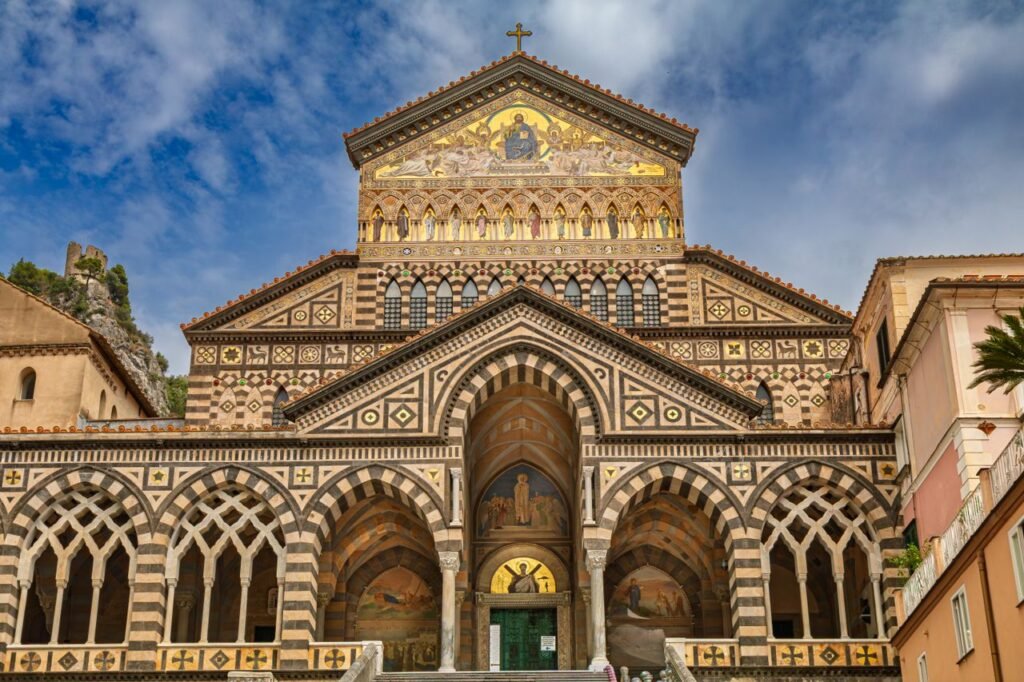
Morning
Start your final day on the Amalfi Coast with a scenic journey from Positano to Amalfi by ferry, bus, or taxi. Once you arrive, explore the historic town center and visit the magnificent Amalfi Cathedral (Duomo di Amalfi), one of the coast’s most recognizable landmarks.
Afterward, take a leisurely stroll through Amalfi’s charming streets and waterfront, enjoying its historic atmosphere before continuing to Ravello.
Transport:
- 🚤 Ferry (Best Option – Scenic & Fast): Take a direct ferry from Positano to Amalfi, usually around 15–25 minutes, for approximately €10–€15 per person. It offers beautiful coastal views and generally operates during the main tourist season, subject to weather and seasonal schedules.
- 🚌 SITA Bus (Budget Option): Take the local SITA bus from Positano to Amalfi, usually around 35–50 minutes, for approximately €2–€4 per person. It is very affordable but can become crowded during peak season.
- 🚖 Taxi (Most Comfortable Option): A private taxi takes around 20–30 minutes and costs approximately €40–€70 per vehicle. It offers convenient door-to-door transportation but is considerably more expensive.
Afternoon
From Amalfi, continue uphill to Ravello, a peaceful hilltop town renowned for its spectacular coastal views, elegant villas, and beautiful gardens.
Stop for lunch at Ristorante Vittoria to enjoy traditional Amalfi Coast cuisine before exploring the town.
After lunch, visit Villa Rufolo, known for its historic architecture, gardens, and panoramic views. If you have enough time and energy, walk onward to Villa Cimbrone and its famous Terrace of Infinity (Terrazza dell’Infinito), one of Ravello’s most spectacular viewpoints.
For a short break, stop at Caffè Calce in Ravello’s main square for a coffee, pastry, or gelato.
Transport:
- 🚌 SITA Bus (Best Option): Take the local bus from Amalfi to Ravello, usually around 20–30 minutes, for approximately €2–€4 per person. It is inexpensive and the most practical option for most travelers.
- 🚖 Taxi (Most Comfortable): A taxi takes around 10–15 minutes and costs approximately €25–€40 per vehicle, offering a faster and more comfortable alternative.
- 🚶 Walking (For Active Travelers): The route from Amalfi to Ravello takes roughly 1–1.5 hours uphill and includes a steep climb with numerous steps. It is scenic but demanding, so bring water and allow plenty of time.
Evening
Enjoy the late afternoon atmosphere in Ravello before heading back to your accommodation. Its elevated position provides beautiful views over the coastline as the light begins to fade.
For a special final dinner, consider Rossellinis, an elegant fine-dining restaurant known for its refined cuisine and panoramic terrace views.
Transport:
- ⛵ Bus + Ferry (Scenic Option): Take the SITA bus from Ravello to Amalfi, usually around 20–30 minutes and approximately €1.50–€3 per person, then catch a ferry from Amalfi to Positano, usually around 15–25 minutes for approximately €12–€15 per person. Ferry services are seasonal, so check the latest schedule before traveling.
- 🚌 Bus + Bus (Budget Option): Take the SITA bus from Ravello to Amalfi and connect to another bus toward Positano. Allow around 1.5–2.5 hours depending on traffic and connections, with a total cost of approximately €3–€10 per person.
- 🚖 Taxi (Most Comfortable Option): A private taxi from Ravello to Positano takes roughly 1–1.5 hours, depending on traffic, and costs approximately €140–€180 per vehicle.
Day 5 – Positano → Naples Airport (Departure Day)
Morning
Enjoy a relaxed final morning in Positano before checking out. Have breakfast at your hotel, take one last walk through the colorful streets, or spend some time by the waterfront soaking up the views.
If your flight is later in the day, you can use the extra time to browse Positano’s boutiques or enjoy a final gelato at Collina Bakery before collecting your luggage.
Afternoon
After checking out, begin your journey from Positano to Naples International Airport (NAP). For a departure day, a private transfer is the most convenient option, especially if you have luggage and need to arrive at the airport at a specific time.
Transport:
- 🚖 Private Transfer (Best Option – Convenient): A direct private transfer from Positano to Naples Airport takes approximately 1.5–2 hours, depending on traffic, and typically costs around €150–€200 per vehicle. During summer and peak travel periods, allow extra time for coastal traffic. Consider booking this highly convenient private Transfer.
- 🚌 Bus + Train + Alibus (Budget Option): Take a SITA bus from Positano to Sorrento, then continue by Circumvesuviana train to Naples and by Alibus onward to the airport. This is considerably cheaper, generally around €10–€20 per person, but requires multiple connections and extra travel time.
- 🚐 Shared Shuttle (Alternative): A shared transfer can offer a balance between price and convenience, with fares often around €40–€90 per person, depending on the provider and departure time.
- 🚐 Shared Shuttle + Alibus Bus: Consider booking this convenient shared shuttle from Positano to Naples Train station , then take the Alibus to the airport. It costs around €60 per person
💡 Airport Tip: For an international flight, aim to arrive at Naples Airport around 3 hours before departure. During the busy summer months, leave Positano with plenty of extra time because traffic along the Amalfi Coast can be unpredictable.
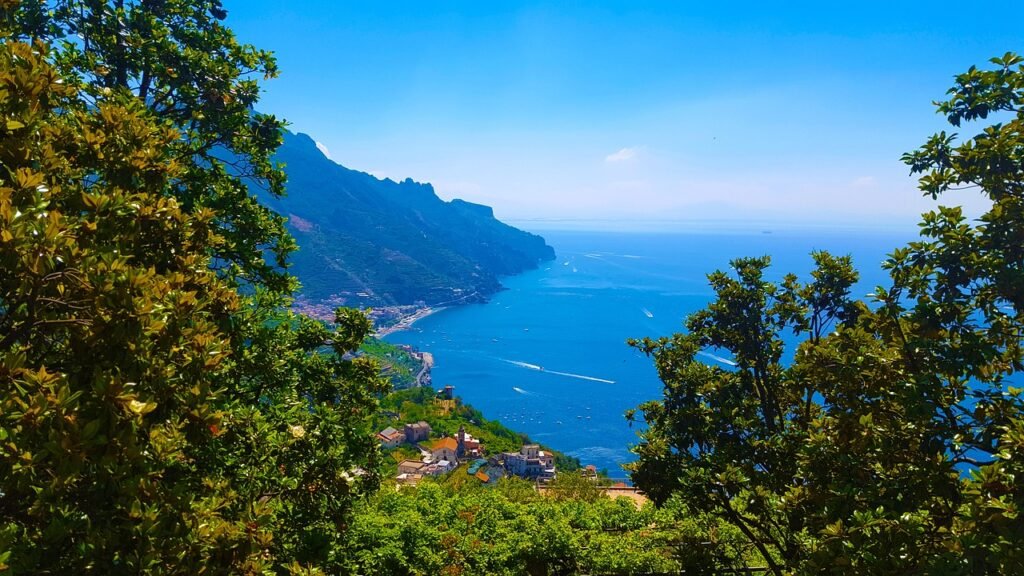
Conclusion
All in all, this 5-day Italy itinerary is designed to make planning easier and take the stress out of logistics. All you need to do is decide what your ideal Italian getaway looks like and choose the itinerary that fits you best—whether it’s a Roman escape, a cultural journey through Florence, a romantic getaway in Venice, or a sun-soaked escape along the Amalfi Coast.
Whichever route you choose, your own version of La Dolce Vita is waiting for you.
I’d love to know which itinerary you chose! Let me know in the comments.
Pingback: The Ultimate 7 Day Italy Itinerary (2026): 4 Routes, Hotels, and Transport Tips