
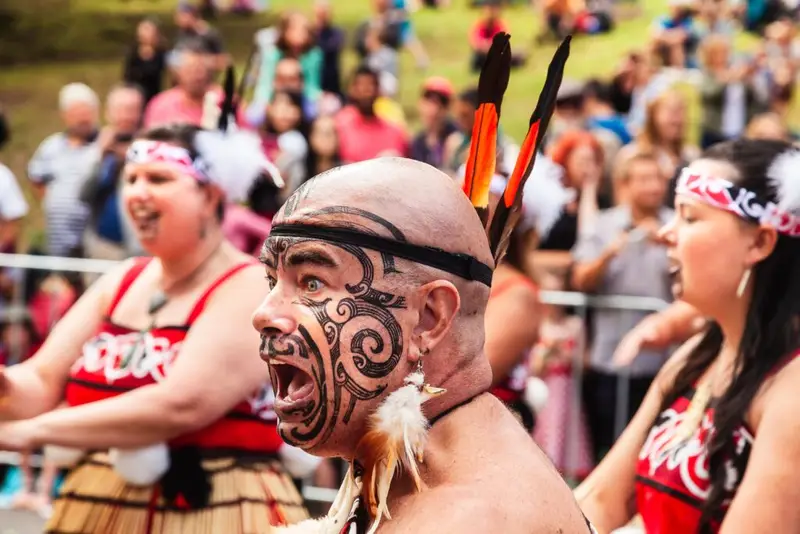
New Zealand is unlike almost anywhere else in the world. Because of its long geographic isolation, the country is home to wildlife found nowhere else on Earth. And in a single trip, you can experience remarkably different landscapes—from geothermal areas and volcanic valleys to alpine mountains, turquoise lakes, fjords, and beaches.
If you’re looking for a two-week New Zealand itinerary for a first-time visit, you’re in the right place. I’ve designed this itinerary to give you the best of both islands: the must-see sights you shouldn’t miss and a logical route that keeps unnecessary backtracking to a minimum.
The North Island is known for its Māori culture, geothermal wonders, and volcanic landscapes, while the South Island is famous for its dramatic mountains, turquoise lakes, glaciers, and fjords.
In addition to the daily itinerary, you’ll find practical transportation tips, hotel recommendations for different budgets, highly rated restaurant suggestions for every meal, and carefully selected tours to help you make the most of your two weeks in New Zealand.
Some links on this page are affiliate links. If you book through them, I may earn a small commission at no extra cost to you.
Quick Facts About Traveling to New Zealand
- Best time to visit New Zealand: December–February offers the warmest weather and is ideal for outdoor activities. March–May and September–November can bring pleasant weather and fewer crowds. Winter (June–August) is best for skiing and snow activities. Plan your New Zealand trip accordingly.
- Official language: English is the most widely spoken language. Māori and New Zealand Sign Language are also official languages.
- Currency: New Zealand uses the New Zealand dollar (NZD / $). Cards are widely accepted, but carrying some cash is still useful.
- Is New Zealand safe for tourists? Yes, New Zealand is generally a safe destination. Take normal precautions and pay particular attention to weather and road conditions when hiking or driving.
- Main religion: New Zealand has no official religion. No religion is now the largest religious affiliation, with 51.6% of the population reporting no religion in the 2023 Census. Christianity remains the largest religious tradition among those identifying with a religion, at 32.3%.
- Ideal trip duration: Two weeks in New Zealand is a good amount of time for a first visit, allowing you to experience highlights across both islands without trying to cover the entire country.
- New Zealand travel budget: New Zealand can be relatively expensive, especially for accommodation, transportation, and activities. Booking popular hotels, tours, and transportation in advance can help with availability and sometimes price. For general cost estimates, see Cost of Living in New Zealand.
Must-Try Foods in New Zealand
New Zealand’s food scene combines Māori traditions, British influences, and modern Pacific cuisine. From fresh seafood and locally sourced meat to iconic baked treats, these are some foods worth trying on your first New Zealand road trip:
- Hāngī: A traditional Māori cooking method where meat, vegetables, and other foods are slow-cooked in an earth oven. It is one of the best ways to experience an important part of Māori food culture.
- Green-Lipped Mussels: New Zealand is famous for its large green-lipped mussels. They are commonly steamed, grilled, or served in seafood dishes.
- Fish & Chips: A popular Kiwi comfort food, usually made with battered fish and served with chips. Look for fresh local fish such as hoki, snapper, or blue cod.
- New Zealand Lamb: New Zealand is well known for its lamb. You’ll find it served in restaurants in dishes ranging from simple grilled cuts to slow-cooked preparations.
- Whitebait Fritters: A classic New Zealand specialty made with tiny native whitebait fish, traditionally combined with egg and lightly cooked as a fritter. They are particularly associated with the South Island.
- Meat Pies: A popular New Zealand snack consisting of flaky pastry filled with savory fillings such as minced beef, steak, chicken, or vegetables. Bakeries throughout the country are a good place to try them.
- Pavlova: A famous dessert made with a crisp meringue shell, soft marshmallow-like center, and fresh fruit, usually topped with whipped cream.
- Hokey Pokey Ice Cream: One of New Zealand’s best-known ice cream flavors, combining vanilla ice cream with pieces of honeycomb toffee.
- Feijoa: This fragrant green fruit is particularly popular in New Zealand. When in season, try it fresh or look for it in smoothies, desserts, or baked goods.
- Flat White: New Zealand has a strong café culture, and the flat white is one of the country’s most recognizable coffee drinks. It is made with espresso and steamed milk with a thin layer of microfoam.

How to Get to New Zealand
If you’re planning a New Zealand travel itinerary, one of the first decisions to make is where to fly. New Zealand has several international airports, but for a first-time trip covering both islands, Auckland (AKL) and Christchurch (CHC) are the main airports to consider.
- Auckland: New Zealand’s largest international gateway and a convenient starting point for exploring the North Island. It works particularly well if your itinerary includes Auckland, Hobbiton, Rotorua, and other North Island highlights.
- Christchurch: The main international gateway to the South Island and a convenient option if you want to begin your trip in the south. It provides good access to destinations such as Lake Tekapo, Aoraki/Mount Cook, and the Southern Alps.
- Queenstown: Queenstown Airport has international flights, primarily to Australia, as well as extensive domestic connections. For travelers arriving from North America, Auckland is generally the main international gateway to consider, while Christchurch can be useful for a South Island-focused itinerary.
New Zealand is well connected to major cities in Australia, Asia, and North America. Once you’re in the country, domestic flights can be useful for covering long distances between the islands and major regions.
How to Get Around New Zealand
Getting around New Zealand is relatively straightforward. Rental cars, intercity buses, domestic flights, ferries, and local public transportation are the main options. Taxis and Uber are also available in most major cities and tourist destinations.
1. Rental Cars
For a convenient New Zealand road trip, renting a car makes it easier to explore New Zealand’s scenic areas, especially the South Island. Consider these suppliers: Avis, Budget, Hertz, and Europcar.
- New Zealand drives on the left.
- Roads are generally well maintained, but many routes are winding or mountainous, so journeys can take longer than the distance suggests.
- You don’t necessarily need a car for the entire trip—renting one only for the regions where you need more flexibility can save money.
2. Intercity Buses
InterCity is New Zealand’s main nationwide coach network and connects many popular destinations, including Auckland, Rotorua, Taupō, Christchurch, and Queenstown.
Buses can be a good alternative to driving, although services are less frequent in remote areas.
3. Domestic Flights
Domestic flights are useful when covering long distances or traveling between the North and South Islands.
Air New Zealand operates the most extensive domestic network, while Jetstar also operates selected domestic routes. Domestic flights connect major cities and tourist destinations such as Auckland, Rotorua, Christchurch, Wellington, and Queenstown.
4. Ferries
The Interislander and Bluebridge ferries connect Wellington on the North Island with Picton on the South Island.
The crossing takes around 3–3.5 hours and is a scenic way to travel between the islands. Both services accommodate vehicles.
5. Taxis & Uber
Taxis and Uber are available in major cities and popular tourist destinations such as Auckland, Rotorua, Christchurch, and Queenstown. They are useful for airport transfers, evenings, or short journeys when public transportation isn’t convenient.
However, availability is more limited in remote areas, so don’t rely on Uber or taxis for places such as Aoraki/Mount Cook or Milford Sound.
6. Trains
New Zealand doesn’t have an extensive intercity passenger rail network. Its main tourist trains—the Northern Explorer, TranzAlpine, and Coastal Pacific—are scenic experiences rather than practical ways to get around during a two week New Zealand itinerary.
7. Public Transportation
It’s available in the major cities.
- Auckland: Extensive bus, train, and ferry network.
- Christchurch: Local bus network covering the city and surrounding areas.
- Queenstown: Local bus services are useful for getting around the town and airport.
- Rotorua & Taupō: Local buses are available, but many attractions outside the town centers are easier to reach by car, shuttle, or tour.
- Wānaka & Te Anau: Local transportation is more limited, so don’t expect the same level of service as in Auckland or Christchurch.
- Lake Tekapo & Aoraki/Mount Cook: There is no comprehensive local public-transport network; use intercity coaches, shuttles, tours, or a rental car.
8. Best Option for This 14 Day New Zealand Itinerary
- Auckland: Use public transportation for sightseeing; you don’t need a car in the city.
- Auckland → Rotorua → Taupō: Intercity buses and domestic flights are available, but a rental car gives you greater flexibility for attractions outside the town centers.
- Christchurch: Public transportation is sufficient for sightseeing in the city.
- Lake Tekapo → Aoraki/Mount Cook → Wānaka → Queenstown: A rental car is the most convenient option because public transportation is limited and the destinations are spread out.
- Queenstown: You can return your rental car and use buses, taxis, or Uber for local transportation and your airport transfer.
- Milford Sound: Use an organized tour, shuttle, or drive from Te Anau/Queenstown rather than expecting local public transportation.
Part 1: New Zealand North Island Itinerary
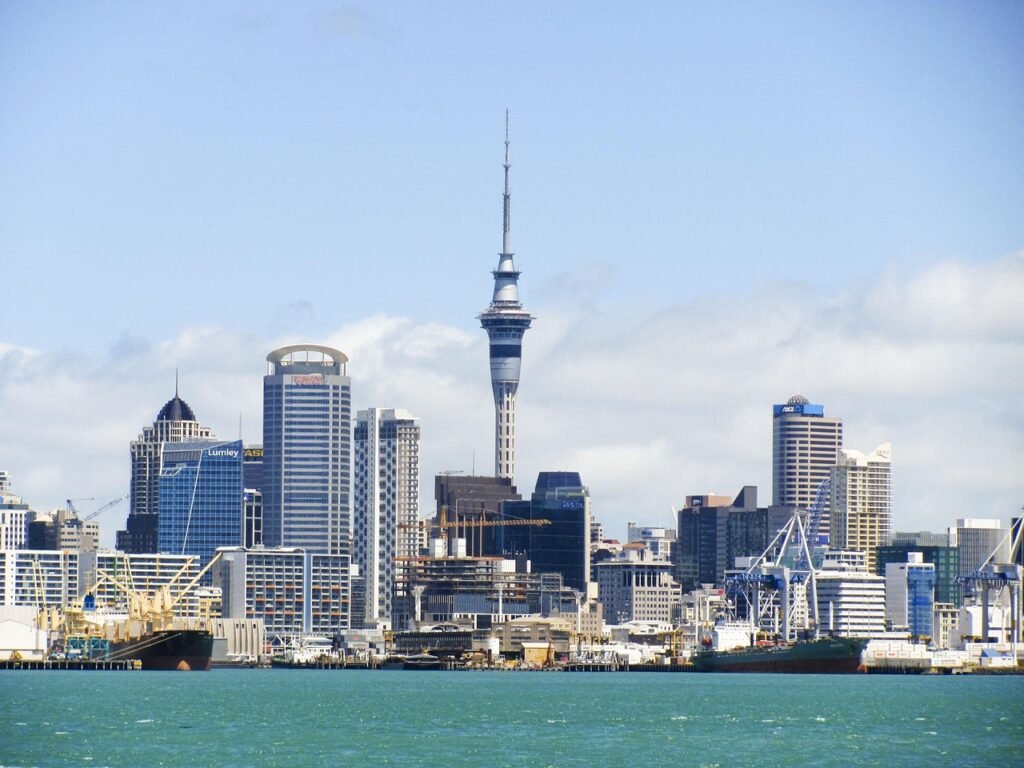
Day 1 – Welcome to Auckland
Morning
Auckland Airport → Hotel → Rest & Recover
Welcome to Auckland! Start your 14-day New Zealand Itinerary at Auckland Airport (AKL), then head directly to your hotel in the Auckland CBD. After a long international flight, keep the morning intentionally light: check in if your room is ready, leave your luggage, shower, hydrate, and give yourself time to recover from jet lag.
Transport Options:
- SkyDrive: The airport bus connects Auckland Airport with the CBD and is a convenient option if you’re staying centrally.
- Taxi or rideshare: A more comfortable choice if you’re traveling with several bags or arriving tired after a long-haul flight.
- Private transfer: For a more comfortable arrival, especially if you have luggage or land late, consider booking a private transfer with Welcome Pickups or Get Your Guide. Your driver will meet you at arrivals and take you directly to your hotel.
There is no need to start sightseeing immediately. Your priority today is getting some daylight, staying hydrated, and adjusting to New Zealand time.
Afternoon
Viaduct Harbour → Wynyard Quarter
Once you’ve rested, take a gentle walk around Viaduct Harbour and Wynyard Quarter, two waterfront areas that are easy to explore without making your first day exhausting.
Viaduct Harbour is surrounded by restaurants, cafés, and waterfront views, while Wynyard Quarter offers a more relaxed atmosphere with open public spaces and views across the Waitematā Harbour. Grab a coffee or a relaxed meal, enjoy some fresh air and daylight, then return to your hotel if you need more rest.
If you arrive early and feel well-rested: You can add Sky Tower for panoramic views of Auckland. Alternatively, take a short walk through Auckland Domain. There is no need to do both.
Evening
Easy dinner → Early night
Keep your first evening simple with dinner close to your hotel. If you still have some energy, take a short evening walk around the CBD or waterfront before heading back.
After a long flight, don’t try to force a full day of sightseeing. An early night will help you adjust to the time difference and leave you ready for your first proper day of exploring New Zealand tomorrow.
Where to stay in Auckland
Hotel/Neighborhood Tip:For first-time visitors, Auckland City Centre (CBD) is the most convenient area to stay, particularly around Britomart, the waterfront, or lower Queen Street. You’ll be close to the ferry terminal, public transport, restaurants, shops, and major attractions such as the Sky Tower and Auckland Art Gallery. If you prefer a more local, café-filled atmosphere, Ponsonby is a good alternative, while Parnell offers a quieter central setting.
Hotel options across budgets:
- Budget-Friendly: Auckland City Hotel offers a convenient central location and comfortable rooms, while LyLo Auckland provides a modern, affordable stay in the heart of the city.
- Mid-Range: Hotel Grand Chancellor Auckland offers a comfortable central base close to the waterfront, while Avani Auckland Metropolis Residences features spacious apartment-style accommodation in a convenient downtown location.
- Luxury: The Hotel Britomart Auckland combines stylish design with a prime Britomart location, while Hotel DeBrett offers a distinctive boutique stay in the heart of Auckland.
Recommended experiences in Auckland
- Auckland: Sky Tower Admission Ticket : For a memorable introduction to Auckland, this is an easy-to-add experience, especially around sunset or on a clear day.
- Auckland: Night Kayaking with Bioluminescent Plankton : Paddle through Auckland’s dark coastal waters after sunset and watch bioluminescent plankton glow around your kayak with every movement.
Where to eat
- Restaurants: Baduzzi, The Conservatory, Swashbucklers Restaurant & Bar
Day 2 – Auckland → Hobbiton → Rotorua
Morning
Auckland → Hobbiton Movie Set
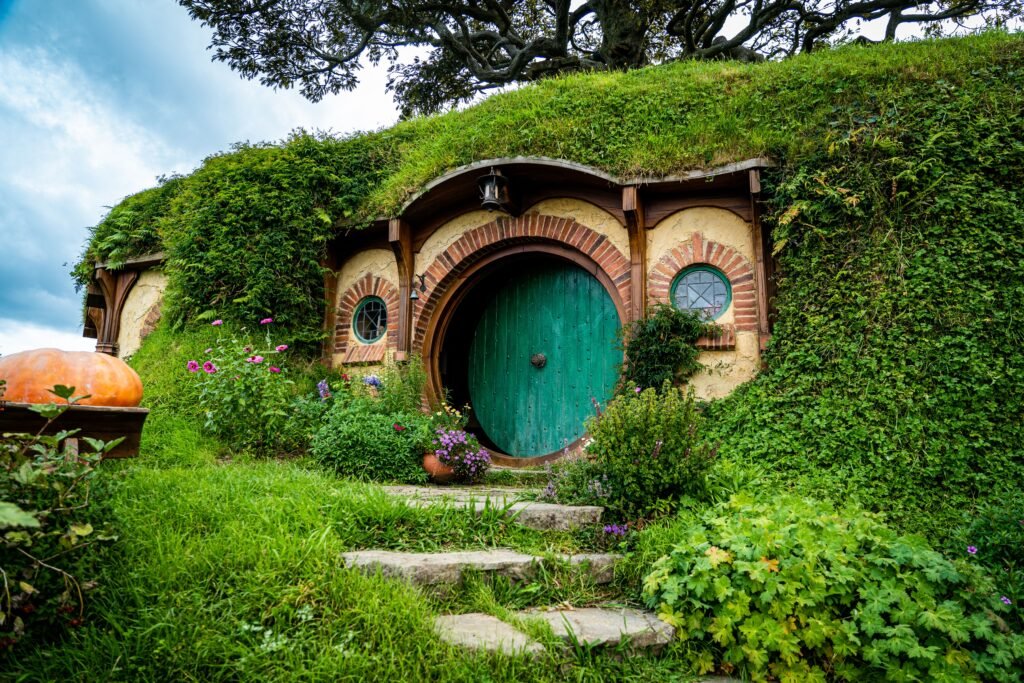
Pick up your rental car in Auckland and drive south through the green hills of the Waikato region to Hobbiton Movie Set, the famous filming location from The Lord of the Rings and The Hobbit.
Join a guided tour through the Shire, seeing Hobbit Holes, the Mill, and the Green Dragon Inn.
🎟️ Booking: Hobbiton tours have scheduled departure times, so advance booking is recommended.
🚗 Drive time: 2 hours to 2 hours and 30 minutes
Afternoon
Hobbiton → Rotorua
After Hobbiton, continue to Rotorua, your base for the next three nights. The drive is relatively short, so you’ll have time to arrive and settle in without rushing.
Optional: Adding Waitomo is possible but creates a considerably longer sightseeing day and reduces time in Rotorua.
🚗 Drive time: 1 hour to 1 hour and 30 minutes
Evening
Arrive in Rotorua → Relax
Check into your hotel and keep the evening easy. Take a short walk around Lake Rotorua or the city center, have dinner, and rest before tomorrow’s Rotorua sightseeing.
Where to stay in Rotorua
Hotel/Neighborhood Tip: For first-time visitors, Rotorua City Centre is the most convenient area to stay, putting you close to restaurants, cafés, shops, the Lake Rotorua waterfront, Government Gardens, Polynesian Spa, and public transport. It is particularly practical if you are not renting a car.
Hotel options across budgets:
- Budget-Friendly: Urban Lounge Sleepery offers a simple, affordable stay with a convenient location, while Six on Union Motel provides comfortable rooms and good value for exploring Rotorua.
- Mid-Range: Regal Palms Resort offers spacious, well-equipped accommodation with resort-style facilities, while Aura Accommodation provides comfortable rooms and a convenient location near Rotorua’s main attractions.
- Luxury: On the Point – Lake Rotorua offers an upscale lakeside retreat with beautiful views, while Black Swan Lakeside Boutique Hotel combines boutique style with a peaceful waterfront setting.
Recommended experiences in Rotorua
- Rotorua: Te Pa Tū Māori Cultural Experience with Dinner: Immerse yourself in Māori traditions with an unforgettable evening in Rotorua. Surrounded by towering forest trees and firelight, enjoy powerful performances, chants, and storytelling guided by the Maramataka lunar calendar. Savor a seasonal four‑course feast crafted by award‑winning Māori chefs in a magical al fresco setting.
- Te Puia: Indigenous Evening Experience — Haka & Dinner: Enjoy a powerful Māori cultural performance in Rotorua’s carved meeting house, followed by a walk to the mighty Pōhutu Geyser with hot chocolate. End the night with a traditional hāngī buffet overlooking the geothermal wonderland at Pātaka Kai Restaurant.
- Rotorua: Glowworm Kayak Tour: Begin with a scenic shuttle past Rotorua’s iconic Redwoods before paddling into twilight. As night falls, glide into hidden caves lit by galaxies of glowworms, then return under a sky filled with stars and the Milky Way — an unforgettable adventure on the lake.
- Hell’s Gate Mud Bath & Walk : Experience New Zealand’s historic geothermal wonders! Walk through spectacular landscapes, then relax in healing thermal mud and soothing sulfur waters used by Māori for over 800 years.
- Wai-O-Tapu Geothermal Park Ticket:Explore New Zealand’s most iconic volcanic wonderland! Walk past the vibrant Champagne Pool, see the daily eruption of the Lady Knox Geyser, and witness the raw power of nature in motion.
Where to eat
- Breakfast: Odettes Eatery, Best Ugly Bagels
- Lunch: The Shire’s Rest Cafe
- Dinner: Atticus Finch, Number 8 Wire Cafe & Restaurant
Day 3 – Redwoods, Geothermal Wonders & Māori Culture
Morning
Redwoods / Whakarewarewa Forest
Start with a peaceful walk through Redwoods / Whakarewarewa Forest, surrounded by towering redwoods and lush vegetation. Choose a short trail so you have plenty of energy for the rest of the day.
Afternoon
Wai-O-Tapu Thermal Wonderland
Head to Wai-O-Tapu Thermal Wonderland to experience Rotorua’s volcanic landscape. Walk through the geothermal area to see colorful thermal pools, steaming craters, mud pools, and other volcanic formations.
🎟️ Booking: Check the current opening hours and allow around 1.5–2 hours for the main geothermal walk.
Alternative: If you’d rather combine geothermal scenery with Māori heritage, Te Puia is another strong option and can replace Wai-O-Tapu.
Evening
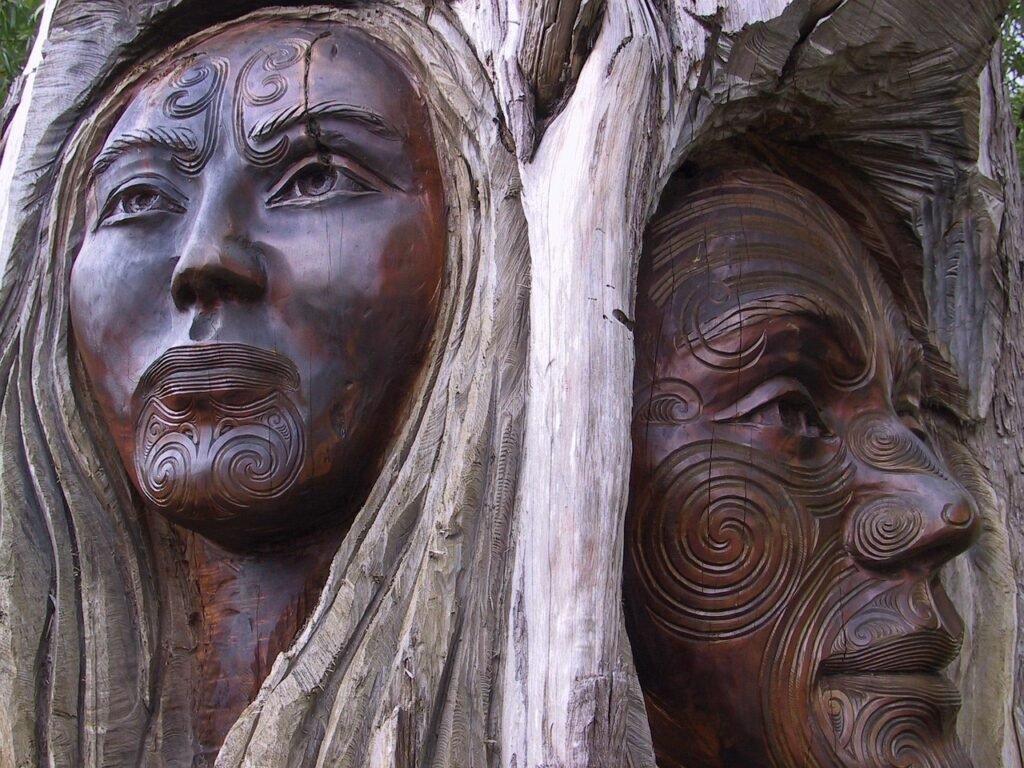
Māori Cultural Experience & Hāngī Dinner
Spend the evening at a Māori cultural experience, learning about Māori traditions through performances and storytelling before enjoying a traditional hāngī-style dinner.
🎟️ Booking: Advance booking is recommended.
Where to eat
- Breakfast: Eastwood
- Lunch: Waiotapu Tavern
- Dinner: Ali Baba’s Tunisian Cuisine, El Mexicano Zapata Cantina
Day 4 – Rotorua → Huka Falls → Lake Taupō → Rotorua
Morning
Rotorua → Huka Falls → Lake Taupō
Drive south from Rotorua to Huka Falls, where the Waikato River rushes through a narrow gorge. Continue to Lake Taupō and enjoy the scenery around New Zealand’s largest lake.
🚗 Drive time: about 1 hour and 20 minutes from Rotorua to Huka Falls, plus 10–15 minutes to Lake Taupō
Afternoon
Lake Taupō → Rotorua
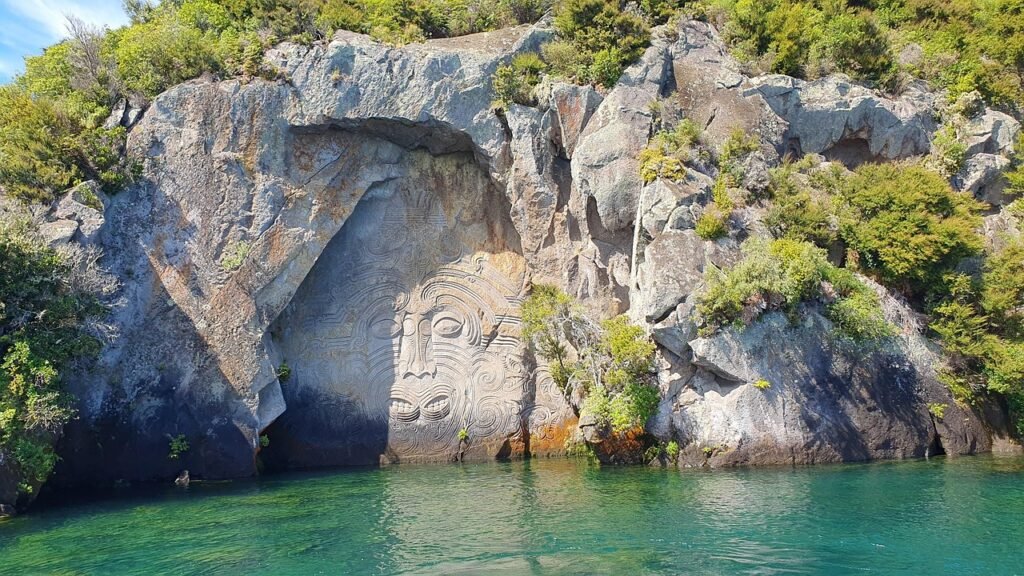
Spend a relaxed afternoon by the lake. If you want a longer experience on Lake Taupō, consider a cruise to the Ngātoroirangi Māori Rock Carvings.
While this involves some backtracking, returning to Rotorua makes the next day’s flight to Christchurch more straightforward, as Air New Zealand operates flights between Rotorua and Christchurch.
🚗 Drive time: 1 hour to 1 hour and 30 minutes
Evening
Rotorua → Relaxed Evening
Return to Rotorua, have dinner, and get an early night before tomorrow’s flight.
Where to eat
- Breakfast: Le Cafe De Paris, Ciabatta Cafe & Bakery
- Lunch: Suncourt Indian, Roquette Restaurant and Bar
- Dinner: The Fat Brother Rotorua, Capizzi Wood Fired Pizzeria
Part 2: New Zealand South Island Itinerary
Day 5 – Rotorua → Christchurch — Begin Exploring the South Island
Morning
Rotorua → Christchurch
Head to Rotorua Airport (ROT) for your direct flight to Christchurch (CHC). Flying from Rotorua can be a more practical option for this itinerary if a suitable direct service is available, as it avoids an unnecessary connection from Taupō.
Once you arrive, pick up your South Island rental car and check into your Christchurch accommodation.
Transport options :
- Baybus (Route 10): The local bus runs between downtown and the airport terminal, taking about 40 minutes. The fare is ~$1.50 (or $2.50 NZD) cash paid to the driver.
- Ride-Hailing Apps (Uber): Uber operates in Rotorua for on-demand airport trips, taking about 10 minutes. Fares usually range from ~$15.00 to ~$22.00 depending on time of day.
- Official Taxis: Metered taxis are available 24/7. Major providers like Rotorua Taxis offer a special fixed airport flat rate if requested, costing roughly ~$24.00 (or $40.00 NZD) per ride.
- Shared Airport Shuttles: Services like Ready2Roll Tours and Transfers offer door-to-door shared airport rides. Prices start around ~$13.00–$16.00 for a single traveler, with cheaper combined rates for groups.
Afternoon
Christchurch → Settle In
Keep the afternoon relaxed after the flight. Explore the city center, grab lunch or coffee, and take some time to settle in.
If your flight arrives early and you have energy, add the Christchurch Botanic Gardens to the city center exploration.
Evening
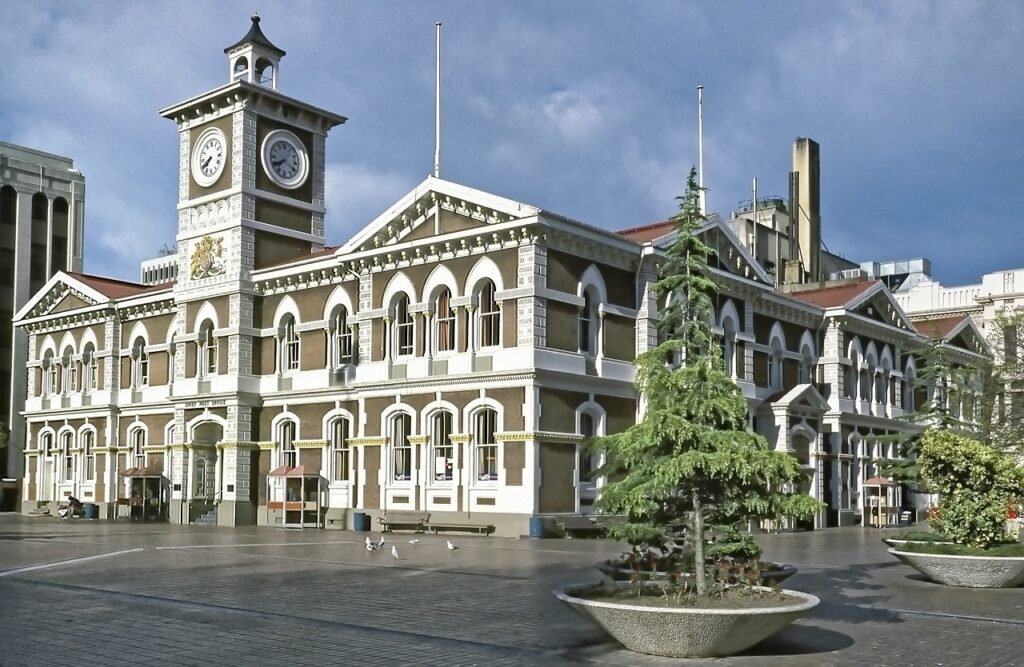
Cathedral Square → Riverside Market
Take a relaxed walk through Cathedral Square and continue toward the Riverside Market area for dinner.
Where to stay in Christchurch
Hotel options across budgets: Christchurch City Centre is the most convenient area to stay, putting you close to Cathedral Square, the Avon River, Riverside Market, the Christchurch Botanic Gardens, and many restaurants and cafés. It is also a convenient base for exploring the city before continuing your South Island road trip.
- Budget-Friendly: Urbanz offers budget rooms and dorms right in central Christchurch, while BreakFree on Cashel provides modern, compact rooms in the heart of the CBD.
- Mid-Range: The Grange B&B offers a historic B&B stay close to central Christchurch, while The Observatory Hotel Christchurch provides a boutique stay in the central city.
- Luxury: Hotel Montreal offers an upscale boutique-style stay near Hagley Park, while The Mayfair combines boutique accommodation with a central Christchurch location.
Where to eat
- Restaurants: Twenty Seven Steps, King of Snake
Day 6 – Christchurch → Lake Tekapo — Lake, Church & Stargazing
Morning
Christchurch → Lake Tekapo
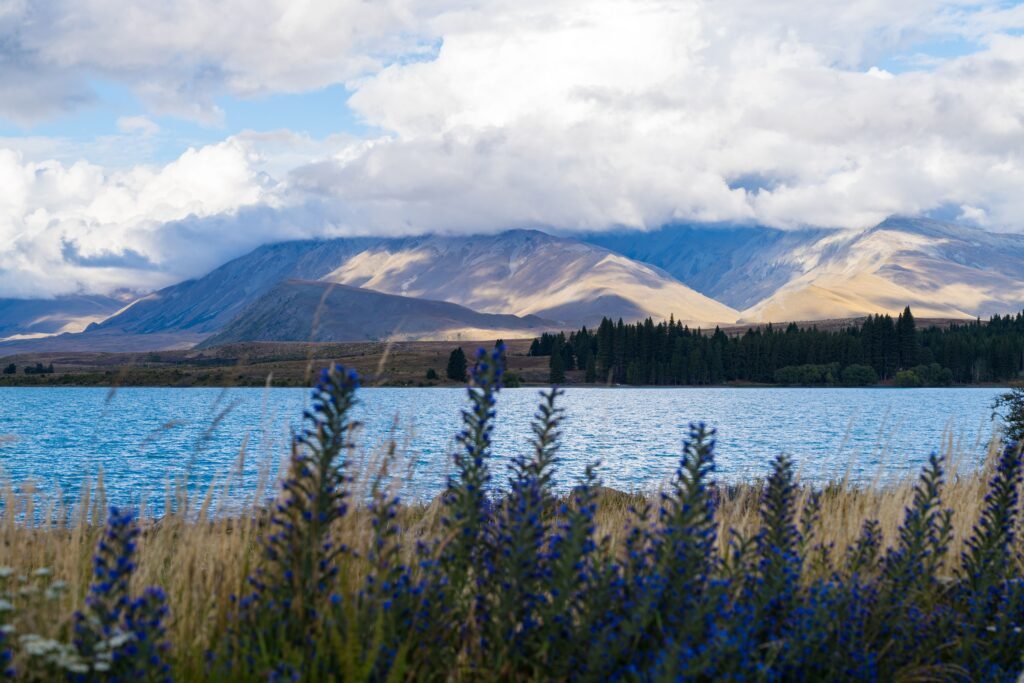
Leave Christchurch and drive across the Canterbury Plains toward the South Island’s high country. The journey takes around 3 hours, with beautiful mountain scenery appearing as you approach Lake Tekapo.
🚗 Drive time: 3 hours to 3 hours and 30 minutes
Afternoon
Lake Tekapo → Church & Lakeshore
Explore the turquoise waters of Lake Tekapo and visit the iconic Church of the Good Shepherd, one of the area’s most photographed landmarks. Take a relaxed walk along the lakeshore and enjoy the surrounding mountain views.
Evening
Lake Tekapo → Stargazing
After sunset, experience the incredible night sky within the Aoraki Mackenzie International Dark Sky Reserve, one of the world’s premier stargazing destinations. Consider this Lake Tekapo Stargazing Experience .
🎟️ Booking: If you’d like a guided stargazing experience, advance booking is recommended, especially during peak travel periods.
Where to Stay in Lake Tekapo
Hotel/Neighborhood Tip: Lake Tekapo village is the most convenient area to stay, particularly if you want to explore the lakefront and Church of the Good Shepherd on foot. Many accommodations are within walking distance of the village centre, although some properties are farther out and are more convenient with a car.
Hotel options across budgets:
- Budget-Friendly: The Godley Hotel offers affordable, comfortable accommodation in central Lake Tekapo, within walking distance of the lake and Church of the Good Shepherd, while Burkes Pass Country Motels provides cozy, self-contained accommodation in the Mackenzie Country.
- Mid-Range: Infinity Lakeview is a spacious four-bedroom, two-bathroom property with lake views, while Grand Suites Lake Tekapo offers modern, self-contained suites with kitchenettes and secure parking.
- Luxury: Mt Cook Lakeside Retreat offers private luxury villas overlooking Lake Pukaki with Aoraki/Mount Cook views, while Isolation Bay is a private five-bedroom lakeside house with panoramic views on the western shore of Lake Tekapo.
Recommended experiences in Tekapo
- Lake Tekapo Springs Day Pass :Soothe your muscles in pure glacial waters while soaking in breathtaking views of Lake Tekapo and the alpine landscape. Relax in heated pools (36.5°C to 38.5°C) and watch the sunset turn into a starlit night over the famous Aoraki Mackenzie International Dark Sky Reserve.
- Lake Tekapo Stargazing Experience : Discover the magic of the Southern night sky in the pollution-free Aoraki Mackenzie Dark Sky Reserve! Spot deep-sky objects through powerful computerized telescopes, listen to captivating Māori legends, and enjoy free professional photos under the stars—complete with cozy blankets, hot chocolate, and fireside roasted marshmallows.
Where to eat
- Breakfast: Quad Eatery, Miro
- Lunch: The Better Batter NZ, TLV Restaurant & Bar
- Dinner: Silver Spoon, Dolce Pizza
Day 7 – Lake Tekapo → Aoraki / Mt Cook — Hooker Valley Track
Morning
Lake Tekapo → Lake Pukaki → Aoraki / Mt Cook
Leave Lake Tekapo and drive toward Aoraki / Mount Cook, following the shores of brilliant blue Lake Pukaki. Stop at one of the viewpoints along the way to take in the Southern Alps and Aoraki, New Zealand’s highest mountain.
Continue to Mount Cook Village, where you’ll begin exploring the national park.
🚗 Drive time: 1 hour and 30 minutes to 2 hours
Afternoon
Hooker Valley Track
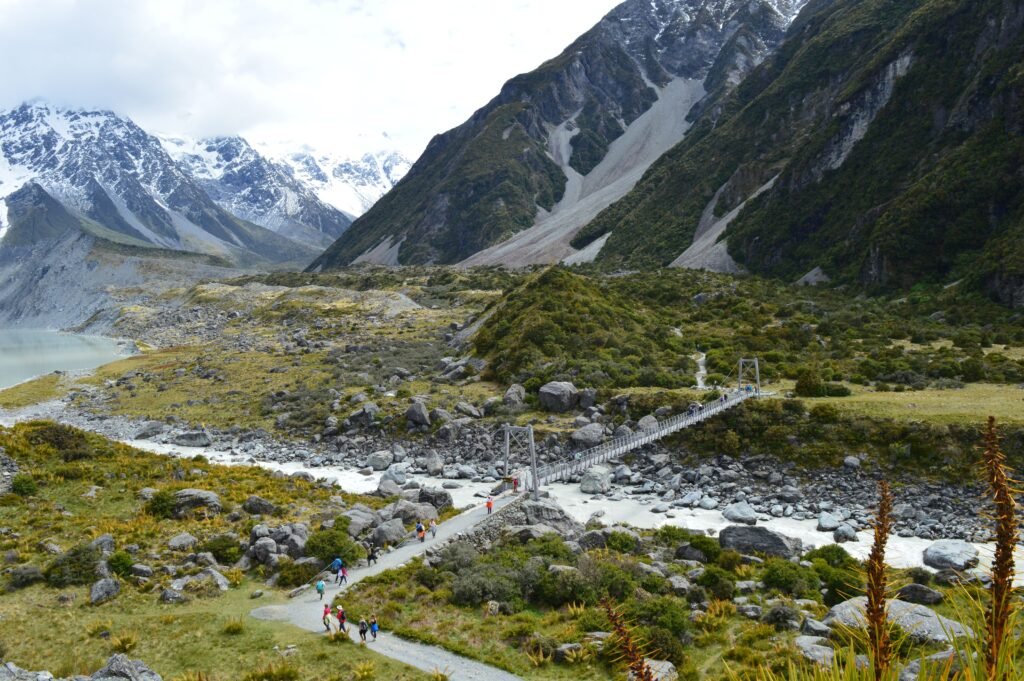
Hike the famous Hooker Valley Track, one of the South Island’s most scenic walks. The relatively easy trail crosses suspension bridges and follows the Hooker River toward Hooker Lake, with dramatic views of glaciers and Aoraki / Mount Cook along the way.
Check current track conditions before setting out, as weather, maintenance, or seasonal conditions can affect access.
Evening
Mount Cook Village → Relax
Return to the village and enjoy a quiet evening surrounded by the Southern Alps. After the hike, keep dinner and the rest of the evening relaxed.
Where to Stay in Aoraki / Mount Cook Village
Hotel/Neighborhood Tip: For first-time visitors, Aoraki / Mount Cook Village is the best place to stay if you want to explore Aoraki / Mount Cook National Park. Staying in the village puts you close to the park’s hiking trails, visitor centre, and scenic viewpoints, and avoids having to drive back to Lake Tekapo after a full day of exploring.
Hotel options across budgets:
- Mid-Range: Haka House Hostels Aoraki Mt Cook offers dorms and private rooms with a communal kitchen, laundry facilities, and parking in the heart of Aoraki/Mt Cook Village.
- Luxury: Aoraki Court Motel offers spacious, modern studio and two-bedroom units with kitchenettes, mountain views, and options including spa baths.
Where to eat
- Breakfast: The Greedy Cow Cafe, Little Fool Bakery
- Lunch: Alpine Restaurant
- Dinner: Chamois Bar & Grill
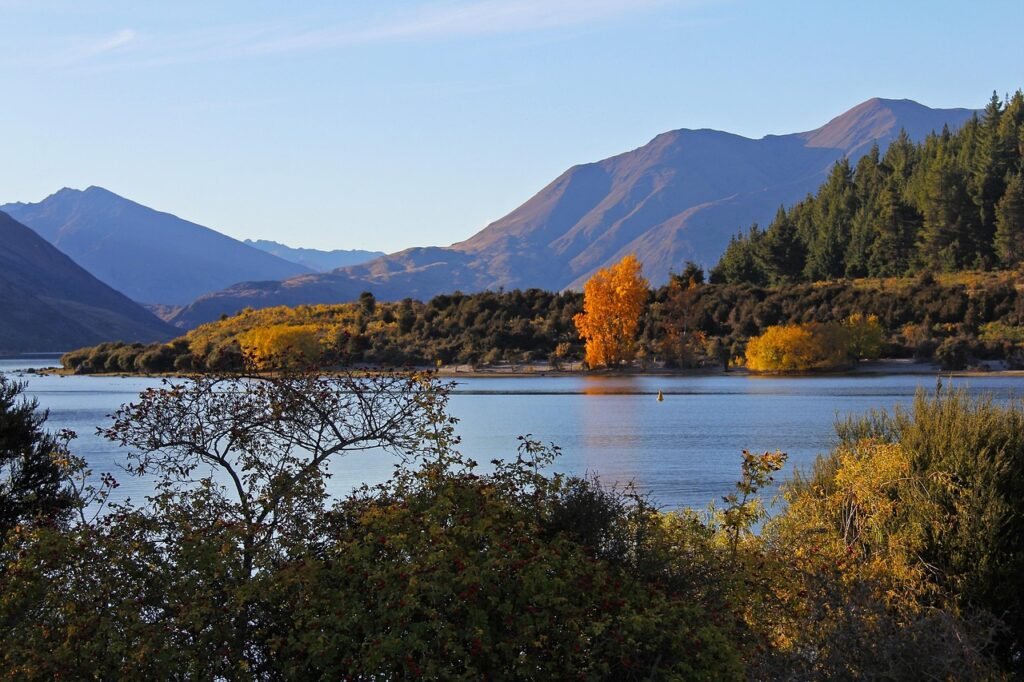
Day 8 – Aoraki / Mt Cook → Wānaka — Alpine Scenery & Lindis Pass
Morning
Aoraki / Mt Cook → Lindis Pass → Wānaka
Leave Mount Cook Village and drive toward Wānaka, passing through the dramatic landscapes of Lindis Pass. Stop at one of the viewpoints to admire the golden hills and winding road through the Southern Alps.
🚗 Drive time: 2 hours and 30 minutes to 3 hours
Afternoon
Arrive in Wānaka → Lake Wānaka
Continue to Wānaka, a relaxed lakeside town surrounded by mountains. After checking in, head to the waterfront and walk along Lake Wānaka.
Stop at the famous #ThatWanakaTree, then continue along the waterfront or simply enjoy some free time in town.
Evening
Wānaka Waterfront → Relaxed Evening
Enjoy dinner in town and a relaxed evening by the lake. Wānaka is a great place to slow down before continuing to Queenstown tomorrow.
Where to Stay in Wānaka
Hotel/Neighborhood Tip: For first-time visitors, Wānaka town centre and the lakefront are the most convenient areas to stay, putting you close to Lake Wānaka, the lakefront walking paths, restaurants, cafés, and shops. You can easily explore the central area on foot, which is especially useful after driving from Aoraki / Mount Cook.
Hotel options across budgets:
- Budget-Friendly: Haka House Wānaka offers dorms and private ensuite rooms with a communal kitchen and lake-view spaces, while Te Wanaka Lodge provides a smaller lodge-style stay close to central Wānaka.
- Mid-Range: Edgewater Hotel offers rooms, suites, and apartments in a lakeside setting, while The Moorings Motel and Apartments provides studios and larger apartments overlooking the lake, within walking distance of town.
- Luxury: Clearbrook Motel & Serviced Apartments offers spacious self-catering apartments in central Wānaka, with kitchens, in-room laundry, and mountain views.
Recommended experiences in Wānaka
- Wanaka Waterfall Cable Climb : Climb vertical rock faces and cross suspension bridges right next to the stunning Twin Falls waterfall! This beginner-friendly via ferrata experience provides all safety gear, a small-group guide, and rewarding panoramic views of Lake Wanaka and the surrounding mountains.
- Wanaka Tandem Paragliding Experience:Soar with the birds on a thrilling tandem paragliding flight over Treble Cone! Take in breathtaking aerial views of twin waterfalls, dramatic mountains, and pristine alpine lakes with a professional pilot who will customize the ride from smooth and relaxing to high-energy acrobatics.
Where to eat
- Restaurants: Big Fig Wanaka, Kika
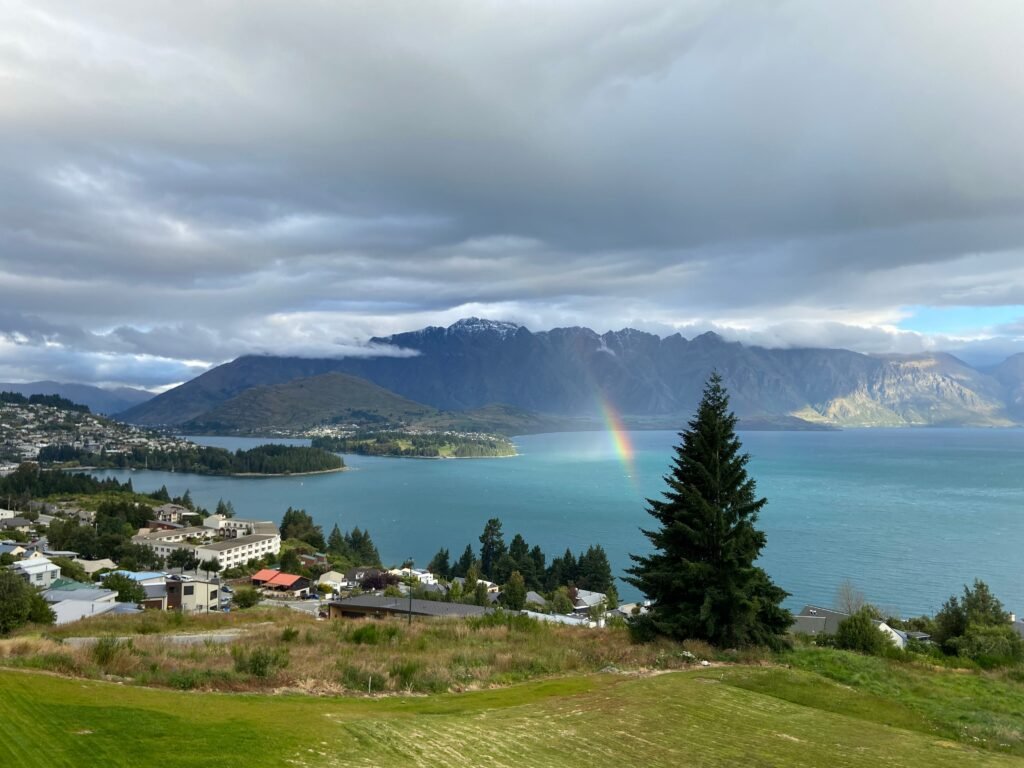
Day 9 – Wānaka → Queenstown — Arrowtown & Lake Wakatipu
Morning
Wānaka → Crown Range Road → Arrowtown
Leave Wānaka and drive toward Queenstown via the scenic Crown Range Road, New Zealand’s highest main sealed road. Stop along the way for panoramic views of the surrounding mountains and valleys.
Driving note: The Crown Range Road is steep and winding, with winter snow and ice possible. If you’re driving between May and September, check road conditions before setting out and make sure your rental car is properly equipped for winter conditions. If you’re uncomfortable with mountain driving, take the alternative route via Cromwell.
Continue to Arrowtown, a charming historic gold-mining village. Walk along the main street, explore the old buildings, and take a short walk along the Arrow River.
🚗 Drive time: about 1 hour 30 minutes to Queenstown, plus time for your Arrowtown stop.
Afternoon
Arrowtown → Queenstown → Lake Wakatipu
Continue to Queenstown and check into your hotel. Spend the afternoon exploring the waterfront around Lake Wakatipu, with views of the surrounding Southern Alps.
Take a relaxed walk along the lakefront or through Queenstown’s compact town center.
Evening
Queenstown Waterfront → Relaxed Evening
Enjoy dinner in Queenstown and take in the atmosphere around the waterfront. Keep the evening relaxed—you’ll have a full day to experience Queenstown tomorrow.
Where to Stay in Queenstown
Hotel/Neighborhood Tip: For first-time visitors, Queenstown town centre is the most convenient area to stay, putting you within walking distance of Lake Wakatipu, the Queenstown Gardens, the Skyline Queenstown gondola, restaurants, cafés, shops, and the main activity and tour departure points. It is also the easiest option if you want to explore Queenstown without relying on a car.
Hotel options across budgets:
- Budget-Friendly: Haka House Queenstown offers affordable shared and private rooms in a central Queenstown location, while Pinewood Queenstown provides a range of budget rooms, cabins, and apartments about a 10-minute walk from the town centre.
- Mid-Range: Crowne Plaza Queenstown by IHG offers a central lakefront location just a minute from Steamer Wharf, while Turner Heights Townhouses provides townhouse-style accommodation with more space and privacy.
- Luxury: Eichardt’s Private Hotel offers luxury accommodation in the heart of Queenstown overlooking Lake Wakatipu, while The Spire Hotel features ten bespoke five-star suites in the city centre.
Recommended experiences in Queenstown
- Queenstown Shotover Jet Boat Experience : Blast through dramatic, narrow canyons on New Zealand’s ultimate adrenaline rush! Experience high-speed rapids, extreme precision driving, and legendary 360-degree spins with exclusive access to the spectacular Shotover River.
- Queenstown 4-Line Zipline Tour : Fly through the native forest canopy on four thrilling ziplines! Build your confidence as the lines get longer and faster, all while enjoying panoramic views of Lake Wakatipu and The Remarkables, paired with fun eco-stories from expert guides.
- Queenstown Tandem Skydive : Take the ultimate leap of faith with a tandem skydive from up to 15,000 feet! Experience a heart-pounding 60-second freefall at 200 km/h over the snow-capped mountains and alpine lakes of the spectacular Wakatipu Basin.
- Kawarau Bridge Bungy Jump : Plunge into history at the world’s first commercial bungy jump site! Leap off the historic Kawarau Bridge in a solo or tandem jump, and choose between a dry finish or a thrilling splash into the glacier-fed Kawarau River.
- Milford Sound Small Boat Cruise : Sail past the iconic Mitre Peak on an intimate small-boat cruise through spectacular fiords! Get close enough to feel the spray of Sterling Falls, spot fur seal colonies, and watch for rare Fiordland crested penguins in one of the world’s most breathtaking natural wonders.
- Queenstown Lord of the Rings Tour : Step into Middle-earth and explore iconic filming locations from The Lord of the Rings! Journey through Skippers Canyon, visit the Ford of Bruinen, stand where the Argonath Pillars once stood, and complete your adventure by posing for photos with authentic replica weapons like Gimli’s axe and Andúril.
- Queenstown Quad Bike Experience : Conquer the off-road trails of Queenstown Hill on a powerful 400cc 4×4 quad bike! Enjoy exclusive access to private tracks, tackle diverse terrains tailored to your skill level, and take in spectacular, unobstructed panoramic views over Queenstown.
- TSS Earnslaw Lake Whakatipu Cruise : Step aboard a living piece of history on a 90-minute cruise across Lake Whakatipu! Explore the century-old TSS Earnslaw steamship, watch stoking crews shovel coal into roaring fires in the engine room, and enjoy a drink from the on-board café while soaking in spectacular alpine views.
Where to eat
- Breakfast: Big Fig Wanaka, Curbside Coffee & Bagels
- Lunch: FINZ Seafood & Grill, Bella Cucina
- Dinner: Blue Kanu, Fergburger
Day 10 – Queenstown — Adventure & Scenic Highlights
Morning
Queenstown Waterfront → Queenstown Gardens
Start the day with a relaxed walk along the Queenstown waterfront, then continue into Queenstown Gardens. Enjoy the lake and mountain views without rushing into a major activity.
Afternoon
Choose One: Queenstown’s Signature Experience
Pick one major Queenstown experience for the afternoon:
- Skyline Gondola: Ride above Queenstown for panoramic views over the town, Lake Wakatipu, and surrounding mountains.
- Shotover Jet: Opt for a more adrenaline-filled experience with a high-speed jet boat ride through the Shotover River canyon.
- Lake Wakatipu cruise — best if you want something scenic and low-key.
🎟️ Booking: These experiences are popular, so advance booking is recommended.
Evening
Lake Wakatipu → Queenstown Town Center
Slow down with an evening walk along Lake Wakatipu, then explore Queenstown’s compact town center before dinner.
Where to eat
- Breakfast: Brunch On Church, Balls and Bangles
- Lunch: Farelli’s by Giovi, Margo’s Queenstown
- Dinner: Japanese Cuisine Kappa, Bespoke Kitchen
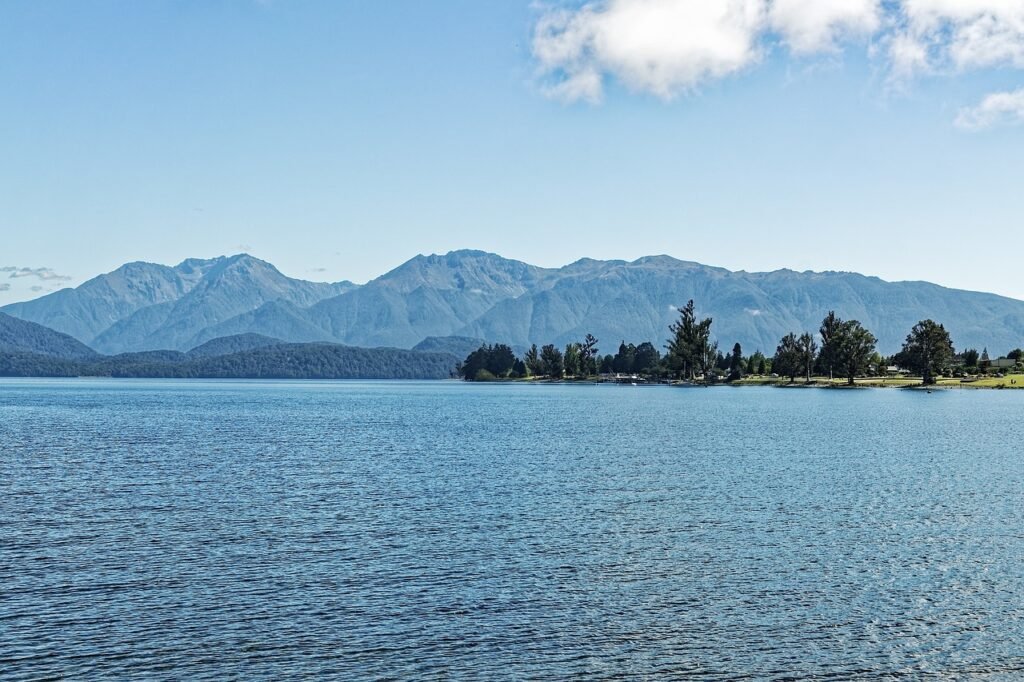
Day 11 – Queenstown → Te Anau — Gateway to Fiordland
Morning
Queenstown → Te Anau
Leave Queenstown and drive south toward Te Anau, passing through the Southland countryside and along the southern end of Lake Wakatipu.
Check into your accommodation and settle in after the drive.
🚗 Drive time: 2 hours to 2 hours and 30 minutes
Afternoon
Lake Te Anau → Relax or Glowworm Caves
Spend a relaxed afternoon exploring the shores of Lake Te Anau, the largest lake in the South Island by surface area and the gateway to Fiordland National Park.
If you’d like an additional experience, take a guided boat tour to the Te Anau Glowworm Caves. Otherwise, keep the afternoon free to relax before tomorrow’s Milford Sound excursion.
🎟️ Booking: Glowworm cave tours should be booked in advance, particularly during busy periods.
Evening
Te Anau → Relaxed Evening
Enjoy a quiet evening in Te Anau and have an early dinner. Tomorrow is an early start for Milford Sound, so keep the evening restful.
Where to Stay in Te Anau
Hotel/Neighborhood Tip: For first-time visitors, Te Anau town centre and the lakefront are the most convenient areas to stay, putting you close to Lake Te Anau, restaurants, cafés, shops, and the main tour operators. The town is compact, so many central accommodations are within easy walking distance of the waterfront and dining options.
Hotel options across budgets:
- Budget-Friendly: Te Anau TOP 10 Holiday Park offers a range of affordable accommodation from campsites to cabins and self-contained units, while Arran Motel provides comfortable motel accommodation close to Te Anau’s lakefront and town centre.
- Mid-Range: Te Anau Lodge offers a peaceful lodge stay in a restored 1936 former convent with lake and mountain views, while Lakefront Lodge provides modern accommodation just steps from Lake Te Anau.
- Luxury: Radfords on the Lake offers five-star lakefront apartments with views of Lake Te Anau and the surrounding mountains, while Fiordland Lodge provides an upscale lodge experience surrounded by Fiordland scenery.
Recommended experiences in Te Anau
- Lake Te Anau Cruise & Guided Walk : Cruise across the pristine waters of Lake Te Anau to the spectacular South Fiord! Explore ancient, hidden forests on a guided nature walk, then relax on board with complimentary premium canapés and drinks surrounded by New Zealand’s untouched wilderness.
- Milford Sound Tour from Te Anau : Journey through the heart of Fiordland National Park on a scenic small-group road trip from Te Anau! Enjoy regular photo stops along a glacier-carved route, embark on a 1.75-hour nature cruise past towering waterfalls, and customize your day with 1.5 hours of free exploring or an optional alpine helicopter flight.
- Te Anau Glowworm Caves Guided Tour : Cruise across Lake Te Anau to enter a mysterious, 12,000-year-old subterranean world of carved limestone passages and roaring waterfalls. Drift in silence on a small boat beneath the extraordinary, glittering canopy of thousands of native New Zealand glowworms.
Where to eat
- Breakfast: Bespoke Kitchen, Fergbaker
- Lunch: Ditto, Sandfly Cafe Te Anau
- Dinner: La Toscana Pizzeria, Olive Tree Cafe Te Anau
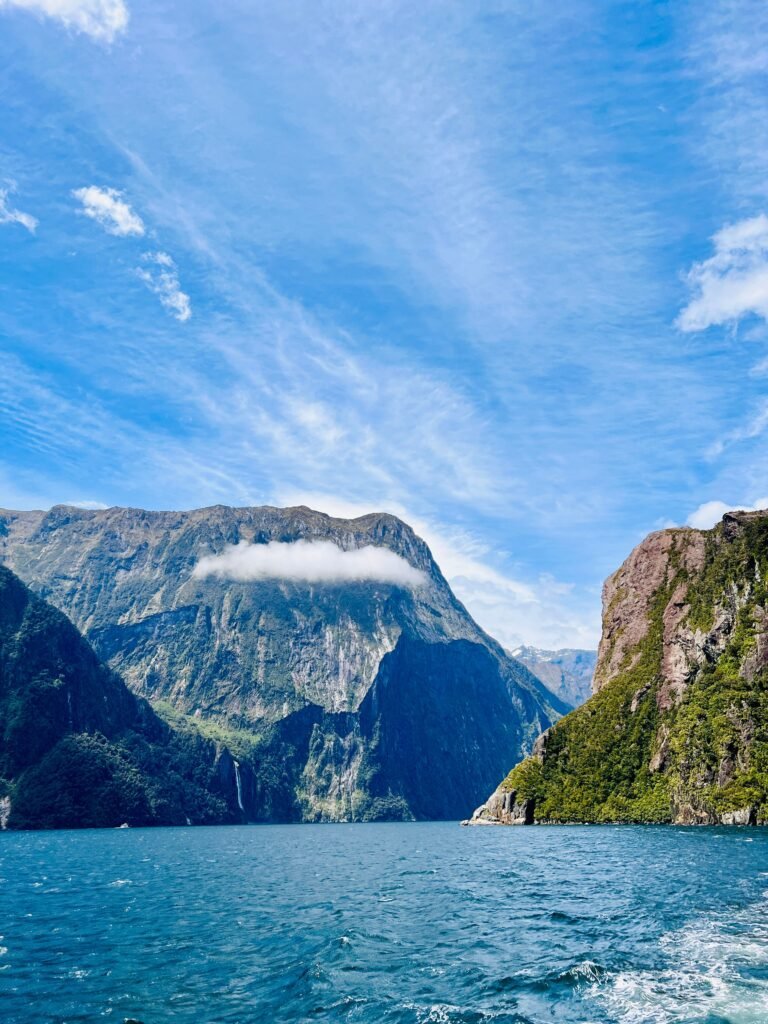
Day 12 – Te Anau → Milford Sound → Queenstown — Fiordland Day
Morning
Te Anau → Milford Road → Milford Sound
Leave Te Anau early and drive along the spectacular Milford Road, stopping at scenic viewpoints along the way. Pass through the Homer Tunnel before reaching Milford Sound.
🎟️Booking: Book an early Milford Sound cruise if you plan to drive back to Queenstown the same day.
🚗 Drive time: 2 hours to 2 hours and 30 minutes
Afternoon
Milford Sound → Queenstown
Board a nature cruise on Milford Sound to see towering cliffs, waterfalls, rainforest-covered mountains, and wildlife such as fur seals.
After the cruise, begin the drive back toward Queenstown. This is one of the longest driving days of the itinerary. The combination of the Milford Road, cruise, and drive back to Queenstown makes for a very full day. If you feel tired, spend the night in Te Anau and go back to Queenstown the following day.
🚗 Drive time: 4 hours
Evening
Arrive in Queenstown → Rest
Arrive in Queenstown in the evening, check into your hotel, and keep the rest of the night relaxed after a full day in Fiordland.
If you don’t want to drive back to Queenstown after such a long day, stay another night in Te Anau and return to Queenstown tomorrow.
Where to eat
- Breakfast: Milford Road Merchant, Sandfly Cafe Te Anau
- Dinner: Public Italian Kitchen, Mapo88 Korean Dining Bar
Day 13 – Queenstown — Flexible Day & Weather Buffer
Morning
Slow Morning → Queenstown
Keep the morning intentionally flexible. Enjoy a relaxed breakfast, explore Queenstown’s shops, or simply spend some time by Lake Wakatipu.
If weather affected your Milford Sound trip yesterday, use today as your backup day instead.
Afternoon
Choose Your Own Experience
If Milford Sound went ahead as planned, choose what suits you best:
- Take a scenic day trip to Glenorchy for spectacular mountain and lake scenery.
- Enjoy a long lunch and a relaxed afternoon by the lake.
- Browse Queenstown’s shops and explore more of the town at your own pace.
Evening
Queenstown → Final Evening
Enjoy one final relaxed evening in Queenstown before your journey toward the airport tomorrow.
Where to eat
- Breakfast: Beach St Cafe by Mountain Club, Sunfire Queenstown
- Lunch: Bella Cucina, Himalaya
- Dinner: Biga – Pizza Napoletana, SODA
Day 14 – Departure day
Morning
Final Breakfast → Queenstown Waterfront
Enjoy a relaxed final breakfast overlooking Lake Wakatipu. Take one last walk along the waterfront or pick up any souvenirs before heading to the airport.
Afternoon
Queenstown → Queenstown Airport (ZQN)
Return your rental car at Queenstown Airport (ZQN) and check in for your flight.
Transport options:
- Orbus Public Bus (Line 1): Direct transit from the town center to the airport terminal in about 20–25 minutes. ~$1.45 per person with a local Bee Card, or ~$5.75 cash paid to the driver.
- Ride-Hailing Apps: Uber operates efficiently in Queenstown, connecting the city center to the airport in roughly 15 minutes.
- Official Taxis: Metered taxis are widely available at ranks or via phone. The 15-minute journey costs approximately ~$26.00 to ~$40.50 per ride.
- Shared Airport Shuttles: Door-to-door shared rides take around 20 minutes depending on stops.
- Private Airport Shuttle option: For a more convenient transit, consider this option.
Conclusion
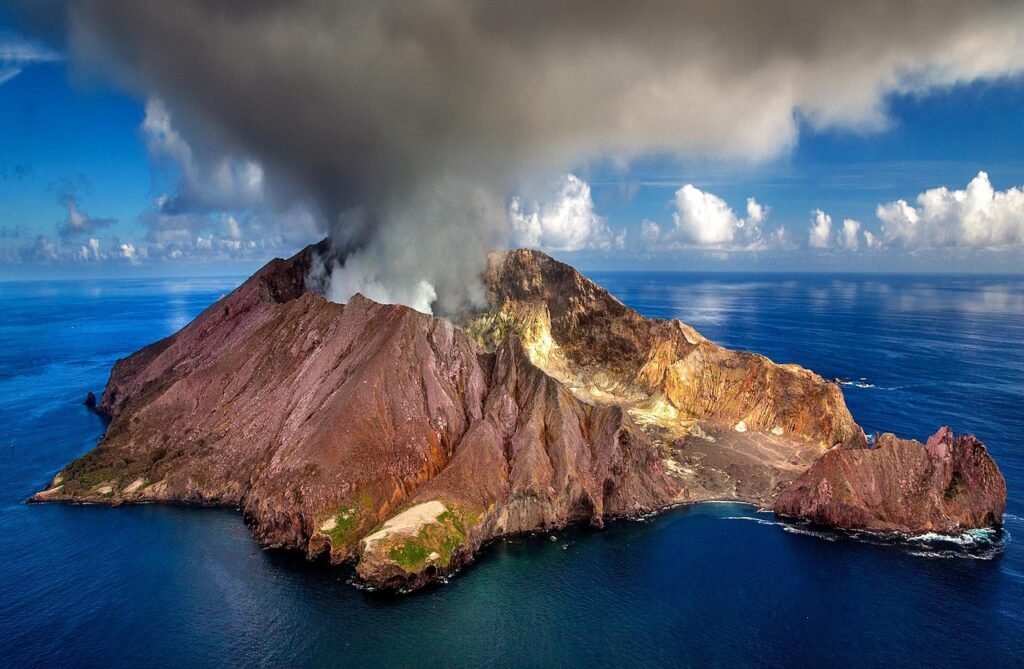
Spending two weeks in New Zealand gives you enough time to experience some of the country’s most spectacular landscapes without trying to see everything at once. This New Zealand 2 week itinerary takes care of much of the planning for you, with a balanced route, practical transportation tips, carefully chosen stops, and minimal unnecessary backtracking.
Use the itinerary as it is or adapt it to your own travel style—the goal is to spend less time worrying about logistics and more time enjoying your trip to New Zealand.
I’d love to hear your thoughts about this New Zealand travel guide! Have you visited New Zealand before, or are you planning your first trip? Let me know in the comments.