
Planning a 7 day trip to New Zealand’s South Island? With so many incredible places to explore, making the most of a week requires a little strategy. But don’t worry, you can close those endless browser tabs because I’ve already done the planning for you!
This 7 day New Zealand South Island itinerary is designed for first-time visitors who want to experience the island’s most spectacular highlights without unnecessary backtracking or spending too much time on the road. The route is carefully planned to strike a balance between sightseeing, memorable experiences, and time to enjoy each destination.
Along with a day-by-day itinerary, you’ll find all the practical information you need to plan your trip, including where to stay, what to see and do, where to eat, and how to get around.
Have a little more time? Take a look at my 10-day New Zealand South Island itinerary or 2-week New Zealand itinerary for longer routes, with the same practical planning advice to help you organize your trip.
Some links in this article are affiliate links, which means I may earn a small commission if you make a booking, at no additional cost to you. Thank you for supporting WanderItinerary, and I hope this 1 Week New Zealand South Island itinerary helps you plan an amazing trip!
Quick Facts About Traveling to New Zealand
- Best Time to Visit: December–February (summer) is the warmest time of year and ideal for sightseeing, road trips, and outdoor activities. March–May (autumn) and September–November (spring) are also excellent choices, with generally fewer crowds. If you’re interested in skiing and snow activities, visit between June and August (winter).
- Official Languages: English is the most widely spoken language. Māori and New Zealand Sign Language are also official languages.
- Currency: The official currency is the New Zealand Dollar (NZD / $). Credit and debit cards are widely accepted throughout the country, but carrying some cash is useful for smaller purchases and remote areas.
- Is New Zealand Safe for Tourists? Yes, New Zealand is generally a safe destination for travelers. However, it’s always worth taking basic precautions and checking weather forecasts, road conditions, and local safety advice before hiking or driving, particularly in remote areas.
- Main Religion: New Zealand has no official state religion and is a largely secular country. According to the 2023 Census, 51.6% of residents reported having no religion. Christianity remains the largest religious tradition, with 32.3% of the population identifying as Christian.
- Ideal Trip Duration: Two weeks is ideal for a first visit if you want to explore highlights across both the North and South Islands without rushing. If you’re focusing exclusively on the South Island, 7–10 days is a good starting point for a road trip covering its main highlights.
- Travel Budget: New Zealand can be an expensive destination, especially when it comes to accommodation, car rentals, transportation, and outdoor activities. Booking accommodation, rental cars, and popular experiences in advance can help you secure availability and better rates. For a general overview of everyday expenses, check Cost of Living in New Zealand.
Must-Try Foods in New Zealand
New Zealand’s food scene brings together traditional Māori cooking, British influences, and modern Pacific flavors. From fresh seafood and quality local produce to sweet treats and iconic coffee, here are some local specialties worth trying during your first one week New Zealand road trip:
- Hāngī: One of the best ways to experience traditional Māori food culture. This cooking method involves slow-cooking meat, vegetables, and other ingredients in an underground earth oven, giving the food a distinctive smoky flavor.
- Green-Lipped Mussels: A New Zealand seafood specialty, these large mussels are known for their distinctive green-edged shells. They’re commonly steamed, grilled, or served in seafood dishes.
- Fish & Chips: A Kiwi favorite, this classic combination features battered fish served with crispy chips. Look for fresh local varieties such as hoki, snapper, or blue cod.
- New Zealand Lamb: The country is particularly well known for its high-quality lamb. You’ll find it on restaurant menus in different preparations, from simply grilled cuts to slow-cooked dishes.
- Whitebait Fritters: A traditional New Zealand specialty made with tiny native whitebait fish mixed with egg and lightly cooked into fritters. They’re particularly popular in parts of the South Island.
- Meat Pies: A classic everyday snack in New Zealand, these individual pies feature flaky pastry filled with savory ingredients such as minced beef, steak, chicken, or vegetables. Local bakeries are among the best places to try one.
- Pavlova: A much-loved dessert featuring a crisp meringue exterior and a soft, marshmallow-like center, usually topped with whipped cream and fresh fruit.
- Hokey Pokey Ice Cream: One of New Zealand’s most recognizable ice cream flavors. It combines creamy vanilla ice cream with crunchy pieces of honeycomb toffee.
- Feijoa: This aromatic green fruit is especially popular in New Zealand. When it’s in season, try it fresh or look for it in smoothies, desserts, jams, and baked goods.
- Flat White: New Zealand has a well-established café culture, and the flat white is a staple on local coffee menus. Made with espresso and steamed milk topped with a thin layer of microfoam, it’s a must-try for coffee lovers.
How to Get to New Zealand
If you’re planning a trip to New Zealand, one of the first things to consider is where to fly into. The country has several international airports, but Auckland (AKL) and Christchurch (CHC) are the two main gateways to consider, especially for first-time visitors exploring both islands.
- Auckland: New Zealand’s largest international airport and the most convenient starting point for exploring the North Island. It’s a great choice if your itinerary includes Auckland, Hobbiton, Rotorua, and other northern highlights.
- Christchurch: The main international gateway to the South Island and an excellent starting point for a southern road trip. From here, you can easily begin exploring highlights such as Lake Tekapo, Aoraki/Mount Cook, and the Southern Alps.
- Queenstown: Queenstown Airport also handles international flights, mainly from Australia, alongside frequent domestic connections. It’s a convenient arrival point if you’re already traveling within the region, although visitors coming from North America or other long-haul destinations will generally find more international connections through Auckland or Christchurch.
New Zealand is well connected to major cities across Australia, Asia, and North America. Once you arrive, domestic flights are also a useful option for covering longer distances between the North and South Islands or reaching destinations that would otherwise require lengthy drives.
How to Get Around New Zealand
Getting around New Zealand is straightforward. The main options are rental cars, intercity buses, domestic flights, ferries, and local public transportation. Taxis and Uber are also an option to consider in most major cities and some tourist destinations.
1. Rental Cars
For a convenient New Zealand road trip, renting a car is the best option as it makes exploring New Zealand’s scenic areas easier, especially the South Island. Consider these operators: Avis, Budget, Hertz, and Europcar.
Practical information:
- In New Zealand, vehicles drive on the left-hand side of the road.
- Roads are generally well maintained, but many routes are winding or mountainous, so allow extra travel time when planning your journeys.
2. Intercity Buses
InterCity is New Zealand’s main intercity bus operator, connecting many popular destinations, including Auckland, Rotorua, Taupō, Christchurch, and Queenstown.
It’s a convenient and budget-friendly alternative to driving, although services are generally less frequent in smaller towns and remote areas.
3. Domestic Flights
Domestic flights are very convenient for covering long distances or traveling between the North and South Islands.
Air New Zealand operates an extensive domestic network, while Jetstar serves fewer routes. Flights connect major cities and regional destinations, including Christchurch and Queenstown. However, not all tourist destinations have airports, so you’ll still need ground transportation to reach places such as Lake Tekapo and Aoraki/Mount Cook.
4. Taxis & Uber
Taxis and Uber are available in the big cities and popular tourist destinations such as Christchurch and Queenstown. They’re particularly convinient for airport transfers, evenings out, and short journeys.
However, they are not reliable in remote areas. It is advisable not to rely on taxis or Uber for destinations such as Aoraki/Mount Cook or Milford Sound, and to arrange transportation in advance if you aren’t driving.
5. Trains
Trains aren’t generally the most practical way to travel between destinations as New Zealand has a limited intercity passenger rail network. However, the country has two popular scenic rail journeys:
- TranzAlpine: Crosses the Southern Alps between Christchurch and Greymouth.
- Coastal Pacific: Travels between Christchurch and Picton along the South Island’s east coast.
These are scenic experiences rather than essential transport links for a 7 day New Zealand itinerary.
6. Public Transportation
New Zealand’s main cities are generally well served by public transportation, unlike smaller towns and more remote destinations, where services are often limited.
- Christchurch: The city has a reliable local bus network connecting the city centre with surrounding suburbs and some popular attractions.
- Queenstown: Local buses connect the town centre with the airport and nearby areas, making it relatively easy to get around without a car.
- Wānaka & Te Anau: Public transportation options are limited, so renting a car or arranging private transfers and shuttles is often the most convenient option.
- Lake Tekapo & Aoraki/Mount Cook: Neither destination has a comprehensive local public transport network. You’ll need to rely on intercity coaches, private shuttles, organized tours, or a rental car to get around.
Your 7 Day New Zealand South Island Itinerary
Day 1 – Welcome to Christchurch
Morning
Airport → Christchurch
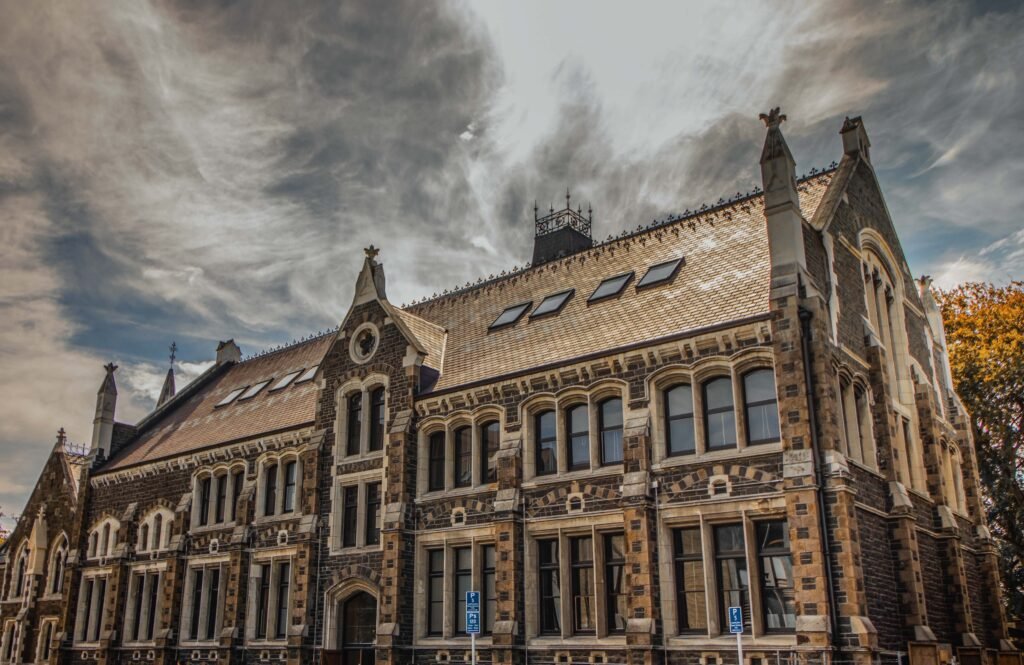
Welcome to Christchurch, known as New Zealand’s Garden City! Upon arrival, make your way to your accommodation and settle in. If you plan to rent a car the following day, here are the main transportation options for getting from Christchurch Airport to the city centre:
- Metro Public Buses (Routes 3, 8 & 29): The most affordable option, taking approximately 30 minutes. Fares are NZ$3 (around $2 USD) by contactless card or NZ$4 (around $2.40 USD) in cash. Buses depart near Door 9.
- Ride-Hailing Apps (Uber): Uber operates in Christchurch, with airport transfers averaging NZ$36 (around $22 USD). The journey takes approximately 15–20 minutes, depending on traffic and demand.
- Official Taxis: Taxis are available outside International Arrivals, near Door 7. The journey takes around 15–20 minutes, with fares generally ranging from NZ$45–65 (around $27–40 USD), including the airport fee. Major providers include Blue Star Taxis and First Direct Taxis.
- Shared Airport Shuttles (Super Shuttle): Super Shuttle offers shared, door-to-door transfers starting at approximately NZ$19 (around $12 USD) per passenger. Each additional passenger costs around NZ$5 (around $3 USD). Pickup is near Door 9.
- Private Airport Transfer: For a more comfortable and hassle-free journey, you can pre-book a private transfer from Christchurch Airport (CHC) directly to your accommodation.
Afternoon
City Centre → Christchurch Botanic Gardens
Keep the rest of your first day light and relaxing, especially after a long flight. Once you’ve settled into your accommodation, head out and start exploring the city.
Begin in Christchurch City Centre, where you can grab lunch or enjoy a coffee at one of the local cafés. If you have some time, continue to the Christchurch Botanic Gardens, established in 1863 and now home to an impressive collection of native and exotic plants.
Evening
Cathedral Square → Riverside Market
End your first day with a leisurely walk around Cathedral Square, then make your way toward Riverside Market for dinner. It’s a lovely area to explore, with plenty of food options to choose from.
Where to stay in Christchurch
Hotel options across budgets: I recommend staying in Christchurch City Centre. It’s the most convenient base for a short stay, putting you within easy reach of Cathedral Square, the Avon River, Riverside Market, Christchurch Botanic Gardens, and plenty of restaurants and cafés.
- Budget-Friendly: Urbanz offers affordable private rooms and dorms in the city center of Christchurch, while BreakFree on Cashel features modern, compact rooms right in the heart of the city.
- Mid-Range: The Grange B&B offers a charming stay in a historic bed and breakfast near the city center, while The Observatory Hotel Christchurch provides a stylish boutique experience in a good location.
- Luxury: Hotel Montreal offers an elegant boutique stay near Hagley Park, while The Mayfair combines contemporary luxury with a central location.
Where to eat
- Restaurants: Twenty Seven Steps, King of Snake
Day 2 – Christchurch → Lake Tekapo
Important note: From today onwards, having a rental car is essential for exploring the South Island and following this itinerary.
Morning
Christchurch → Lake Tekapo
Get ready for a scenic drive as you’ll be heading to Lake Tekapo, famous for its striking turquoise waters, stunning mountain scenery, and excellent stargazing opportunities.
Start your day with a good breakfast in Christchurch, then pick up your rental car and leave the city. You’ll drive across the vast Canterbury Plains, with beautiful mountain views gradually appearing as you get closer to Lake Tekapo.
- Driving time: Approximately 3 to 3 hours and 30 minutes.
Afternoon
Lake Tekapo → Church of the Good Shepherd → Lakeshore
Once you arrive in Lake Tekapo, take some time to admire its beautiful turquoise waters and surrounding mountain scenery.
Continue to the iconic Church of the Good Shepherd, one of the region’s most photographed landmarks. From there, enjoy a leisurely walk along the lakeshore and take in the views. It’s the perfect opportunity to slow down and appreciate the scenery.
Evening
Lake Tekapo → Stargazing
After sunset, get ready for one of Lake Tekapo’s most memorable experiences: stargazing in the Aoraki Mackenzie International Dark Sky Reserve, one of the world’s premier destinations for observing the night sky.
For a more immersive experience, consider joining this Lake Tekapo Stargazing Experience.
- Booking: If you’d like to join a guided stargazing experience, I recommend booking in advance, especially during peak travel periods.
Where to Stay in Lake Tekapo
Hotel/Neighborhood Tip: I recommend staying in Lake Tekapo Village for convenience. It’s the best area if you want to explore the lakefront, restaurants, and Church of the Good Shepherd on foot. Most centrally located accommodations are within walking distance of the main attractions, while properties farther out offer a quieter setting and are best accessed by car.
Hotel options across budgets:
- Budget-Friendly: The Godley Hotel is ideally located in central Lake Tekapo, within walking distance of the lakefront and the Church of the Good Shepherd. For a more peaceful stay, Burkes Pass Country Motels offers cozy, self-contained units in the quiet surroundings of Mackenzie Country.
- Mid-Range: Infinity Lakeview is a spacious property featuring four bedrooms, two bathrooms, and lovely lake views, making it particularly suitable for families and groups. Another great option is Grand Suites Lake Tekapo, which offers modern, self-contained suites with kitchenettes and secure parking.
- Luxury:Mt Cook Lakeside Retreat offers private luxury villas overlooking Lake Pukaki, with spectacular views of Aoraki/Mount Cook. If you’re looking for something more secluded, Isolation Bay is an exclusive five-bedroom home on the western shore of Lake Tekapo, offering panoramic lake views and plenty of space to unwind.
Recommended Experiences in Lake Tekapo
- Lake Tekapo Springs Day Pass: Take a relaxing break in the heated outdoor pools (36.5°C–38.5°C) while enjoying beautiful views of Lake Tekapo and the surrounding mountains. It’s a lovely way to unwind at the end of the day, especially around sunset when the alpine scenery becomes even more beautiful.
- Lake Tekapo Stargazing Experience: Explore the Southern night sky in the Aoraki Mackenzie International Dark Sky Reserve. You’ll get to observe stars and deep-sky objects through powerful telescopes, listen to fascinating Māori stories, and enjoy hot chocolate and roasted marshmallows under the stars. The experience also includes professional photos to capture the evening.
Where to eat
- Breakfast: Quad Eatery, Miro
- Lunch: The Better Batter NZ, TLV Restaurant & Bar
- Dinner: Silver Spoon, Dolce Pizza
Day 3 – Lake Tekapo → Aoraki / Mount Cook
Morning
Lake Tekapo → Lake Pukaki → Aoraki / Mount Cook
Today, you’ll leave Lake Tekapo behind and head towards Mount Cook Village, home to some of the South Island’s most spectacular mountain scenery.
Along the way, make a stop at Lake Pukaki, famous for its striking turquoise waters and breathtaking views of the surrounding mountains. Take some time to enjoy the scenery and capture a few photos before continuing your drive towards Aoraki / Mount Cook.
- Driving time: Approximately 1 hour and 30 minutes to 2 hours.
Afternoon
Hooker Valley Track
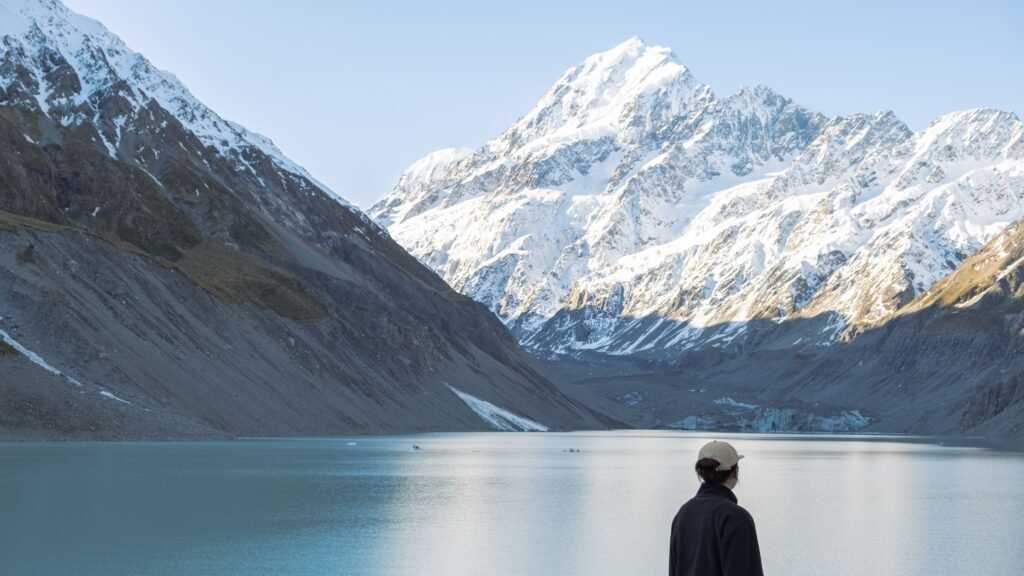
Welcome to Mount Cook Village! Get ready to explore one of the South Island’s most famous hiking trails: the Hooker Valley Track.
This relatively easy walk follows the Hooker River towards Hooker Lake, rewarding you with incredible views of glaciers, alpine landscapes, and Aoraki / Mount Cook along the way. It’s one of the best ways to experience the natural beauty of the area.
Before setting off, make sure to check the latest track conditions and access restrictions, as weather conditions and maintenance work can affect trail availability.
Evening
Mount Cook Village → Relax
After your hike, return to Mount Cook Village and enjoy a relaxing evening surrounded by the breathtaking scenery of the Southern Alps. Take the opportunity to unwind and appreciate the peaceful mountain setting.
Where to Stay in Aoraki / Mount Cook Village
Hotel/Neighborhood Tip: For exploring Aoraki / Mount Cook National Park, I recommend staying in Mount Cook Village. It’s the most convenient base, with easy access to the park’s main hiking trails, visitor centre, and scenic viewpoints. You’ll also avoid the long drive back to Lake Tekapo after a full day of exploring.
Hotel options across budgets:
- Mid-Range: Haka House Hostels Aoraki Mt Cook offers a choice of dormitory beds and private rooms, as well as a communal kitchen, laundry facilities, and parking. Its central location makes it a practical choice for exploring the national park.
- Luxury: Aoraki Court Motel features spacious, modern studio and two-bedroom units equipped with kitchenettes and offering mountain views. Some units also come with spa baths, making them a comfortable place to relax after a day of hiking.
Where to eat
- Breakfast: The Greedy Cow Cafe, Little Fool Bakery
- Lunch: Alpine Restaurant
- Dinner: Chamois Bar & Grill
Day 4 – Mount Cook → Wānaka
Morning
Aoraki / Mount Cook → Lindis Pass → Wānaka
Start your day with a good breakfast while taking in the beautiful mountain scenery. Then hit the road towards Wānaka, passing through the spectacular landscapes of Lindis Pass. Make a few stops at the scenic viewpoints along the way to admire the rolling golden hills and surrounding mountains.
- Driving time: Approximately 2 hours and 30 minutes to 3 hours.
Afternoon
Arrive in Wānaka → Lake Wānaka
Welcome to Wānaka, a charming lakeside town surrounded by mountains! Once you arrive, check into your accommodation and take some time to explore the area.
Start with a leisurely walk along Lake Wānaka, where you’ll enjoy beautiful views of the Southern Alps. Make sure to stop by the famous #ThatWanakaTree, one of New Zealand’s most photographed natural landmarks.
Evening
Wānaka Waterfront → Relaxed Evening
Spend the rest of your evening enjoying the peaceful atmosphere along Wānaka’s waterfront. Take a walk by the lake, grab dinner at a local restaurant, and enjoy a relaxing evening. It’s the perfect opportunity to slow down and recharge before heading to Te Anau tomorrow.
Where to Stay in Wānaka
Hotel/Neighborhood Tip: For first-time visitors, I recommend staying near Wānaka Town Centre or the lakefront. You’ll be within easy reach of Lake Wānaka, scenic walking paths, restaurants, cafés, and shops. The central area is also easy to explore on foot, making it a convenient base after the drive from Aoraki / Mount Cook.
Hotel options across budgets:
- Budget-Friendly: Haka House Wānaka offers both dormitory beds and private ensuite rooms, along with communal kitchen facilities and shared spaces overlooking the lake. For a more intimate stay, Te Wanaka Lodge provides a cozy lodge-style experience within easy reach of the town centre.
- Mid-Range: Edgewater Hotel offers a selection of rooms, suites, and apartments in a beautiful lakeside setting. Another good option is The Moorings Motel and Apartments, featuring self-contained studios and larger apartments with lake views, just a short walk from the town centre.
- Luxury: Clearbrook Motel & Serviced Apartments offers spacious, self-contained apartments in central Wānaka, with fully equipped kitchens, in-room laundry facilities, and beautiful mountain views.
Recommended Experiences in Wānaka
- Wānaka Waterfall Cable Climb: Looking for an adventure? Try this beginner-friendly via ferrata experience beside the beautiful Twin Falls. You’ll climb vertical rock faces, cross suspension bridges, and enjoy stunning views of Lake Wānaka and the surrounding mountains. All necessary safety equipment and a small-group guide are included.
- Wānaka Tandem Paragliding Experience: Experience Wānaka from above on a tandem paragliding flight over Treble Cone. Accompanied by a professional pilot, you’ll enjoy breathtaking views of the alpine landscape, including mountains, waterfalls, and pristine lakes. You can choose between a gentle scenic flight or a more adventurous ride.
Where to eat
- Restaurants: Big Fig Wānaka, Kika.
Day 5 – Wānaka → Te Anau
Wānaka → Te Anau
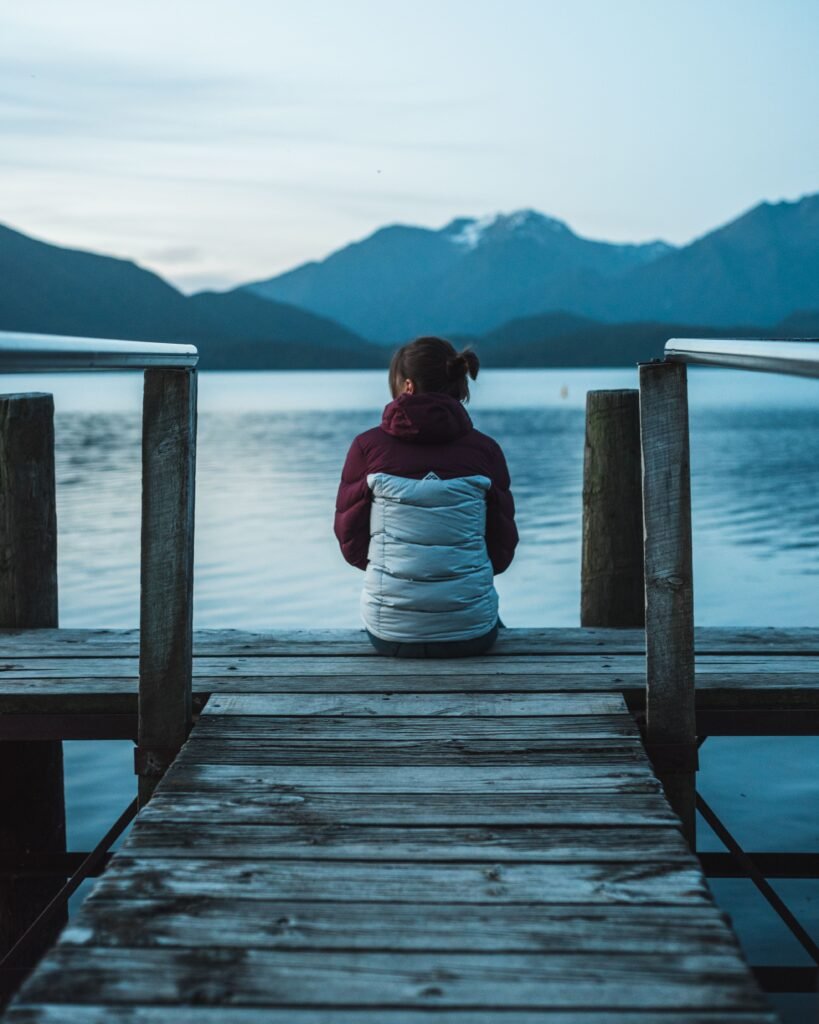
Enjoy breakfast before setting off towards Te Anau, the gateway to Fiordland National Park and Milford Sound. The drive takes you through the scenic Southland countryside, following the southern shores of Lake Wakatipu along the way.
Once you arrive in Te Anau, check in to your accommodation and take some time to settle in after the drive.
- Driving time: 3 hours and 30 minutes
Afternoon
Lake Te Anau → Relax or Visit the Glowworm Caves
Spend the afternoon exploring the shores of Lake Te Anau, the largest lake on New Zealand’s South Island and a gateway to Fiordland National Park.
If you’re looking for something different, join a guided boat tour to the Te Anau Glowworm Caves. The tour takes you across the lake and through limestone formations and underground waterfalls before reaching a beautiful grotto illuminated by thousands of tiny glowworms.
- Booking: Book your glowworm cave tour in advance, especially during busy travel periods.
Evening
Te Anau
Enjoy dinner and a relaxing evening in Te Anau. Get a good night’s rest before tomorrow’s Milford Sound adventure.
Where to Stay in Te Anau
Hotel/Neighborhood Tip: For first-time visitors, staying near Te Anau town centre or the lakefront is the most convenient option. You’ll be close to Lake Te Anau, restaurants, cafés, shops, and the main tour operators. The town is relatively compact, so many accommodations are also within walking distance of the waterfront and dining options.
Hotel options across budgets:
- Budget-Friendly: Te Anau TOP 10 Holiday Park offers a range of affordable accommodation, including campsites, cabins, and self-contained units. Another good option is Arran Motel, which provides comfortable motel accommodation within easy reach of the town centre and lakefront.
- Mid-Range: Te Anau Lodge offers a peaceful stay in a beautifully restored former convent dating back to 1936, with lovely lake and mountain views. For a more central location, Lakefront Lodge is just steps from Lake Te Anau and offers modern accommodation.
- Luxury: Radfords on the Lake features five-star lakefront apartments with beautiful views of Lake Te Anau and the surrounding mountains. If you prefer a more secluded stay, Fiordland Lodge offers an upscale lodge experience surrounded by Fiordland’s spectacular landscapes.
Recommended Experiences in Te Anau
- Lake Te Anau Cruise & Guided Walk: Explore a quieter part of Fiordland on a scenic cruise across Lake Te Anau to the beautiful South Fiord. Once ashore, join a guided walk through ancient native forests before returning to the boat for refreshments and views of the surrounding wilderness.
- Milford Sound Tour from Te Anau: Discover the spectacular scenery of Fiordland National Park on a guided day trip from Te Anau. The journey includes scenic stops along Milford Road, followed by a 1-hour-and-45-minute nature cruise past towering cliffs, cascading waterfalls, and dramatic fiord landscapes. Some tour options also include free time or an optional helicopter flight.
- Te Anau Glowworm Caves Guided Tour: Start with a scenic cruise across Lake Te Anau before exploring an underground cave system shaped over thousands of years. Discover limestone formations and underground waterfalls, then board a small boat to see thousands of tiny glowworms lighting up the cave ceiling.
Where to eat
- Breakfast: Bespoke Kitchen, Fergbaker
- Lunch: Ditto, Sandfly Cafe Te Anau
- Dinner: La Toscana Pizzeria, Olive Tree Cafe Te Anau
Day 6 – Te Anau → Milford Sound → Queenstown
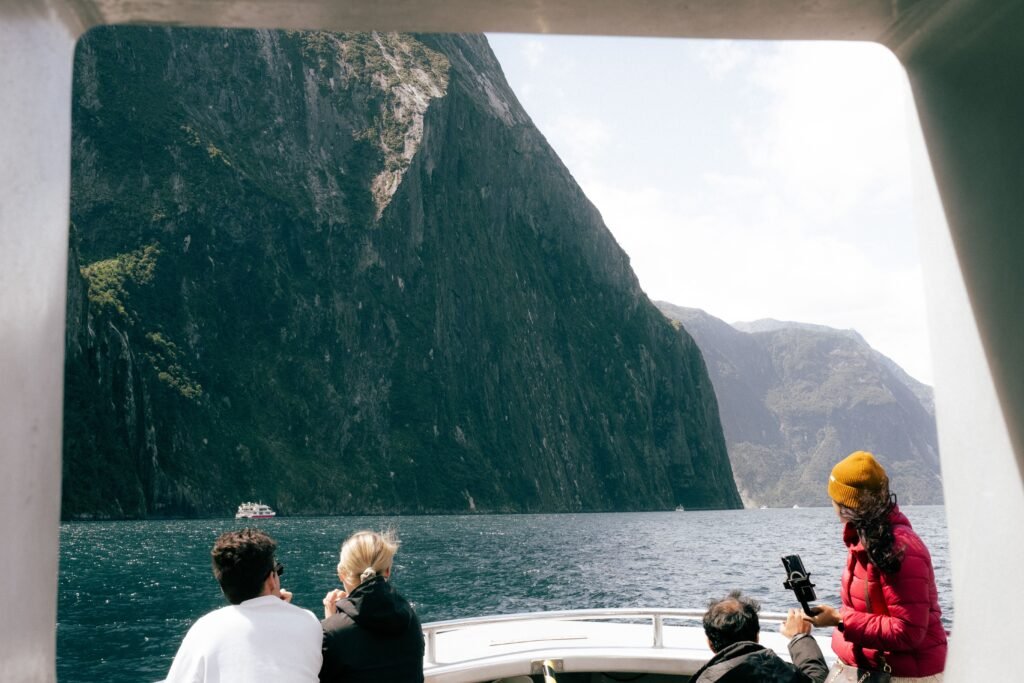
Important Note: This is one of the longest driving days of the itinerary. If you find the day too tiring, consider spending another night in Te Anau and returning to Queenstown the following morning.
Morning
Te Anau → Milford Road → Milford Sound
Leave Te Anau early and follow the scenic Milford Road towards Milford Sound. Take your time along the way and stop at the viewpoints to enjoy Fiordland’s landscapes. You’ll also drive through the famous Homer Tunnel before reaching Milford Sound.
- Booking: If you’re planning to drive back to Queenstown on the same day, book an early Milford Sound cruise to allow enough time for the return journey.
- Driving time: Approximately 2 to 2.5 hours.
Afternoon
Milford Sound → Queenstown
Board a scenic cruise through Milford Sound and enjoy close-up views of its most famous landmarks, including Mitre Peak and the impressive Stirling Falls. Keep an eye out for local wildlife, particularly fur seals along the fiord.
For convenience, consider joining this Milford Sound tour from Te Anau to avoid dealing with logistics and driving.
After the cruise, begin the drive back to Queenstown.
- Driving time: Approximately 4 hours.
Evening
Queenstown
Once you arrive in Queenstown, take the evening to unwind after a long day of driving and sightseeing.
If you’d rather avoid the return drive after such a full day, spend another night in Te Anau and head back to Queenstown the following morning.
Where to Stay in Queenstown
Hotel/Neighborhood Tip: For first-time visitors, Queenstown town centre is the most convenient place to stay. You’ll be within easy reach of Lake Wakatipu, Queenstown Gardens, the Skyline Queenstown gondola, and the town’s restaurants, cafés, and shops. The main activity and tour departure points are also nearby, making it easier to explore without relying on a car.
Hotel options across budgets:
- Budget-Friendly: Haka House Queenstown offers affordable shared and private rooms in a central location. Another option is Pinewood Queenstown, which offers a variety of budget-friendly rooms, cabins, and apartments, about a 10-minute walk from the town centre.
- Mid-Range: Crowne Plaza Queenstown by IHG enjoys a prime lakefront location, just a minute’s walk from Steamer Wharf. If you prefer more space and privacy, Turner Heights Townhouses offers townhouse-style accommodation.
- Luxury: Eichardt’s Private Hotel combines upscale accommodation with beautiful views of Lake Wakatipu in the heart of Queenstown. Another excellent choice is The Spire Hotel, an exclusive five-star property featuring just ten individually designed suites in the town centre.
Recommended Experiences in Queenstown
- Queenstown Shotover Jet Boat Experience: Speed through the narrow canyons of the Shotover River on an exciting jet boat ride. Navigate thrilling rapids, experience sharp manoeuvres, and enjoy spectacular 360-degree spins against a backdrop of dramatic canyon scenery.
- Queenstown 4-Line Zipline Tour: Glide through the native forest canopy on four ziplines, with each line getting progressively longer and faster. Along the way, take in panoramic views of Lake Wakatipu and The Remarkables while your guides share insights about the local environment.
- Queenstown Tandem Skydive: Experience the thrill of skydiving with a tandem jump from up to 15,000 feet. Enjoy an exhilarating 60-second freefall at speeds of up to 200 km/h, with spectacular views of snow-capped mountains and alpine lakes.
- Kawarau Bridge Bungy Jump: Take the plunge at the world’s first commercial bungy jumping site! Jump from the historic Kawarau Bridge, either solo or in tandem, and choose between a dry landing or a splash into the Kawarau River.
- Milford Sound Small Boat Cruise: Explore Milford Sound on a small-boat cruise, offering an intimate way to experience its dramatic fjord scenery. Admire Mitre Peak, get close to impressive waterfalls, and look out for fur seals and Fiordland crested penguins.
- Queenstown Lord of the Rings Tour: Discover the landscapes of Middle-earth on a guided tour of The Lord of the Rings filming locations. Explore the dramatic scenery of Skippers Canyon, visit memorable movie settings, and take photos with replica weapons inspired by the films.
- Queenstown Quad Bike Experience: Head off-road on a 400cc quad bike and explore private trails around Queenstown Hill. Ride across different types of terrain while enjoying sweeping views of Queenstown and the surrounding landscape.
- TSS Earnslaw Lake Wakatipu Cruise: Board the historic TSS Earnslaw for a scenic 90-minute cruise across Lake Wakatipu. Explore the century-old steamship, watch the crew working in the engine room, and take in the surrounding alpine scenery from the deck.
Where to eat
Breakfast: Milford Road Merchant, Sandfly Cafe Te Anau
Dinner: Blue Kanu, Fergburger
Day 7 – Departure Day from Queenstown
Morning
Final Breakfast → Queenstown Waterfront
Enjoy your last breakfast in New Zealand overlooking Lake Wakatipu. If your flight schedule allows, take one final walk along the waterfront or pick up a few souvenirs before heading to the airport.
Afternoon
Queenstown → Queenstown Airport (ZQN)
Return your rental car at Queenstown Airport (ZQN) and head to the terminal for your departure flight. If you’re not renting a car, you can choose from the following transport options:
Transport Options:
- Orbus Public Bus (Line 1): The most affordable option, with direct services between Queenstown town centre and the airport. The journey takes approximately 20–25 minutes, with fares around $1.45 using a Bee Card or $5.75 when paying cash.
- Ride-Hailing Apps: Uber operates in Queenstown, and the journey from the town centre to the airport takes approximately 15 minutes, depending on traffic.
- Official Taxis: Taxis are available from designated ranks or can be booked in advance. Expect to pay approximately $26–$40.50 for the 15-minute journey.
- Shared Airport Shuttles: A convenient door-to-door option, with a journey time of around 20 minutes, depending on passenger pick-ups and drop-offs.
- Private Airport Shuttle: For a more comfortable and convenient transfer, you can arrange a private shuttle to the airport in advance.
Where to eat
- Breakfast: Brunch On Church, Balls and Bangles
- Lunch: Farelli’s by Giovi, Margo’s Queenstown
Conclusion
Your one week South Island adventure is just around the corner! This 7 day New Zealand itinerary takes the stress out of planning by bringing everything you need into one place. With a well-planned route, practical travel tips, and a balanced mix of sightseeing, unforgettable experiences, and downtime, you can make the most of your week without feeling rushed.
I’d love to hear what you think! Let me know in the comments below!