
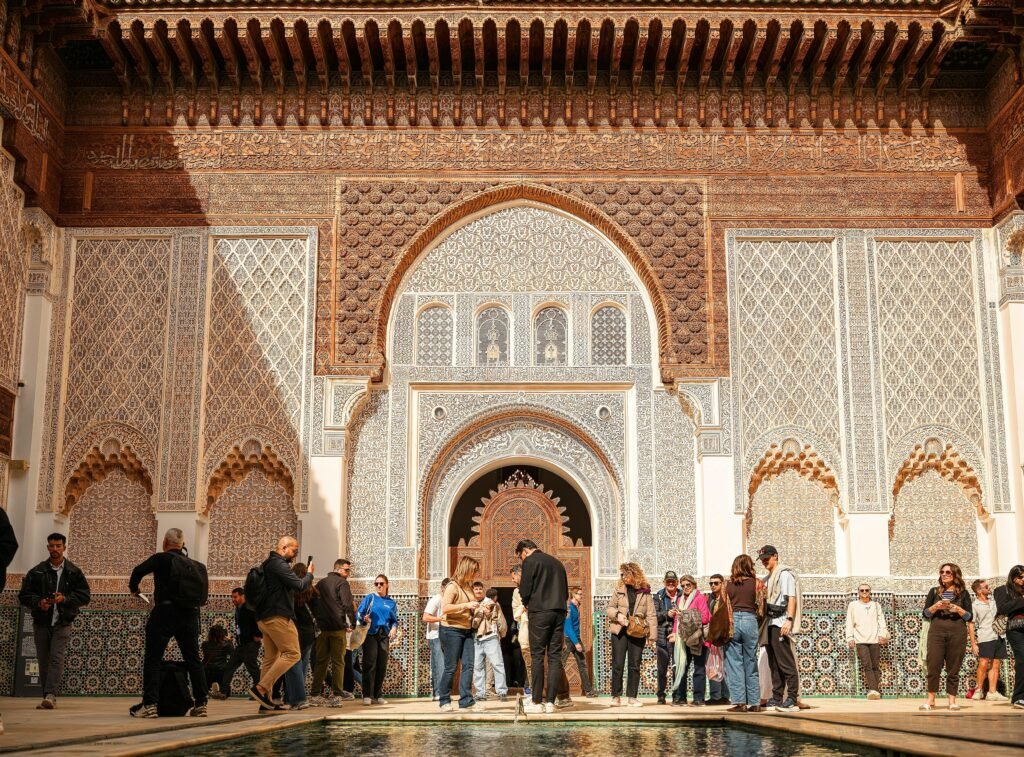
Morocco is one of the most visited countries in Africa — and it’s easy to understand why. From the Sahara Desert and Atlantic coastline to ancient medinas and mountain landscapes, the country offers an incredible diversity of experiences in a relatively short distance. Add to that the flavorful cuisine, year-round sunshine, and the warmth and hospitality of Moroccan people, and it quickly becomes a destination that stays with you long after your trip ends.
But is seven days really enough to experience Morocco? The answer is yes — if you travel with a clear focus. Morocco is a country that rewards thoughtful planning, especially when your time is limited.
I’m currently facing the same challenge while planning a trip to Brazil, another vast country where seeing everything would require weeks of travel and multiple domestic flights. What helped me most was narrowing down what I truly wanted from the experience. In my case, that means culture, history, and time to relax by the beach. Morocco works the same way: the best itinerary depends entirely on the type of trip you want.
That’s exactly why I created this Morocco travel guide. Below, you’ll find three different 7-day Morocco itineraries designed around different travel styles — whether you want to see the country’s iconic highlights, unwind along the Atlantic coast, or dive deep into Morocco’s imperial history and culture. All you need to do is choose the itinerary that fits you best and book your flight to Morocco.
If you want to experience Morocco’s most iconic highlights in just one week, the first Morocco trip itinerary is the perfect introduction. Begin in Marrakech, where vibrant souks, historic palaces, lush gardens, and the electric atmosphere of Jemaa el-Fnaa offer a captivating first impression of the country. From there, cross the Atlas Mountains to the legendary Aït Benhaddou before continuing through the Valley of Roses and the dramatic Todra Gorge. The journey then leads to Merzouga and the Sahara Desert, where camel trekking and a night beneath the stars create one of Morocco’s most unforgettable experiences. Finally, travel north through cedar forests and mountain landscapes to Fes, home to one of the world’s oldest medinas and renowned for its tanneries, madrasas, and rich cultural heritage.
If your idea of the perfect trip involves ocean views, slower travel, and relaxed coastal towns, the second itinerary is ideal. Start in Marrakech before heading west to Essaouira, a charming seaside city known for its historic port, white-and-blue medina, fresh seafood, and laid-back atmosphere. Continue south along Morocco’s Atlantic coast to Imsouane, a peaceful surf village famous for its long waves and tranquil lifestyle, before ending in Taghazout, Morocco’s iconic surf town filled with beach cafés, yoga spots, ocean sunsets, and a relaxed coastal vibe. This itinerary is perfect for travelers looking to combine culture with rest and beachside relaxation.
The third Morocco travel itinerary is designed for travelers passionate about history, architecture, and culture. Begin in Marrakech, exploring its palaces, gardens, and bustling souks before traveling north to Fes, Morocco’s cultural and spiritual capital. Wander through ancient alleyways filled with artisans, tanneries, madrasas, and centuries of living history inside one of the world’s oldest medinas. From Fes, continue through Morocco’s imperial legacy with visits to the Roman ruins of Volubilis, the sacred hilltop town of Moulay Idriss Zerhoun, and the imperial city of Meknes. End your journey in Rabat, Morocco’s elegant capital, where coastal scenery, historic landmarks, and a calmer atmosphere provide the perfect conclusion before departing from Rabat or Casablanca.
Each itinerary in this guide includes detailed practical information to help you plan your trip smoothly, including hotel recommendations across different budgets, transportation options, restaurant suggestions, activities, and guided tours.
And if you have more time to explore Morocco, make sure to check out the two-week Morocco itinerary and the ten-day Morocco itinerary, both of which include multiple route options as well. If you have less time, definitely check out the five-day Morocco itinerary.
Some links in this guide are affiliate links, meaning I may receive a small commission if you book or purchase through them, at no additional cost to you. Your support helps keep these travel guides detailed, practical, and free to access. Thank you for supporting the blog!
Quick Facts about Traveling to Morocco
- Best time to visit Morocco: Spring (March to May) and autumn (September to November) are considered the best times to visit Morocco, thanks to pleasant temperatures and comfortable travel conditions. Summer is also a great option for coastal destinations and mountain regions. These seasons are ideal for enjoying a 7-day Morocco itinerary or exploring the country at a relaxed pace.
- Official languages: Morocco’s official languages are Arabic (Darija dialect) and Amazigh (Berber). French is widely spoken and commonly used in administration, transportation, business, and daily life. In major tourist destinations such as Marrakech, Casablanca, Fes, and Tangier, English is increasingly common, especially in hotels, restaurants, and tourism-related services. In northern cities like Tangier, Tetouan, and Chefchaouen, Spanish is also widely understood.
- Currency used in Morocco: The official currency is the Moroccan Dirham (MAD). Exchange rates may vary, so it’s always best to check the latest rates before traveling.
Approximate conversions:
1 USD ≈ 10 MAD
1 EUR ≈ 11 MAD - Is Morocco safe for tourists? Yes — Morocco is generally considered a safe destination for tourists, particularly in well-known cities such as Marrakech, Fes, Chefchaouen, Rabat, and Tangier. Like any destination, travelers should still follow basic safety precautions and stay aware of their surroundings.
- Main religion in Morocco: Islam
- Ideal trip duration: A 14-day itinerary is ideal for discovering Morocco’s diversity, from imperial cities and coastal towns to mountains and the Sahara Desert. However, a Morocco 7 day itinerary can still offer an excellent experience if you plan a more focused itinerary.
- Morocco travel budget: Morocco is generally affordable compared to many international destinations. Local food, trains, and buses are budget-friendly, while luxury riads, private transfers, and desert experiences can increase overall costs. Planning and booking in advance can help optimize your budget and secure better rates for a 7-day Morocco trip. For the latest prices, check the Cost of Living in Morocco.
Must-Try Dishes in Morocco
Moroccan cuisine is known for its bold spices, slow-cooked recipes, and unique balance of sweet and savory flavors. Here are some traditional dishes every traveler should experience during a trip to Morocco:
- Tagine: Morocco’s most iconic dish, cooked slowly in a clay pot and available in many variations, including chicken with preserved lemon and olives, beef with vegetables, or vegetarian options.
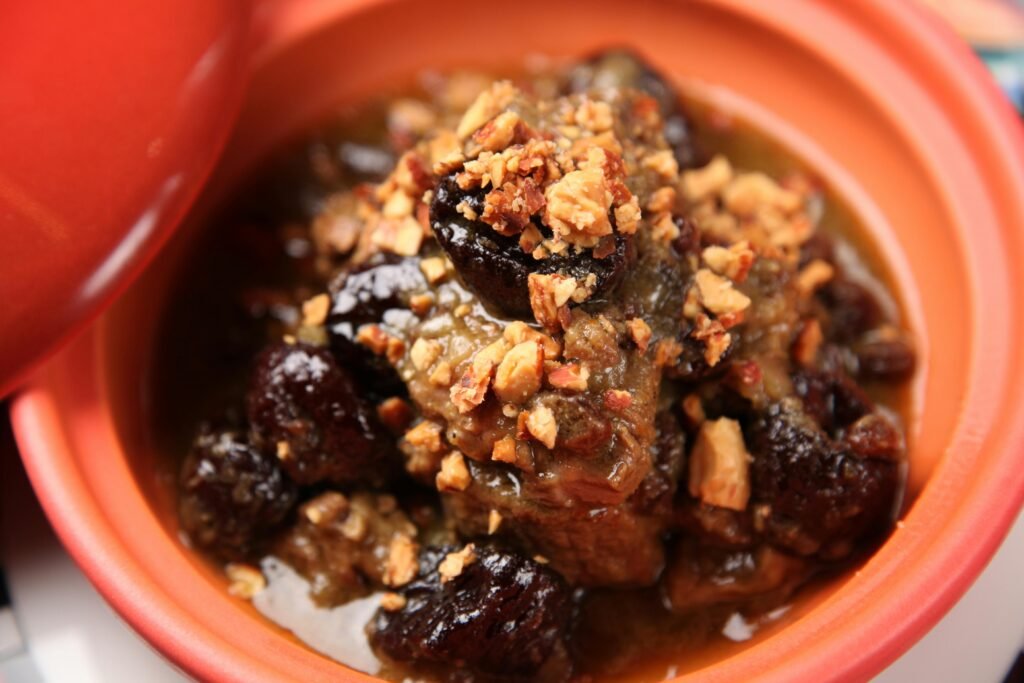
- Lamb Tagine with Prunes: A classic Moroccan specialty featuring tender lamb cooked with prunes, almonds, cinnamon, and aromatic spices for a rich sweet-savory flavor.
- Djaj M’hmer: Traditional roasted chicken marinated with saffron, garlic, and Moroccan spices, typically served with olives and caramelized onions.
- Couscous: One of Morocco’s most beloved dishes, traditionally enjoyed on Fridays. It is usually served with vegetables, chickpeas, and meat, while the tfaya version includes sweet caramelized onions and raisins.
- Tanjia (Marrakech specialty): A famous dish from Marrakech made with lamb or beef slow-cooked in a clay pot until incredibly tender, giving it a deep and flavorful taste.
- Pastilla: A refined Moroccan pie combining sweet and savory flavors, filled with chicken and almonds and wrapped in crispy, flaky pastry dusted with powdered sugar and cinnamon.
- Harira: A traditional soup prepared with tomatoes, lentils, chickpeas, and herbs, often served as a starter or during Ramadan.
- Rfissa: A comforting and flavorful dish made with shredded msemen or trid pastry, chicken, lentils, and a fragrant broth infused with fenugreek, saffron, and ras el hanout. It is commonly prepared for family gatherings and celebrations.
- Kaab el Ghazal (Gazelle Horns): Delicate crescent-shaped pastries filled with almond paste and flavored with orange blossom water, often enjoyed with tea.
- Moroccan Mint Tea: Morocco’s signature drink, prepared with green tea and fresh mint. Traditionally poured from a height to create foam, it represents hospitality and an important part of Moroccan culture.
How to Get to Morocco
Most travelers starting a one week Morocco itinerary arrive by air. The country’s main international airports include Casablanca Mohammed V Airport (CMN), Marrakech Menara Airport (RAK), Tangier Ibn Battuta Airport (TNG), and Agadir Al Massira Airport (AGA).
Casablanca is often the preferred entry point for classic Morocco itineraries thanks to its international connections and central location. Marrakech is a popular choice for travelers focusing on the Sahara Desert and southern Morocco, while Tangier is ideal for exploring northern cities such as Chefchaouen and Tetouan. Agadir is a great option for travelers planning to include beaches and coastal destinations in their itinerary.
Morocco is well connected to the rest of the world, with frequent direct flights from major cities across Europe, the Middle East, North America, and several African countries
How to Get Around Morocco
Traveling around Morocco is relatively simple thanks to the country’s wide range of transportation options. Whether you’re visiting imperial cities, exploring the Atlas Mountains, or heading toward the Sahara Desert, Morocco offers an efficient mix of trains, buses, domestic flights, taxis, and rental cars that fit well within a 1 week Morocco itinerary.
For this particular route, renting a car after leaving Tangier is one of the best options. It provides the flexibility to explore mountain villages, scenic landscapes, and smaller towns at your own pace — places that can sometimes be difficult to reach using public transportation alone.
1. Domestic Flights
Domestic flights are the fastest way to cover long distances, especially if your itinerary includes southern Morocco or remote desert regions. Airlines such as Royal Air Maroc, Air Arabia Maroc and Ryanair operate routes between major cities including Casablanca, Marrakech, Fes, Tangier, Agadir, Dakhla, and Laâyoune.
Flying can save considerable travel time, particularly on longer routes. Platforms like Trip.com are useful for comparing prices and finding the best flight options across Morocco.
2. Rental Cars
Renting a car is ideal for travelers looking to explore Morocco independently. It offers maximum flexibility for discovering coastal roads, mountain regions, desert landscapes, and rural villages at your own rhythm.
Morocco drives on the right-hand side of the road, and highways connecting major cities are generally modern and well maintained. Most travelers can rent a car using their national driver’s license, although an International Driving Permit (IDP) is recommended.
International and local rental companies such as Avis, Hertz, Europcar, Sixt and Budget operate throughout the country, including at major airports and city centers. Many agencies also offer one-way rentals, allowing you to pick up a vehicle in one city and return it in another for an additional fee.
However, driving inside historic medinas such as Marrakech or Fes is not recommended due to narrow streets, heavy traffic, and limited parking access.
3. Public Transportation
Morocco’s train network, operated by ONCF, connects major destinations including Casablanca, Rabat, Tangier, Marrakech, Fes, and Meknes. Trains are generally comfortable, reliable, and affordable, making them an excellent option for long-distance travel during a 7-day Morocco trip.
The Al Boraq high-speed train offers the fastest rail connection between Tangier, Kenitra, Rabat, and Casablanca, significantly reducing travel times across northern Morocco.
For destinations not covered by rail, long-distance bus companies such as CTM and Supratours provide reliable service to cities and regions including Chefchaouen, Essaouira, Merzouga, Agadir, and the High Atlas Mountains.
Within major cities, public transportation is also improving. Casablanca and Rabat both feature modern tramway systems that offer an affordable and efficient way to move around the city. The Casablanca Tramway connects many central neighborhoods and attractions, while the Rabat-Salé Tramway provides smooth connections between Rabat and Salé.
4. Shuttle Services
Private shuttle and transfer services are a convenient option for airport pickups and intercity transportation. Many riads and hotels in cities such as Marrakech and Fes can arrange private transfers, which can be especially useful when navigating busy medina areas.
Travelers seeking a more comfortable door-to-door experience can also book services like Welcome Pickups, which offer fixed pricing, airport meet-and-greet services, and professional drivers.
Morocco also provides affordable public airport connections. In Casablanca, the ONCF airport train links Mohammed V International Airport directly with Casa Port Station and other major stations in the city.
5. Taxis and Ride-Hailing
Taxis are widely available across Morocco and remain one of the easiest ways to travel within cities.
Petit taxis operate inside city limits and are commonly used for short distances, while grand taxis connect cities, towns, and suburban areas. Grand taxis are shared vehicles that usually carry up to six passengers and provide an affordable option for regional travel.
Ride-hailing apps such as inDrive and Careem are also commonly used in major cities including Casablanca, Marrakech, Rabat, and Tangier. These apps offer convenient booking, transparent pricing, and cashless payment options, ideal for your 7 days in morocco itinerary.
Tips for Getting Around Morocco
- Book trains and buses early: During holidays and peak travel seasons, tickets for ONCF trains and CTM buses can sell out quickly.
- Use ride-hailing apps: Apps like inDrive and Careem simplify transportation within major cities.
- Download essential apps: Google Maps, the ONCF app, and the CTM app are useful for checking schedules, routes, and transfers.
- Carry cash: Smaller towns and rural areas may not always accept card payments.
- Consider renting a car: For this 7 day morocco itinerary, renting a car after Tangier offers the greatest flexibility for exploring mountain roads, remote villages, and scenic landscapes.
With the right transportation choices, traveling through Morocco becomes both smooth and enjoyable — allowing you to fully experience the country’s historic medinas, coastal cities, mountain scenery, and desert landscapes with ease.
Your Seven Day Itinerary in Morocco
Option 1: Morocco Highlights
Day 1 – Welcome to Marrakech
Morning
Welcome to Morocco! After arriving at Marrakech Menara Airport (RAK), take some time to settle in, freshen up, and enjoy your first impressions of this vibrant city.
It’s best to keep your first day relaxed—Marrakech’s lively yet welcoming atmosphere offers a smooth and comfortable introduction before you dive deeper into exploring the city or continue your journey elsewhere.
Transport options:
- Grand Taxi: ~$10–$15 USD one way, about 15–20 minutes to central areas (Medina / Jemaa el-Fna / Gueliz). Prices can vary depending on the time of day, with slightly higher fares at night.
- Bus No. 19 (ALSA Shuttle): ~$3 USD one way, around 30–40 minutes to central Marrakech. Buses typically run every 20–30 minutes from early morning to evening; travel time may be longer due to luggage handling and multiple stops.
- Private Transfer: ~$15–$25 USD one way, approximately 15–20 minutes to the city. Pre-booked with a fixed rate and direct door-to-door service—ideal if you have luggage or arrive late.
- Best stress-free option: Book a Welcome Pickups service for a fixed price, including meet-and-greet at arrivals, flight tracking, and a professional driver—perfect after a long flight or if you prefer a smooth, hassle-free arrival without negotiating fares.
Afternoon
Take time to rest and recharge at your hotel after your journey. If you still have energy, consider visiting the Jardin Majorelle.
Created in the 1920s by French painter Jacques Majorelle, this garden is renowned for its striking Majorelle Blue architecture, exotic plants, and tranquil pathways. It was later restored in the 1980s by Yves Saint Laurent and Pierre Bergé.
For lunch, Restaurant Bohème offers authentic Moroccan cuisine in a relaxed, garden-style setting. It’s a great spot after visiting Majorelle, serving classics like tagines, couscous, pastilla, fresh Moroccan salads, along with mint tea and fresh juices.
Evening
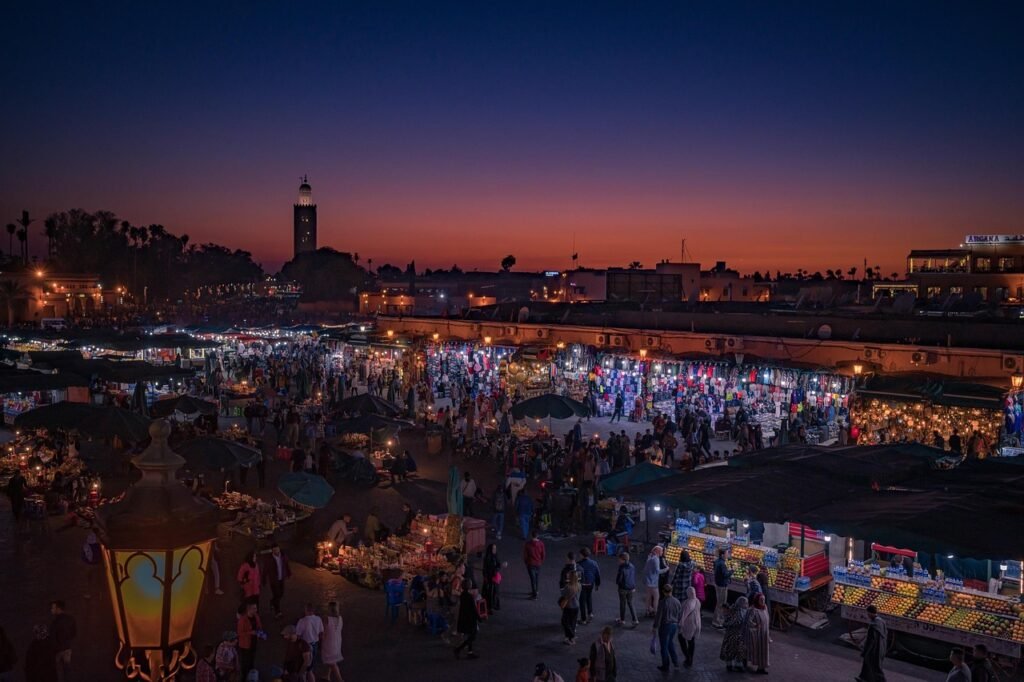
Make your way to Jemaa el-Fna, Marrakech’s iconic central square. As night falls, the area comes alive with street performers, storytellers, and bustling crowds—an unforgettable first taste of the city. Try local street food from the stalls, such as grilled brochettes, harira soup, snail soup, fresh orange juice, and Moroccan pastries. For a more substantial meal, opt for traditional dishes like lamb or chicken tagine, couscous, or zaalouk at one of the rooftop cafés overlooking the square.
Afterward, check into your hotel or riad and unwind following a long but rewarding travel day.
Where to Stay in Marrakech
Hotel/Neighborhood Tip: For the best stay in Marrakech, consider three distinct areas depending on your travel style. The Medina delivers an authentic Moroccan atmosphere, with its winding alleys, bustling souks, and traditional riads, immersing you in the city’s cultural core. If you’re drawn to a more contemporary setting, Gueliz—the New Town—features broad avenues, trendy cafés, shopping spots, and art galleries, blending modern energy with convenient access to the Medina. For a more refined and tranquil stay, Hivernage is known for its luxury hotels, chic restaurants, and calm ambiance, all within close reach of major attractions. Each neighborhood offers its own appeal, whether you prioritize tradition, modern living, or upscale comfort.
Hotel options across budgets:
- Budget-Friendly: Riad Dar Saba Shika and Hostel Amour d’Auberge both offer affordable stays with very different atmospheres. Riad Dar Saba Shika is a classic riad tucked inside the Medina, offering a quiet and intimate escape with cozy rooms and a serene setting—ideal for couples or solo travelers looking for authenticity and relaxation. In contrast, Hostel Amour d’Auberge is geared toward backpackers and solo visitors seeking a more social environment. With shared accommodations and lively common spaces, it’s perfect for meeting fellow travelers while staying close to key attractions on a budget.
- Mid-Range: Riad Al Badia and The Little Hara are excellent mid-range choices for those wanting comfort and charm without overspending. Riad Al Badia showcases a traditional Moroccan style with elegant rooms, a lovely courtyard, and a refreshing pool, creating a peaceful retreat within the Medina. The Little Hara, located near the lively center, combines modern touches with traditional elements, offering bright, comfortable rooms and attentive service—ideal for travelers who appreciate both style and convenience.
- Luxury: For a high-end experience, La Mamounia and Les Jardins de La Koutoubia rank among the finest options. La Mamounia is a legendary five-star palace known for its exceptional service, lavish Moroccan design, expansive gardens, and top-tier amenities, including a spa, fine dining, and exclusive pools—making it a standout choice for luxury seekers. Meanwhile, Les Jardins de La Koutoubia, located just steps from the Koutoubia Mosque, offers an elegant mix of comfort and prime location. With its rooftop views, refined rooms, excellent dining, and indulgent spa, it ensures a memorable and sophisticated stay in the heart of Marrakech.
Recommended Tours & Experiences
- Agafay Desert Adventure: Quad, Camel & Sunset: Experience the excitement of quad biking, unwind with a peaceful camel ride at sunset, and enjoy a traditional Berber dinner beneath the stars. This journey through the Agafay Desert offers a perfect mix of adventure and cultural immersion just outside Marrakech.
- Sunrise Hot Air Balloon Over the Atlas Mountains: Drift above the stunning Atlas Mountains at sunrise, taking in sweeping views of valleys and Berber villages. Start your morning with a light breakfast before takeoff and finish with a traditional meal after landing for a truly memorable experience.
- Marrakech Medina & Monuments Tour: Wander through the lively Medina, exploring colorful souks, hidden alleyways, and landmarks such as the Koutoubia Mosque, Bahia Palace, and Saadian Tombs. This guided walking tour brings centuries of history, architecture, and craftsmanship to life.
- Ourika Valley & Atlas Mountains Day Trip: Take a refreshing break from the city with a visit to the Ourika Valley. Enjoy panoramic mountain views, visit a women-run argan oil cooperative, and hike to the scenic Setti Fatma Waterfalls while discovering local Berber culture.
- Marrakech Medina & Hidden Gems Tour: Explore the vibrant streets of the Medina with a knowledgeable guide. Visit the Bahia Palace, uncover tucked-away gardens, and dive into the world of artisan crafts and Moroccan heritage on this immersive walking experience.
- Marrakech Medina & Secret Treasures Tour: Discover the charm of Marrakech with a local expert as you visit the Ben Youssef Medersa, wander through bustling souks, and uncover hidden gardens. This tour blends history, craftsmanship, and vibrant market life into one unforgettable journey.
Day 2 – Full Day in Marrakech
Morning
Begin your day at Bahia Palace, a 19th-century masterpiece celebrated for its intricate zellij tilework, carved cedar ceilings, and lush gardens. Wander through its refined rooms and peaceful courtyards, soaking in the elegance of traditional Moroccan design.
Next, visit El Badi Palace, the ruins of a grand 16th-century complex commissioned by Ahmad al-Mansur. Cross its vast courtyards, observe the remaining decorative elements, and imagine the former splendor of this once-magnificent palace.
Continue on to the Saadian Tombs, a historic burial site rediscovered in the early 20th century. Take time to admire the detailed mosaics and learn about the legacy of the Saadian dynasty as you explore this serene space.
Transport:
- Walking or petit taxi between sites (~5–10 minutes)
Afternoon
Head outside to view the Koutoubia Mosque from the exterior, one of Marrakech’s most iconic landmarks. Its 77-meter minaret, dating back to the 12th century, dominates the skyline and reflects classic Almohad architecture with graceful arches and refined details. While non-Muslim visitors cannot enter, the surrounding gardens provide a pleasant setting for a stroll and photos.
Then dive into the lively souks of the medina—Souk Semmarine, Souk Ableuh, and the spice market. These bustling, narrow streets are filled with spices, textiles, ceramics, jewelry, and handmade goods. Explore the different sections, bargain for souvenirs, and watch artisans at work.
For lunch, stop at Tanjia Secrets, a well-known local spot famous for its authentic tanjia, slow-cooked to perfection and served with traditional bread and sides—an ideal way to sample one of Marrakech’s signature dishes in the heart of the medina.
Transport:
- Walking through the medina; petit taxis available for longer distances (~5–10 minutes)
Evening
Wrap up your day with a traditional hammam experience, enjoying a Moroccan bath and massage. Good options include Hammam Nilo for authentic, budget-friendly treatments, or Les Bains de Marrakech for a more luxurious spa experience in an elegant setting.
Alternatively, have dinner on a rooftop terrace overlooking Jemaa el-Fna, where you can take in the vibrant atmosphere as the square comes alive with performers, food stalls, and glowing lights.
Day 3 – Marrakech → Kelaat Magouna
Important note
Renting a car at this point is highly recommended, as it allows you to explore the next destinations with ease and flexibility.
Morning
It’s time to leave the amazing Marrakech to discover the infamous Ait Ben Haddou after taking a nutritious breakfast at Ozen café or Mandala Society.
Transport:
- Marrakech → Ait Ben Haddou: ~3 hours 45 minutes by car
Afternoon
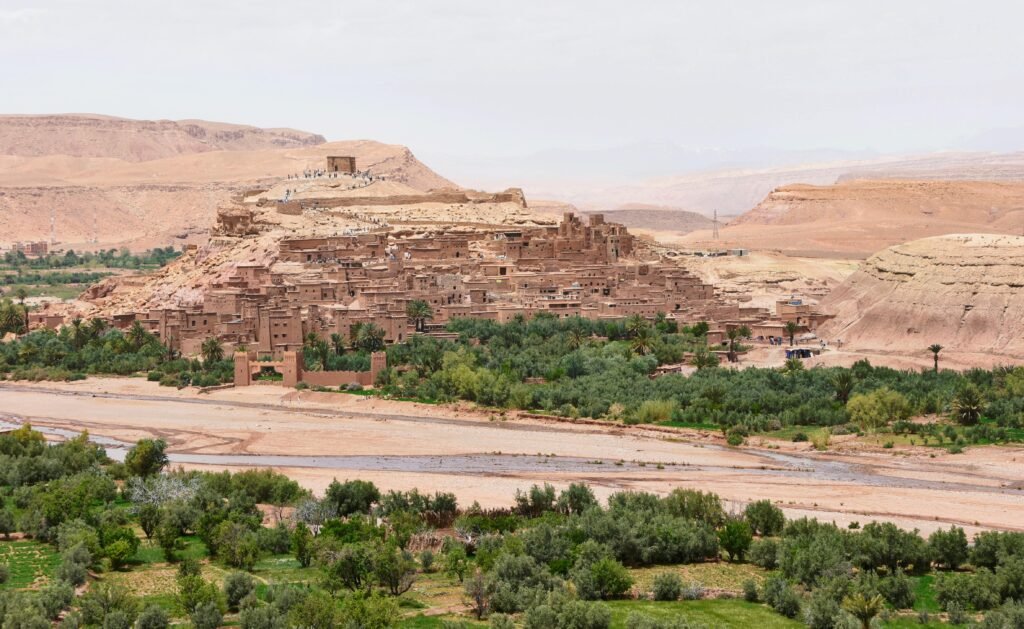
Arrive at Ait Ben Haddou, the iconic fortified village recognized as a UNESCO World Heritage Site. Take some time to explore the ksar’s kasbahs, narrow passageways, and centuries-old architecture that have made it a favorite backdrop for films and photography. Stroll up to the hilltop paths and the ancient granary for sweeping panoramic views over the desert plains and the Atlas Mountains—especially striking in the soft afternoon light. Along the way, you can meet local residents or browse handmade Berber pottery, carpets, and jewelry crafted by nearby artisans, offering a glimpse into traditional life.
After your visit, grab lunch at restaurant Moussa offering traditional food options and a great view of the kasbah . Continue your drive through the High Atlas Mountains, taking in winding roads, seasonal snow-capped peaks, and dramatic landscapes on your way to Kelaat Mgouna.
Transport:
- Ait Ben Haddou: → Kelaat Mgouna : ~2 hours by car
Evening
Arrive in Kelaat Mgouna, the heart of the Valley of Roses, and settle into your hotel. Spend the evening exploring the local shops, where you can discover a variety of rose-based products such as rose water, perfumes, soaps, and essential oils. If you’re visiting during spring, you’ll experience the famous rose season, when the valley is filled with blooming roses and vibrant colors.
In the evening, enjoy dinner at Rosa Express Lunch before returning to your hotel to relax and prepare for tomorrow’s adventure.
Where to stay in Kelaat Mgouna
Hotel/Neighborhood Tip: For the most convenient stay in Kelaat Mgouna, choose accommodation in the town center or in nearby villages along the Rose Valley such as Bou Tharar or Hdida. Staying in the center gives you easy access to local cafés, rose-product cooperatives, restaurants, and transport connections, while valley guesthouses offer a quieter atmosphere close to the rose fields and hiking routes. These areas are ideal for exploring the Valley of Roses, visiting traditional kasbahs, and enjoying scenic drives through the Dadès Valley.
Hotel options across budgets:
- Budget-Friendly: Escape to Les Jardins de Mgoun, a tranquil guesthouse surrounded by the stunning landscapes of the Valley of Roses. With its peaceful gardens, panoramic terraces, authentic local cuisine, and warm Moroccan hospitality, this charming retreat offers the perfect blend of comfort and nature for travelers seeking relaxation and an authentic countryside experience near Kelaat M’Gouna.
- Mid-Range: Treat yourself to a peaceful stay at Riad Tazawa, a charming riad nestled near the Valley of Roses. Surrounded by nature and traditional Berber landscapes, the property offers an authentic Moroccan experience with elegant rooms, a serene outdoor pool, garden terraces, generous local cuisine, and warm personalized hospitality — the perfect retreat to relax after exploring the rose valley and nearby Dadès Gorges.
Recommended Tour
- The Essence of Morocco’s Valley of Roses: Discover the soul of Morocco’s Valley of Roses through an authentic experience dedicated to the legendary Damask rose. Walk through fragrant blooming fields with a local guide, learn about traditional rose harvesting, and visit a certified women’s cooperative producing rose water, essential oils, and natural cosmetics. End the journey with a glass of traditional Moroccan rose tea and a taste of the valley’s rich cultural heritage.
Day 4 – Kelaat Mgouna → Merzouga
Morning
Wake up early and take your breakfast in your hotel. Prepare yourself for the next adventure : Todgha Gorge . Arrive at the Gorge, one of Morocco’s most breathtaking natural landmarks. Stroll through the canyon beneath towering red limestone cliffs sculpted by centuries of flowing water, and discover narrow pathways winding through the gorge.
Explore nearby Berber villages, admire traditional kasbah architecture, and pause at local cafés to enjoy fresh juice or traditional mint tea by the river. The dramatic scenery offers incredible photography opportunities, from sheer canyon walls to everyday village life, while adventure seekers can also experience world-class rock climbing with the help of local guides.
Transport:
- Kelaat Mgouna→ Todgha Gorge : ~1 hours and 13 minutes by car
Afternoon
Arrive at your desert camp in Merzouga and take some time to eat , settle in and leave your belongings behind. Before sunset, embark on a camel trek through the dunes, crossing the golden sands as the landscape transforms into rich shades of orange and red—an unforgettable Sahara experience.
Transport:
- Todgha Gorge→ Merzouga : ~3 hours and 30 minutes by car
Evening
After the trek, return to camp for a traditional dinner under the stars, then unwind around the campfire with local music and storytelling.
Where to Stay in Merzouga
Hotel / Neighborhood Tip: For the ultimate desert experience, stay near Merzouga Village or along the stunning Erg Chebbi dunes. These locations provide easy access to camel treks, sunrise and sunset viewpoints, sandboarding, and 4×4 desert excursions. Staying close to the dunes immerses you in spectacular Sahara scenery, while the village area offers convenient access to cafés, small shops, tour departures, and local transportation.
Hotel options across budgets:
- Budget-Friendly: Bivouac Erg Znaigui is a charming desert camp offering authentic Sahara hospitality, peaceful surroundings, and a comfortable stay near the dunes of Merzouga. Overnight Camp Merzouga & Camel Tours offers a classic Sahara experience with camel rides, stunning sunsets, and unforgettable nights under the stars in a traditional desert camp.
- Mid-Range: Desert Camp Amanar offers a traditional Sahara stay near the dunes, combining authentic desert tents with unforgettable camel rides and sunset experiences. Riad Les Jardins de Merzouga is a charming riad blending traditional Moroccan style with modern comfort, perfectly located for exploring the desert. Riad La Luna is a peaceful retreat known for its elegant décor, relaxing garden, and warm hospitality — ideal after a day in the dunes.
- Luxury: Royal Luxury Camp offers an elegant Sahara escape with luxury desert tents, personalized service, and stunning views over the Erg Chebbi dunes. Hassilabiad Appart Hotel combines modern comfort, stylish design, and warm hospitality in a peaceful desert setting near Merzouga. Imperial Glory Lodges features chic lodges and immersive Sahara experiences, blending refined comfort with the tranquility of a luxury desert oasis.
Recommended Tours & Experiences
- “Merzouga Desert Adventure: Camel Ride & Overnight in Erg Chebbi”: Journey across the golden dunes on camelback, try sandboarding, and enjoy a traditional Berber dinner beneath the stars. Wake early to witness a breathtaking Sahara sunrise before returning with unforgettable desert memories.
- “Luxury Desert Escape: Camel Ride & Private Tent in Erg Chebbi”: Experience the magic of Erg Chebbi with a sunset camel ride, sandboarding, and an overnight stay in a private tent with an ensuite bathroom. Enjoy Berber tea, a traditional dinner, campfire drumming, and a spectacular sunrise over the dunes.
- Erg Chebbi Sunset & Sunrise Desert Adventure: Ride through the dunes by camel, spend the night in a private desert tent, and savor a traditional dinner under the night sky. In the morning, admire the sunrise before returning by camel or 4×4, completing an unforgettable Sahara adventure.
Day 5 – Merzouga → Fes
Morning
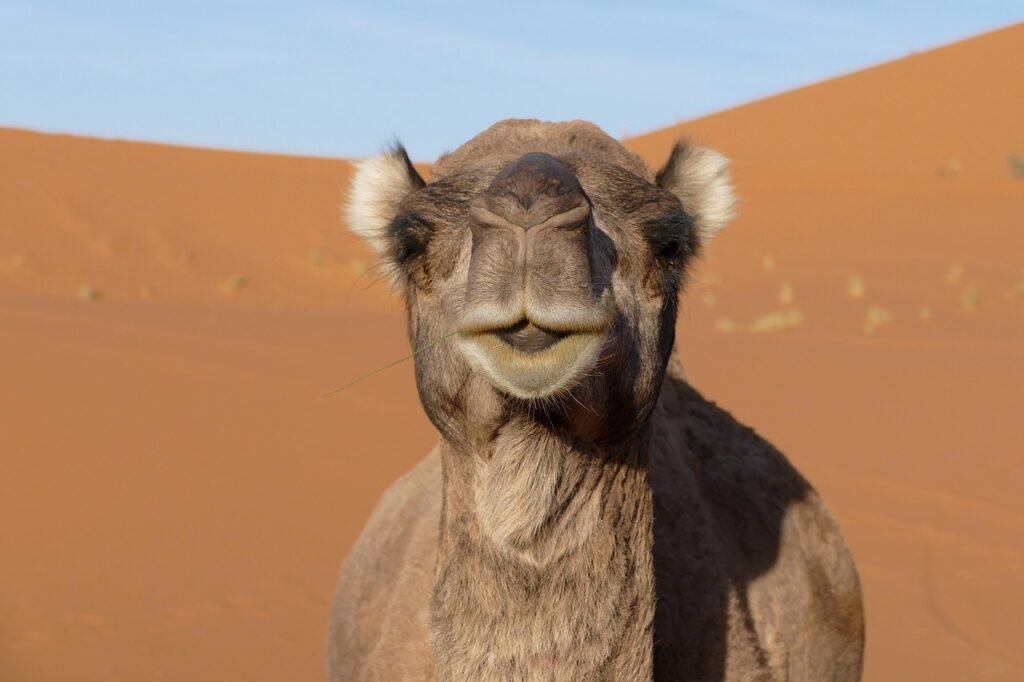
Wake up early to witness the sunrise over the majestic Erg Chebbi dunes, as the Sahara slowly glows in beautiful shades of gold and pink. Take a peaceful walk across the cool sand and soak in the calm atmosphere of the desert morning. After breakfast, you may have the opportunity to taste camel milk, a traditional Saharan drink, before heading to Khamlia village, famous for its vibrant Gnawa music heritage. Enjoy live performances by local musicians and discover the unique cultural traditions of this desert community.
Late Morning (Optional – Summer Season Only)
Travelers visiting between late June and early September can choose to experience sand bathing, also known as psammotherapy. Guided by local experts, participants are gently covered in naturally heated desert sand for a short session, typically lasting 10 to 20 minutes. This traditional therapy is believed to ease muscle and joint discomfort. After the session, relax in the shade, drink plenty of water, and enjoy refreshing herbal tea.
Afternoon
Continue your journey toward Fes, passing through changing landscapes as you travel deeper into Morocco’s historic and cultural heartland. You may also have the option to enjoy barbecued meat in one of the small towns along the way.
Transport:
- Merzouga → Fes ⏱️ Approximately 7 hours and 30 minutes by car
Evening
Arrive in Fes in the evening and check into your riad or hotel. After a day on the road, take time to relax and enjoy a restful evening before exploring the city.
For an authentic Moroccan dining experience in the heart of the medina, Darori Resto is a great choice. Enjoy traditional specialties such as chicken tagine with preserved lemons and olives, or savor a flavorful pastilla — a delicious introduction to the rich culinary heritage of Fes.
After dinner, enjoy a leisurely evening stroll through the winding streets of the medina, or unwind at your riad with a final cup of traditional mint tea. Fes takes on a special charm at night, with softly illuminated alleyways and the distant echo of the call to prayer creating a peaceful and memorable atmosphere — the perfect ending to your first day in this historic city.
Where to Stay in Fes
Hotel/Neighborhood Tip: For the most immersive experience, stay in or near Fes El Bali, the city’s historic old medina. This UNESCO-listed area places you within walking distance of major landmarks such as University of al-Qarawiyyin, the famous tanneries, and the vibrant souks. It’s also convenient for taxis and guided tour pick-ups, making it an ideal base for exploring the cultural heart of the city.
Hotel options across budgets:
- Budget-Friendly: Riad Braya offers a charming stay with authentic Moroccan décor and a cozy atmosphere in the heart of the medina, while Riad Hidaya provides a comfortable and budget-friendly experience ideal for travelers seeking traditional hospitality and great value.
- Mid-Range: Riad Semlalia blends classic Moroccan charm with modern comfort, creating a peaceful retreat after a day exploring the medina, while Riad Jardin des Biehn is celebrated for its elegant gardens, beautiful décor, and tranquil pool area in a serene setting.
- Luxury: Palais Amani offers a refined luxury experience with sophisticated Moroccan design, exceptional dining, and attentive hospitality, while Riad Fes is renowned for its timeless elegance, romantic atmosphere, and world-class service in the heart of the medina.
Recommended Tours & Experiences
- “From Fes to the Middle Atlas: Berber Culture & Nature Escape”: Journey into the scenic Middle Atlas Mountains, where you’ll visit Berber families living in traditional cave homes, explore the alpine-inspired town of Ifrane, and discover the cedar forests near Azrou, home to endangered Barbary macaques. A wonderful mix of culture, landscapes, and wildlife.
- “Fes Day Trip: Volubilis, Moulay Idriss & Meknes Highlights”:: Step back in time at Volubilis, Morocco’s best-preserved Roman archaeological site. Continue to Moulay Idriss Zerhoun for panoramic views and spiritual history before exploring the imperial city of Meknes and its grand monuments.
- “Fes Medina Walking Tour: Secrets & Souks”: Discover the hidden corners of the medina alongside a local guide as you wander through bustling souks, artisan workshops, and historic landmarks such as Bou Inania Madrasa and Nejjarine Museum of Wooden Arts & Crafts. An immersive introduction to the city’s traditions and daily life.
- Fes Hammam & Moroccan Spa Ritual: Relax with a traditional Moroccan hammam experience featuring steam baths, exfoliation treatments, and a soothing massage. A perfect way to unwind and recharge after days of exploring the medina.
- “Fes Culinary Experience: Market to Medina Table”: Experience the flavors of Morocco through a hands-on cooking class that begins with a guided visit to the local market. Learn traditional cooking techniques, discover aromatic spices, and enjoy the delicious meal you prepare in a warm, welcoming setting.
- Fes Pottery Painting Experience: Create your own colorful Moroccan pottery piece with guidance from local artisans. This fun and creative activity is ideal for families, beginners, or anyone looking for a unique handmade souvenir from Fes.
Day 6 – Fes
Morning
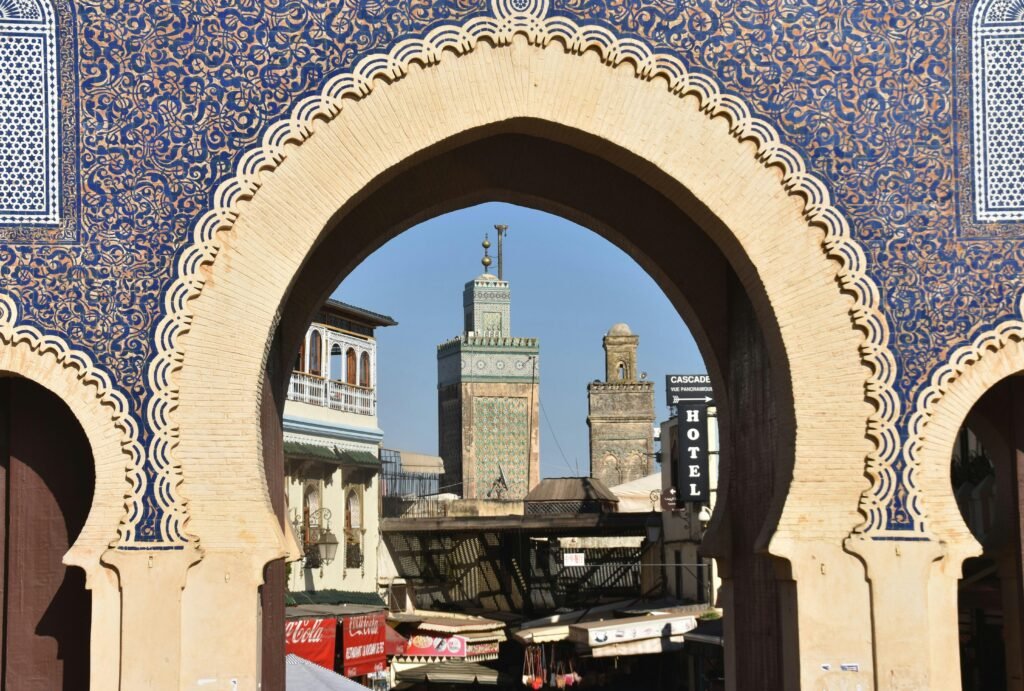
Begin your day exploring Fes El Bali, a UNESCO World Heritage Site and one of the world’s largest and best-preserved medieval cities. Enter through Bab Bou Jeloud, the famous Blue Gate and the iconic entrance to the medina.
Before wandering deeper into the maze-like streets, enjoy a traditional Fassi breakfast at El Forno, a local favorite known for its authentic morning dishes. If you prefer something more hearty and deeply local, head to Café Brésilienne (Broceliande) for a comforting bowl of bissara — a creamy fava bean soup topped with olive oil and cumin, served with warm bread. Simple, filling, and especially popular among locals in the morning.
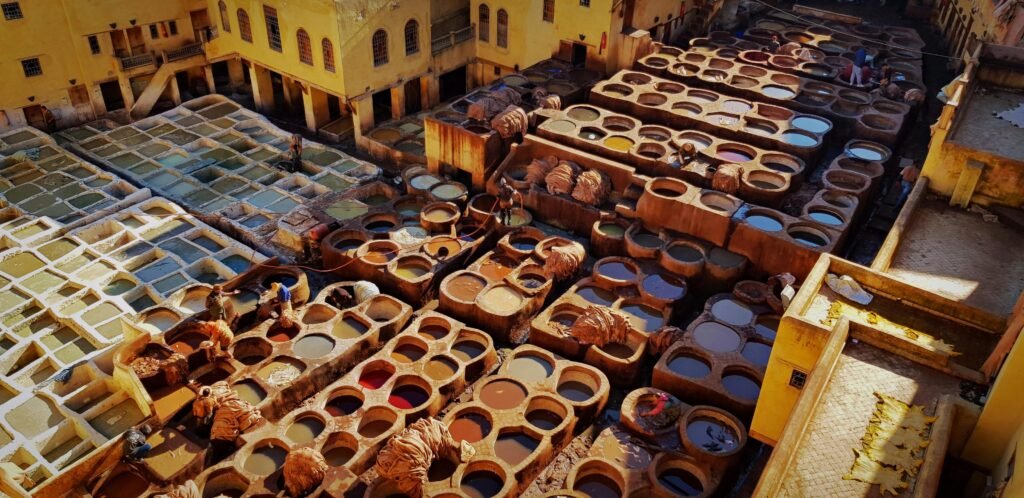
Continue to Chouara Tannery, the city’s oldest and largest tannery. From one of the nearby terraces, admire the vibrant dye vats and discover the centuries-old leather-making traditions that remain an important part of Fes’s artisan heritage.
Afternoon
Spend the afternoon visiting some of the city’s most remarkable madrasas. Bou Inania Madrasa is renowned for its intricate zellige tilework, carved plaster, and cedar wood craftsmanship. Nearby, Al-Attarine Madrasa offers a smaller but equally stunning example of traditional Moroccan architecture.
Next, explore the surroundings of University of al-Qarawiyyin, widely recognized as the oldest continuously operating university in the world. Although non-Muslims cannot enter the mosque, the beautiful exterior architecture and surrounding alleyways are well worth discovering.
Continue wandering through the medina’s artisan districts, including Nejjarine Square, home to the elegant Nejjarine Fountain and the Nejjarine Museum of Wooden Arts & Crafts.
For lunch, enjoy a meal at Restaurant Dar Hatim, a warm and welcoming family-run riad restaurant. Their chicken pastilla is a standout Fassi specialty, beautifully balancing sweet and savory flavors, while the lamb tagine with prunes is tender, aromatic, and richly spiced. The selection of Moroccan salads is also a fresh and flavorful way to begin your meal.
Evening
As evening approaches, head to panoramic viewpoints such as Borj Nord or Borj Sud for breathtaking views over the medina as the sun sets and the city gradually lights up.
For dinner, head to The Ruined Garden, a charming open-air restaurant set in a relaxed garden atmosphere. Enjoy slow-cooked lamb shoulder and end your meal with their delicious date cake drizzled in caramel sauce.
If you prefer a more casual option, Le Tarbouche is a cozy medina favorite, well known for comforting dishes such as kefta tagine, traditional harira soup, and refreshing avocado smoothies.
Day 7 – Departure from Fes or Casablanca
On your final day, enjoy a slow and relaxing morning. Take your time packing and soaking in your final moments in Morocco before your departure.
If you are departing from Casablanca, use the day for a relaxed transfer without any major sightseeing planned, allowing yourself plenty of time to reach the airport comfortably before your flight.
Transport options:
Option A: Hotel → Fes–Saïss Airport
- Grand Taxi: ~ $6–$10 USD one way, ~ 20–30 min from central areas (Fes El Bali / Ville Nouvelle). Prices may vary slightly depending on time of day, with late-night fares often a bit higher.
- Local Taxi (Petit Taxi / Metered or negotiated ride): ~ $5–$8 USD one way, ~ 20–30 min to the airport. Widely available in the city, but always confirm the fare before departure as meters are not always used.
- Private Transfer: ~ $12–$25 USD one way, ~ 20–30 min to the airport. Pre-booked, fixed price, direct door-to-door service — ideal if you have luggage, are traveling early, or want a hassle-free departure.
- Best stress-free choice: Book a service like Welcome Pickups for a fixed price, meet-and-greet, flight tracking, and a professional driver — ideal for a smooth, reliable transfer to Fes–Saïss Airport without negotiating or last-minute stress.
Option B: Fes → Casablanca airport (approx. 5 – 6 hours by car/train)
Option 2: “Atlantic Escape: Surf & Serenity”
Day 1 – Arrival in Marrakech
Morning
Welcome to Marrakech — Morocco’s famous Red City, celebrated for its rich history, vibrant souks, and iconic landmarks.
Transport options:
- Grand Taxi — Approximately $10–15 USD one way, with a travel time of around 15–20 minutes to central areas such as the Medina, Jemaa el-Fna, or Gueliz. Prices may vary depending on the time of day, with slightly higher fares at night.
- Bus No. 19 (ALSA Shuttle) — Approximately $3 USD one way, taking about 30–40 minutes to reach central Marrakech. Buses usually operate every 20–30 minutes from early morning until evening. Travel times may be slightly longer due to multiple stops and luggage handling.
- Private Transfer — Approximately $15–25 USD one way, with a direct 15–20 minute journey into the city. This option offers fixed pricing and convenient door-to-door service, especially useful for late arrivals or travelers with luggage.
- Recommended Stress-Free Option — Book a private Welcome Pickups transfer for fixed pricing, flight monitoring, meet-and-greet service at arrivals, and a professional driver. It’s an excellent choice for a smooth and comfortable arrival experience.
Afternoon
After your flight, take some time to relax at your hotel or riad. If you still have energy to explore, visit the beautiful Jardin Majorelle.
Created in the 1920s by French painter Jacques Majorelle, the garden is renowned for its striking Majorelle Blue architecture, exotic plants, and peaceful pathways. In the 1980s, it was lovingly restored by Yves Saint Laurent and Pierre Bergé.
For lunch, Restaurant Bohème is a wonderful choice near the garden. Known for its relaxed atmosphere and authentic Moroccan cuisine, it serves traditional favorites such as tagines, couscous, pastilla, Moroccan salads, fresh juices, and mint tea.
Evening
Spend your evening in Jemaa el-Fna, Marrakech’s legendary central square and one of the city’s most vibrant attractions.
As night falls, the square comes alive with storytellers, musicians, street performers, and bustling food stalls. Sample local specialties such as grilled brochettes, harira soup, snail soup, fresh orange juice, and Moroccan pastries. For a more substantial meal, enjoy classics like lamb or chicken tagine, couscous, or zaalouk at one of the rooftop cafés overlooking the square.
Afterward, return to your hotel or riad to unwind after a memorable first day in Marrakech.
Where to Stay in Marrakech
Hotel / Neighborhood Tip: Choosing the right neighborhood can shape your experience in Marrakech. The Medina of Marrakech is ideal for travelers seeking an authentic Moroccan atmosphere, with traditional riads, winding alleyways, bustling souks, and rich historic charm at its core. Gueliz offers a more modern side of the city, featuring trendy cafés, shopping streets, art galleries, and a contemporary urban feel while still being close to the Medina. For a quieter and more refined stay, Hivernage is known for its upscale hotels, elegant restaurants, and relaxed atmosphere, all conveniently located near many of the city’s main attractions.
Hotel options across budgets:
- Budget-Friendly: Riad Dar Saba Shika offers a peaceful and authentic medina stay with cozy rooms and a serene courtyard, ideal for couples and solo travelers, while Hostel Amour d’Auberge provides a lively, budget-friendly atmosphere perfect for backpackers looking to socialize and stay close to the city’s main attractions.
- Mid-Range: Riad Al Badia is a charming riad featuring elegant Moroccan décor, a peaceful courtyard, and a refreshing small pool in the heart of the medina, while The Little Hara offers a stylish boutique stay combining modern comfort with traditional Moroccan touches near the city’s main attractions.
- Luxury: La Mamounia is one of Marrakech’s most iconic luxury hotels, celebrated for its lavish Moroccan design, lush gardens, exceptional spa, and world-class dining, while Les Jardins de La Koutoubia offers elegant luxury near the Koutoubia Mosque with refined rooms, rooftop views, gourmet cuisine, and a relaxing spa experience.
Recommended Tours & Experiences
- “Agafay Desert Adventure: Quad, Camel & Sunset”: Discover the rugged beauty of the Agafay Desert with an exhilarating quad bike ride, a peaceful camel trek at sunset, and a traditional Berber dinner beneath the stars.
- Sunrise Hot Air Balloon Over the Atlas Mountains: Soar above the breathtaking Atlas Mountains at sunrise while enjoying panoramic views of valleys and Berber villages, followed by traditional Moroccan breakfast experiences.
- Marrakech Medina & Monuments Tour: Explore the vibrant Medina while visiting landmarks such as the Koutoubia Mosque, Bahia Palace, and Saadian Tombs.
- Ourika Valley & Atlas Mountains Day Trip: Escape the city to discover the scenic Ourika Valley, visit a women-run argan cooperative, and hike to the beautiful Setti Fatma Waterfalls.
- Marrakech Medina & Hidden Gems Tour: Wander through bustling souks, hidden courtyards, and secret gardens while learning about Moroccan history, craftsmanship, and local culture from an experienced guide.
- Marrakech Medina & Secret Treasures Tour: Visit the historic Ben Youssef Madrasa, explore vibrant markets, and uncover hidden architectural gems during an immersive guided walking tour.
Day 2 – Marrakech → Essaouira
Morning
Depart from Marrakech and journey west toward the charming coastal city of Essaouira. Along the scenic drive, you’ll pass through Morocco’s famous argan tree landscapes, where goats are often seen climbing the trees in search of fruit. Consider stopping at a women-run argan oil cooperative to discover the traditional production process and sample locally made products.
Transport options:
1. Private Transfer / Taxi
- Duration: Approximately 2.5–3 hours
- Cost: Around $60–90 USD per vehicle
- Details: A comfortable and convenient door-to-door option, especially ideal for groups or travelers with luggage.
2. Bus
- Companies: Supratours and CTM
- Duration: Approximately 3–4 hours
- Cost: Around $9–12 USD per person
- Details: Reliable and affordable, with air-conditioned coaches and luggage storage. Multiple departures are available daily from Marrakech’s main bus stations.
3. Car Rental
- Duration: Approximately 2.5–3 hours
- Cost: Typically $25–50 USD per day for a small car
- Details: Ideal for travelers who want flexibility to stop at scenic viewpoints or argan cooperatives along the route. The drive via the N1 highway is straightforward and well maintained.
Afternoon
Option 1: Stay in Essaouira
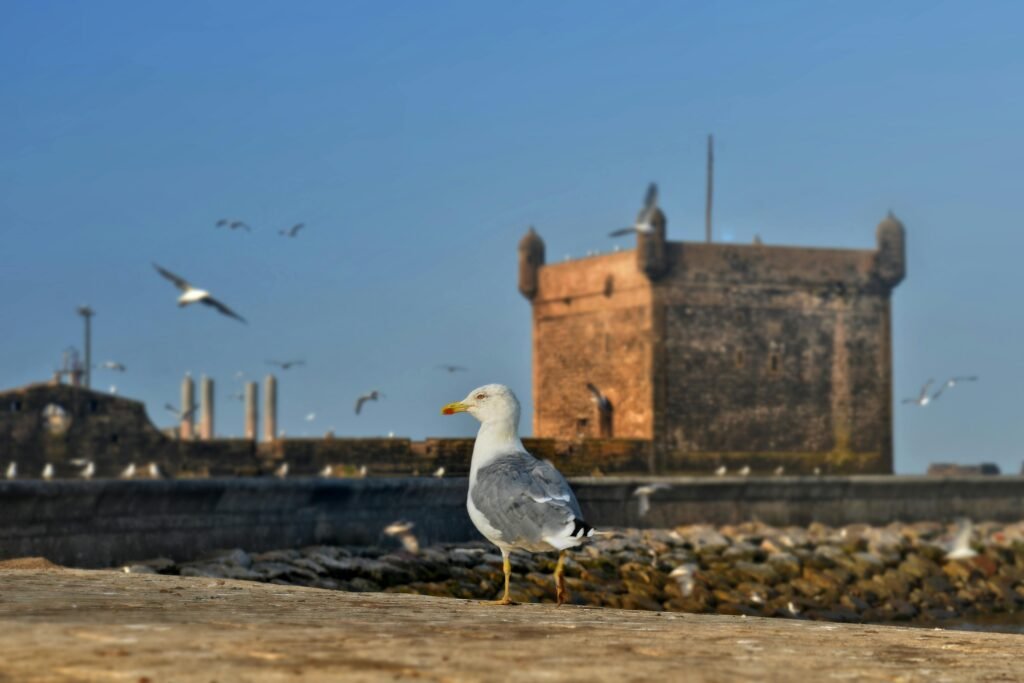
Upon arrival in Essaouira, begin exploring the enchanting Medina of Essaouira, a UNESCO-listed old town famous for its white-and-blue architecture, laid-back atmosphere, and artisan culture.
Stroll through the narrow alleyways lined with handicraft shops, art galleries, and local boutiques. Walk along the historic Skala de la Ville for sweeping views of the Atlantic Ocean and the city’s impressive fortifications.
For lunch, head toward the harbor area and enjoy freshly grilled seafood prepared straight from the day’s catch.
Option 2: Take a short excursion to Sidi Kaouki Beach
In the afternoon, take a short excursion to Sidi Kaouki Beach, a peaceful coastal village located about 25 minutes south of Essaouira. Famous for its expansive sandy beach, powerful Atlantic waves, and laid-back surfer atmosphere, Sidi Kaouki is the perfect escape for travelers seeking tranquility and natural coastal beauty.
Spend your time strolling along the shoreline, relaxing on the sand, or watching surfers and kite surfers glide across the waves. For a more memorable experience, consider taking a camel or horseback ride along the beach while enjoying stunning Atlantic Ocean views.
For lunch, stop at La Mouette et Les Dromadaires, a relaxed beachfront restaurant known for its fresh seafood, traditional Moroccan cuisine, and beautiful oceanfront setting.
Transport options:
1. Taxi / Private Transfer
- Duration: Approximately 25 minutes
- Cost: Around $20–30 USD round trip
- Details: The most convenient option. You can arrange for the driver to wait or schedule a return pickup to Essaouira.
2. Grand Taxi (Shared Taxi)
- Duration: Approximately 25–30 minutes
- Cost: Around $4–6 USD per person each way
- Details: A budget-friendly option departing from taxi stands in Essaouira once the vehicle is full.
3. Car Rental / Scooter
- Duration: Approximately 25 minutes
- Cost: Around $20–40 USD per day depending on the vehicle
- Details: Ideal for travelers who want the flexibility to explore nearby coastal villages and scenic viewpoints at their own pace.
Return to Essaouira in the late afternoon and enjoy a relaxing evening by the sea.
Evening
In the evening, stop by Crepes Time to enjoy one of their popular sweet or savory crêpes.
Afterward, take a relaxing walk along Essaouira Beach and enjoy the refreshing sea breeze and sunset views over the Atlantic Ocean.
For dinner, consider dining at Khmissa or Restaurant Dar Aicha, both known for serving authentic Moroccan cuisine in atmospheric settings within the Medina.
End the evening with a peaceful stroll through the softly illuminated streets of the Medina before returning to your riad.
Where to Stay in Essaouira
Hotel / Neighborhood Tip: Medina of Essaouira is ideal for travelers seeking an authentic Moroccan atmosphere, with charming riads, artisan workshops, and lively alleyways set in the heart of the old town. The Essaouira Port area offers a more energetic waterfront experience, with bustling seafood restaurants, relaxed cafés, and easy access to the fishing port along with sweeping ocean views. For those looking for a quieter and more refined stay, Diour Jdad and the surrounding upscale areas feature elegant boutique hotels and stylish riads, conveniently located between the beach and the Medina. Each neighborhood delivers a distinct atmosphere, whether you prefer historic charm, coastal vibrancy, or relaxed, upscale comfort.
Hotel options across budgets:
- Budget-Friendly: Hôtel Emeraude Essaouira offers a comfortable and affordable stay in the heart of the medina with cozy rooms and easy access to the city’s main attractions, while Riad Al Khansaa combines traditional Moroccan charm with a warm atmosphere and beautiful ocean views.
- Mid-Range: Riad Chbanate blends authentic Moroccan elegance with refined comfort in a prime medina location, while Riad Emotion offers a stylish and relaxing stay known for its warm hospitality and excellent value.
- Luxury: Hôtel le Médina Essaouira Thalassa Sea & Spa MGallery is a beachfront luxury retreat offering a private beach, swimming pool, spa, and stunning panoramic views of the Atlantic Ocean, while Salut Maroc! Luxury Boutique Hotel & Restaurant is a vibrant and artistic boutique stay in the medina, known for its bold design and exceptional location near historic landmarks.
Recommended Tours & Experiences
- Quad Adventure Through Essaouira’s Wild Landscapes: Experience the thrill of a quad bike adventure through Essaouira’s diverse scenery, including golden sand dunes, pine forests, and landmarks such as Dar Sultan Palace and Bourj El Baroud. Professional guides tailor the experience to all skill levels, making it ideal for both beginners and experienced riders.
- Discover the Historic Medina of Essaouira: Explore the rich history and multicultural heritage of the Medina of Essaouira on a guided walking tour. Visit iconic landmarks including Skala du Port, the historic ramparts, lively souks, and the bustling fishing harbor while learning about the city’s Portuguese, Arab, Berber, and Jewish influences.
Day 3 – Essaouira → Imsouane
Morning
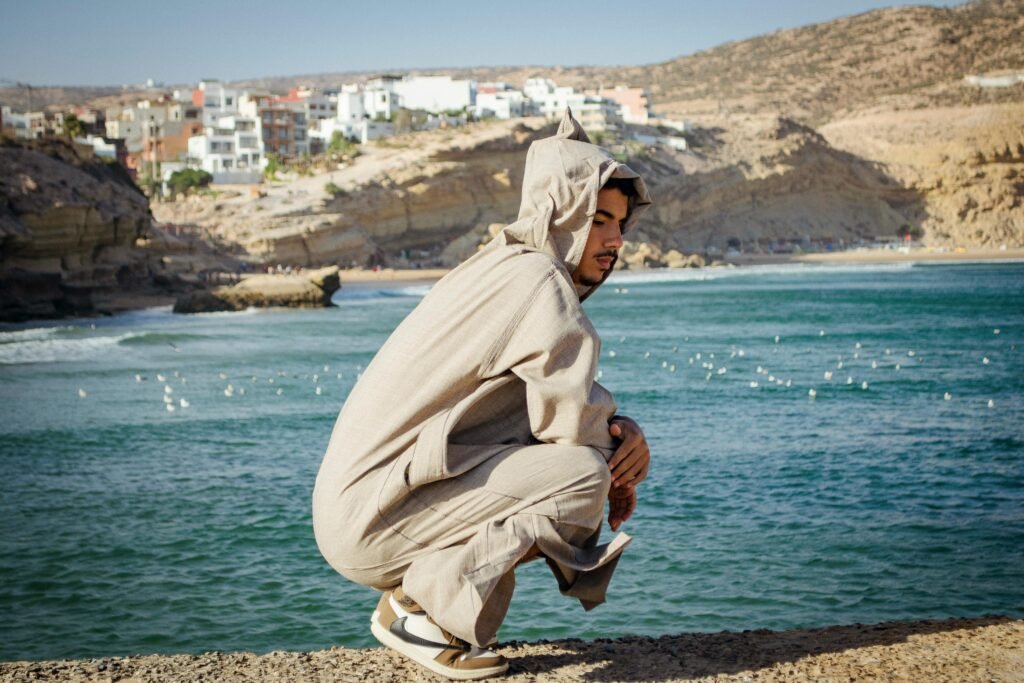
After breakfast at your riad, depart from Essaouira and continue south along Morocco’s stunning Atlantic coastline toward Imsouane, a peaceful fishing village renowned for its laid-back atmosphere and world-famous surf.
The drive follows part of Morocco’s scenic Atlantic Coast, offering beautiful ocean panoramas and opportunities to pass through charming coastal villages along the way.
Transport options:
1. Private Taxi / Transfer
- Duration: Approximately 1.5–2 hours
- Cost: Around $40–60 USD per vehicle
- Details: A comfortable and convenient door-to-door option ideal for travelers with luggage or small groups.
2. Bus
- Duration: Approximately 2 hours
- Cost: Around $8 USD per person
- Details: An affordable option with tickets available through markoub.ma.
3. Car Rental
- Duration: Approximately 1.5 hours
- Cost: Around $25–50 USD per day
- Details: Perfect for travelers who prefer flexibility and scenic stops along the coast.
Arrive in Imsouane by late morning and check into your guesthouse before beginning your exploration of the village.
Afternoon
Spend the afternoon discovering the peaceful beauty of Imsouane Bay, home to one of the longest rideable waves in Africa. Even for non-surfers, the bay is an ideal place to relax, swim, or simply watch surfers glide effortlessly across the long rolling waves.
Take a walk along the small harbor, where traditional blue fishing boats line the shore and local fishermen unload their daily catch. The slow-paced atmosphere makes Imsouane a perfect destination to unwind and enjoy Morocco’s coastal scenery.
For lunch, stop at Anzar Restaurant or Cafe Restaurant Paradis Wave, both offering relaxed seaside dining and beautiful views overlooking the bay.
Evening
As the sun begins to set, head toward the cliffs near Imsouane Bay to enjoy spectacular sunset views over the Atlantic Ocean, where golden light reflects across the water and fishing boats.
For dinner, visit Petit Surfer Restaurant, a cozy seaside restaurant known for its relaxed surf-village atmosphere and fresh local cuisine.
End the evening with a peaceful stroll through the quiet village streets before returning to your guesthouse for a restful night by the ocean.
Where to Stay in Imsouane
Hotel / Neighborhood Tip: Imsouane Bay Area is the lively heart of the village, popular with surfers and social travelers, offering beachfront cafés, surf hostels, and direct access to the famous long right-hand wave. On the quieter side, the Cathedral Point Area is known for its dramatic coastal cliffs, peaceful guesthouses, and stunning sunset views over the Atlantic. For those seeking even more tranquility, the hillside retreats and eco-lodges above the village provide panoramic ocean scenery, privacy, and a relaxed atmosphere away from the main surf scene. Each area offers a distinct experience, whether you’re drawn to surf culture, rugged coastal beauty, or a calm restorative escape.
Hotel suggestion:
- Mid-Range: Imsouane WOODHOUSE — A stylish coastal stay featuring a swimming pool, spa, and on-site restaurant, all located just steps from the beach. A perfect blend of comfort, convenience, and relaxed seaside charm.
Day 4 – Full day in Imsouane
Morning
Begin your day slowly in Imsouane, embracing the peaceful atmosphere that makes this small coastal village so unique. After waking up at your guesthouse, head to Café Restaurant La Paix for a relaxed breakfast overlooking the Atlantic Ocean. The soothing sound of the waves and the tranquil setting create the perfect start to the morning.
After breakfast, take a gentle walk along the shoreline of Imsouane Bay. Early mornings are especially calm, with surfers heading into the water to ride the bay’s famous long, smooth waves. The harbor also comes alive as local fishermen prepare their traditional blue wooden boats for the day, offering a glimpse into the authentic rhythm of village life.
Spend the rest of the morning enjoying the beach at your own pace. Some travelers choose to join a beginner surf lesson in the calm waters of the bay, while others simply relax by the shore, watch surfers glide across the waves, or enjoy mint tea at a seaside café while admiring the ocean views.
If you would like to learn how to surf, Surf Camp Imsouane and Mystery Surf Camp is well known for the welcoming atmosphere and excellent surf coaching.
Afternoon
Around midday, head toward the harbor for lunch at Les 3S Restaurant, a popular spot known for its fresh poke bowls, burgers, and relaxed coastal atmosphere.
After lunch, spend some time exploring the picturesque harbor area, where colorful fishing boats line the shore and fishermen unload their daily catch. It’s one of the most photogenic parts of the village and a wonderful place to sit quietly and enjoy the scenery.
Later in the afternoon, return to the beach for a slower pace. The wide bay is perfect for swimming, sunbathing, reading, or simply listening to the sound of the Atlantic waves.
Evening
As late afternoon approaches, make your way toward the cliffs near La Cathédrale Point. From this scenic viewpoint, you can watch surfers catching the final waves of the day while fishing boats slowly return to the harbor.
Sunset in Imsouane is especially memorable, with warm golden light reflecting across the Atlantic Ocean and illuminating the peaceful village below.
Return to the village afterward and enjoy a relaxed dinner before spending another quiet evening by the coast.
Day 5 – Imsouane → Taghazout
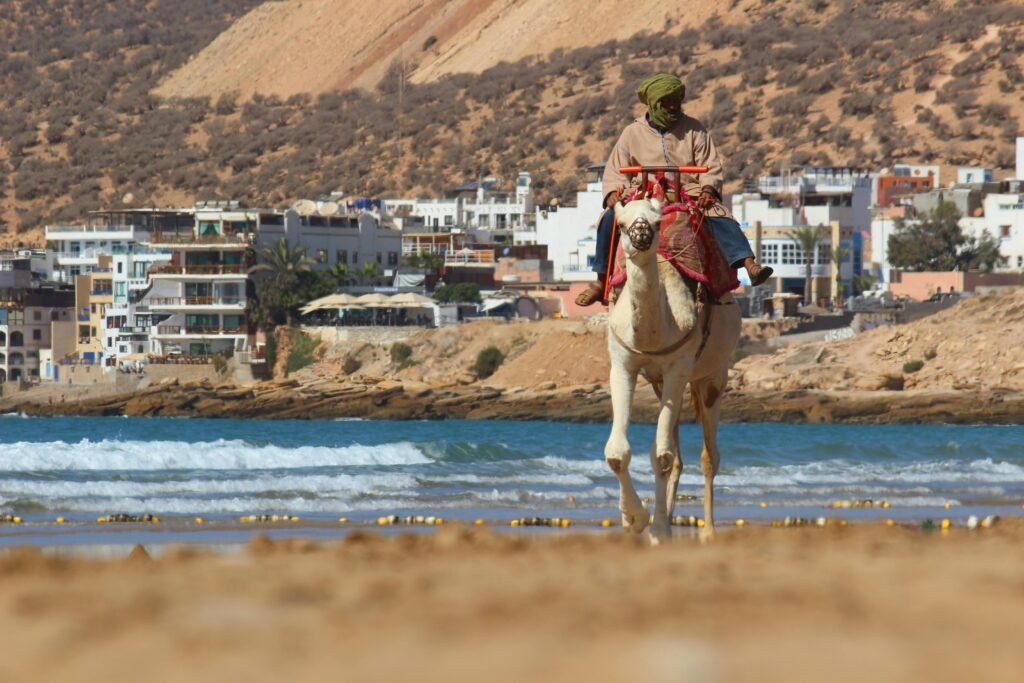
Morning
Start your day with a relaxed breakfast at your guesthouse in Imsouane. Enjoy the peaceful atmosphere of the bay, watch the early surfers heading into the waves, or take one final stroll along the quiet harbor before continuing your journey south.
Depart mid-morning for Taghazout. The scenic coastal drive takes approximately 1–1.5 hours and offers stunning Atlantic Ocean views along the way. Consider stopping at small beaches or roadside cafés for photos or a short break. If you are driving, the coastal route makes for a relaxed and beautiful journey.
Transport options:
1. Private Taxi / Transfer
- Duration: Approximately 1–1.5 hours
- Cost: Around $40–60 USD per vehicle
- Details: Comfortable and flexible, with optional scenic stops along the coast.
2. Car Rental
- Duration: Approximately 1–1.5 hours
- Cost: Around $25–50 USD per day
- Details: Ideal for travelers who want the freedom to explore beaches and coastal cafés at their own pace.
3. Bus / Shared Transport
- Duration: Approximately 1.5–2 hours
- Cost: Around $5–8 USD per person
- Details: A budget-friendly option, though with less flexibility for stops along the route.
4. Private Driver / Ride-Hailing
- Duration: Approximately 1–1.5 hours
- Cost: Around $50–80 USD
- Details: Combines comfortable transportation with the possibility of scenic coastal stops.
Afternoon
Arrive in Taghazout by late morning or early afternoon and check into your guesthouse or riad.
For lunch, stop at Cafe Tayought, a popular café known for its relaxed surf-town atmosphere and fresh meals including tagines, grilled fish, sandwiches, and healthy dishes.
Spend the afternoon exploring Taghazout village and its beautiful beaches. Even if you do not surf, the coastline is perfect for relaxing on the sand, walking along the shore, or watching surfers ride famous breaks such as Panorama Beach and Anchor Point.
If you’re interested in trying surfing, beginner lessons can be arranged with Taghazout Surfers – Surf School, one of the area’s well-known surf schools.
Evening
In the evening, head toward Panorama Point or the main beach to enjoy spectacular sunset views over the Atlantic Ocean. The cliffs and coastline create a dramatic backdrop as the sun sets over the bay.
For dinner, visit Restaurant Taghazout Chez Titrite, known for its relaxed atmosphere and tasty kebabs and burgers.
End the evening with a peaceful walk through the village streets or along the beach while soaking in Taghazout’s laid-back surf culture and coastal charm.
Where to Stay in Taghazout
Hotel / Neighborhood Tip: Taghazout Village Center is the lively heart of the town, known for its cafés, surf shops, restaurants, and easy access to nearby surf breaks, making it ideal for travelers seeking a social and energetic atmosphere. Meanwhile, Tamraght and the outskirts of Agadir offer a quieter setting with peaceful guesthouses, boutique hotels, and access to less crowded beaches. For those looking to fully unwind, the hillside eco-lodges and retreats around the region provide panoramic Atlantic views, tranquility, and a more nature-focused escape. Each area offers its own unique charm, whether you prefer vibrant surf culture, serene coastal scenery, or a luxurious oceanfront retreat.
Hotel options across budgets:
- Budget-Friendly: Eco Bay Surf House and Agachill Surf House are relaxed, budget-friendly surf accommodations popular with backpackers and travelers looking for a social and welcoming atmosphere, offering cozy stays and easy access to the surf scene in Taghazout.
- Mid-Range: Hyatt Place Taghazout Bay is a modern coastal resort featuring stunning ocean views, a large swimming pool, private beach access, and excellent amenities for a comfortable stay.
- Luxury: Pickalbatros White Beach Taghazout is a luxury beachfront resort offering elegant rooms, upscale amenities, and direct beach access, while Fairmont Taghazout Bay is one of the region’s premier luxury resorts, known for its refined design, exceptional service, spa facilities, and breathtaking Atlantic Ocean views.
Recommended Tours & Experiences
- “Escape to Paradise Valley: A Day in Nature“: A Day in Nature: Journey from Taghazout or Agadir into the breathtaking Paradise Valley. Travel through mountain roads, traditional villages, dramatic cliffs, and lush palm groves before enjoying a scenic hike and peaceful time surrounded by nature.
- A Night of Magic at Chems Ayour: Experience an unforgettable Moroccan evening at Chems Ayour near Temsia. Enjoy traditional Moroccan cuisine accompanied by Berber music, acrobatics, fire shows, and live performances beneath the stars.
- Desert Quad Adventure in Agadir: Discover the landscapes surrounding Agadir on an exciting quad biking adventure through deserts, rolling hills, Berber villages, and sand dunes, with stops for tea and scenic viewpoints along the way.
Day 6 – Taghazout (or Agadir optional)
Option 1: Full day in Taghazout
Morning
Begin your day with a healthy breakfast at your guesthouse or a cozy local café. After settling in from yesterday’s journey, spend the morning enjoying an active yet peaceful experience. You can choose between a second surf session with Taghazout Surfers – Surf School to build on the skills you learned yesterday, or a refreshing morning yoga class at a seaside studio overlooking the Atlantic. Both options offer the perfect balance of movement and relaxation while embracing Taghazout’s calm coastal atmosphere.
Afternoon
Following your morning activity, head to nearby beaches such as Imourane Beach. These quieter stretches of coastline are ideal for swimming, sunbathing, and unwinding by the sea.
Enjoy lunch at Resto Imouran, where you can savor fresh salads, grilled fish, or flavorful meat skewers. After lunch, wander through the village streets and browse the local artisan shops. Along the way, you may come across handmade jewelry, surf accessories, and traditional Moroccan crafts.
Evening
End the day with a beautiful sunset at Panorama Point, known for its sweeping views over Taghazout Bay and the rugged coastline. Afterwards, enjoy a leisurely walk along the beach or through the village, taking in the laid-back atmosphere that gives Taghazout its unique charm.
Option 2: Day trip to Agadir
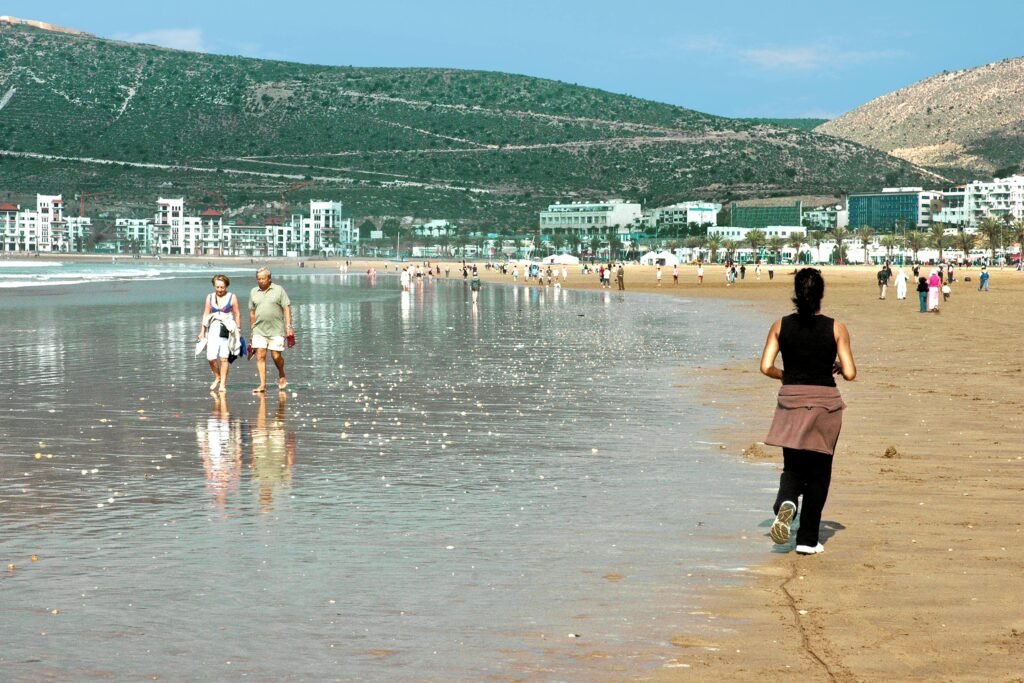
Morning
After breakfast in Taghazout, depart mid-morning for Agadir. The journey takes around 30–40 minutes along the Atlantic coastline, with scenic ocean views and opportunities to stop at small coastal viewpoints along the way.
Transport:
- Shared Grand Taxi: approximately 30 minutes, around USD 2.5–3.5 per person, departing once full.
Upon arrival, visit Agadir Oufla, the historic hilltop Kasbah overlooking the city. From here, enjoy sweeping panoramic views of Agadir, its crescent-shaped bay, and the Atlantic Ocean — an ideal spot for photos. Take some time to wander through the remaining ruins and terraces while soaking in the atmosphere and history of the site.
Continue with a relaxing stroll along Agadir Beach Promenade, a lively seaside walkway bordered by cafés, palm trees, and golden sands. Watch surfers riding the waves, stop for a coffee, or simply enjoy the refreshing ocean breeze.
Afternoon
For lunch, dine at Beldi Fusion Kitchen or Restaurant la Pastilla, both known for serving delicious Moroccan cuisine in welcoming settings.
After lunch, immerse yourself in the vibrant atmosphere of Souk El Had, one of Morocco’s largest traditional markets. Browse the colorful stalls filled with spices, handmade crafts, textiles, leather goods, and argan oil products. The bustling souk offers an authentic glimpse into local daily life and culture.
Evening
Depart Agadir and return to Taghazout via the scenic coastal road. If time allows, pause at a quiet beach or viewpoint to admire the changing colors of the sunset over the Atlantic.
Back in Taghazout, return to your hotel and unwind for the evening, reflecting on the memorable experiences and vibrant atmosphere of Agadir.
Day 7 – Departure Day from Marrakech
Morning
Enjoy a relaxed final morning in Taghazout, taking time to pack your belongings and savor the last moments of your Moroccan getaway. Afterwards, begin your journey toward Marrakech Menara Airport for your departure flight.
Transport options:
1. Taghazout → Marrakech
- Bus (via Agadir):
Travel first to Agadir by taxi or local bus, then continue to Marrakech with companies such as CTM or Supratours.
Approximate travel time: 4–5 hours total.
Estimated cost: USD 18–28 per person. - Shared or Private Grand Taxi:
Travel via Agadir before continuing onward to Marrakech by shared or private grand taxi.
Approximate travel time: 3.5–4 hours.
Estimated cost: USD 30–80 depending on whether the taxi is shared or private.
2. Marrakech → Marrakech Menara Airport
- Grand Taxi: Around USD 10–15 one way, with a travel time of approximately 15–20 minutes from central areas such as the Medina, Jemaa el-Fna, or Gueliz. Prices may vary slightly depending on the time of day.
- Bus No. 19 (ALSA Shuttle): Approximately USD 3 one way, with a journey time of around 30–40 minutes from central Marrakech. Buses typically operate every 20–30 minutes throughout the day.
- Private Transfer: Around USD 15–25 one way, offering direct door-to-door service in approximately 15–20 minutes. This option is especially convenient for travelers with luggage or late departures.
For a smooth and hassle-free transfer, consider booking with Welcome Pickups, which offers fixed pricing, meet-and-greet service, flight monitoring, and professional drivers.
Option 3: Imperial Cities
Day 1 – Arrival in Marrakech
Morning
Welcome to Marrakech, Morocco’s famous “Red City,” known for its rich history, vibrant souks, and iconic landmarks. After landing at Marrakech Menara Airport, head into the city using one of the following options.
Transport options:
- Grand Taxi: Around USD 10–15 one way, with a travel time of 15–20 minutes to central areas such as the Medina, Jemaa el-Fna, or Gueliz. Prices may vary depending on time of day, with slightly higher fares at night.
- Bus No. 19 (ALSA Shuttle): Around USD 3 one way, taking 30–40 minutes to reach central Marrakech. Buses run every 20–30 minutes from early morning until evening, though stops and luggage can extend travel time.
- Private Transfer: Around USD 15–25 one way, offering a direct 15–20 minute journey with fixed pricing and door-to-door convenience.
- Recommended Stress-Free Option: Book a private transfer with Welcome Pickups for fixed pricing, meet-and-greet service, flight tracking, and a smooth arrival experience.
Afternoon
After your flight, take time to relax at your hotel or riad. If you feel like exploring, head to the stunning Jardin Majorelle. Created in the 1920s by French painter Jacques Majorelle and later restored by Yves Saint Laurent and Pierre Bergé, the garden is famous for its bold blue architecture, exotic plants, and peaceful pathways.
For lunch nearby, stop at Restaurant Bohème , a relaxed spot serving traditional Moroccan dishes such as tagines, couscous, pastilla, fresh salads, juices, and mint tea.
Evening
Spend your evening in Jemaa el-Fna, the city’s legendary main square and one of its most vibrant attractions. As night falls, the square fills with storytellers, musicians, street performers, and bustling food stalls. Try local favorites like grilled brochettes, harira soup, snail soup, fresh orange juice, and Moroccan pastries. For a full meal, head to one of the rooftop cafés overlooking the square and enjoy dishes like tagine, couscous, or zaalouk.
Afterward, return to your accommodation to rest after your first day in Marrakech.
Where to Stay in Marrakech
Hotel/Neighborhood Tip: Choosing the right neighborhood can shape your experience in Marrakech. The Medina of Marrakech offers the most authentic atmosphere with traditional riads, winding alleyways, and bustling souks. Gueliz provides a more modern city vibe with cafés, galleries, and shopping streets, while Hivernage is known for its upscale hotels, refined restaurants, and calmer surroundings close to major attractions.
Hotel options across budgets:
- Budget-Friendly: Riad Dar Saba Shika and Hostel Amour d’Auberge both provide affordable accommodation with distinct experiences. Riad Dar Saba Shika offers a peaceful and authentic stay inside the Medina, featuring cozy rooms and a tranquil atmosphere ideal for couples or solo travelers seeking relaxation. In contrast, Hostel Amour d’Auberge caters to backpackers and social travelers with its lively environment, shared spaces, and convenient location near Marrakech’s main attractions.
- Mid-Range: Riad Al Badia and The Little Hara are excellent mid-range options that balance comfort and charm. Riad Al Badia stands out for its elegant Moroccan décor, peaceful courtyard, and refreshing pool, creating a relaxing retreat within the Medina. Meanwhile, The Little Hara blends contemporary comfort with traditional style, offering bright rooms, attentive service, and easy access to the city’s lively center.
- Luxury: La Mamounia and Les Jardins de La Koutoubia are among Marrakech’s top luxury stays. La Mamounia is an iconic five-star palace celebrated for its lavish Moroccan design, world-class spa, fine dining, expansive gardens, and exceptional service. Les Jardins de La Koutoubia, located near the Koutoubia Mosque, combines elegance and convenience with refined rooms, rooftop views, excellent restaurants, and a luxurious spa experience in the heart of the city.
Recommended Tours & Experiences
- “Agafay Desert Adventure: Quad, Camel & Sunset”: Experience the dramatic landscapes of the Agafay Desert with an exciting quad biking adventure, a relaxing sunset camel ride, and a traditional Berber dinner under the stars.
- Sunrise Hot Air Balloon Over the Atlas Mountains: Enjoy a breathtaking sunrise flight above the Atlas Mountains, taking in panoramic views of valleys and Berber villages before savoring a traditional Moroccan breakfast.
- Marrakech Medina & Monuments Tour: Discover the rich history of Marrakech while exploring the lively Medina and iconic landmarks such as Koutoubia Mosque, Bahia Palace, and Saadian Tombs.
- Ourika Valley & Atlas Mountains Day Trip: Escape the city to explore the scenic Ourika Valley, visit a women-run argan oil cooperative, and hike to the beautiful Setti Fatma Waterfalls.
- Marrakech Medina & Hidden Gems Tour: Stroll through bustling souks, hidden courtyards, and secret gardens while learning about Moroccan culture, craftsmanship, and local traditions from an experienced guide.
Day 2 – Full Day in Marrakech
Morning
Start your day at Bahia Palace, a 19th-century architectural gem known for its intricate zellij tilework, carved cedar ceilings, and serene gardens. Take your time exploring its elegant rooms and peaceful courtyards, which showcase some of the finest examples of traditional Moroccan design.
Continue to El Badi Palace, the impressive ruins of a once-grand 16th-century complex built by Sultan Ahmad al-Mansur. Walk through its vast courtyards and remaining decorative structures while imagining the former scale and grandeur of this historic site.
End your morning at the Saadian Tombs, a beautifully preserved royal burial site rediscovered in the early 20th century. Admire the detailed mosaics and peaceful atmosphere as you learn about the Saadian dynasty’s legacy.
Transport:
- Walking or short petit taxi rides between sites (around 5–10 minutes)
Afternoon
Head to the exterior of the Koutoubia Mosque, one of Marrakech’s most iconic landmarks. Its 77-meter minaret, dating back to the 12th century, is a striking example of Almohad architecture. While entry is restricted to non-Muslims, the surrounding gardens offer a peaceful place for photos and a relaxed stroll.
Next, immerse yourself in the vibrant energy of the medina’s souks, including Souk Semmarine, Souk Ableuh, and the spice markets. These narrow, bustling alleys are filled with colorful textiles, spices, ceramics, jewelry, and handcrafted goods. Take time to browse, bargain for souvenirs, and observe local artisans at work.For lunch, stop at Tanjia Secrets, a popular local restaurant known for its traditional tanjia, slow-cooked Moroccan specialty served with fresh bread and sides—perfect for an authentic medina dining experience.
Transport:
- Walking throughout the medina; petit taxis available for longer distances (5–10 minutes)
Evening
End your day with a relaxing traditional hammam experience. You can choose between Hammam Nilo for an authentic and more budget-friendly Moroccan bath, or Les Bains de Marrakech for a luxurious spa experience with elegant surroundings and full-service treatments.
Alternatively, enjoy dinner on a rooftop terrace overlooking Jemaa el-Fna, where the square comes alive at night with performers, food stalls, and glowing lights—offering one of the most atmospheric dining views in the city.
Day 3 – Marrakech → Fes
Morning / Afternoon
Today you’ll travel from Marrakech to Fes, crossing a large stretch of the country and watching Morocco’s landscapes gradually shift along the way—from arid plains and desert tones to green hills and farmland. It’s a long but scenic journey, so you please depart in the morning.
Transport options:
1. Train (Recommended):
Travel with ONCF on a comfortable intercity train from Marrakech to Fes.
- ⏱️ Around 7 hours
- 💰 Approximately $30 USD
- 🚆 Modern, air-conditioned trains make this the most comfortable and relaxing option for the long journey.
2. Bus:
Take a long-distance service with CTM, one of Morocco’s most reliable bus companies.
- ⏱️ Around 9.5 hours
- 💰 Approximately $25 USD
- 🚌 A budget-friendly option with decent comfort and scheduled departures.
Both options are safe and commonly used by travelers, but the train is generally the faster and more comfortable choice for this route.
Evening
Welcome to Fes ! Check in your riad and take some rest. Afterwards, discover the area surrounding University of Al Quaraouiyine, widely considered the world’s oldest continuously operating university. While non-Muslims cannot enter the mosque itself, the exterior, ornate doorways, and surrounding streets are rich in atmosphere and history.
From there, wander into the artisan quarters and reach Nejjarine Square, home to a beautifully decorated fountain and the Nejjarine Museum of Wooden Arts & Crafts, a restored caravanserai showcasing traditional Moroccan craftsmanship. For dinner, head to Café Clock, a popular spot offering a mix of traditional Moroccan and creative international dishes in a relaxed, social atmosphere. Afterward, take a slow walk through the medina as lanterns light up the narrow alleys, creating a completely different and atmospheric evening experience.
Where to Stay in Fes
Hotel/Neighborhood Tip: For convenience and authenticity, staying in or near Fes El Bali (the Old Medina) is ideal. You’ll be within walking distance of major attractions like the tanneries, souks, and historic monuments, with easy access to guided tours and taxis.
Hotel options across budgets:
- Budget-Friendly: Riad Braya offers a charming and affordable stay with authentic Moroccan décor and a warm atmosphere in the heart of the medina, while Riad Hidaya provides a comfortable budget-friendly experience known for its traditional hospitality and excellent value.
- Mid-Range: Riad Semlalia combines classic Moroccan style with modern comfort, creating a peaceful retreat after exploring the medina, while Riad Jardin des Biehn is admired for its elegant gardens, refined décor, and tranquil pool area in a serene setting.
- Luxury: Palais Amani delivers a refined luxury experience with sophisticated Moroccan design, exceptional dining, and attentive service, while Riad Fes is renowned for its timeless elegance, romantic atmosphere, and world-class hospitality in the heart of the medina.
Recommended Tours & Experiences
- From Fes to the Middle Atlas: Berber Culture & Nature Escape: Explore the scenic Middle Atlas Mountains while visiting Berber families in traditional cave homes, discovering the alpine-style town of Ifrane, and wandering through the cedar forests near Azrou, home to endangered Barbary macaques.
- “Fes Day Trip: Volubilis, Moulay Idriss & Meknes Highlights”: Step into Morocco’s rich history with a visit to Volubilis, continue to Moulay Idriss Zerhoun for panoramic views and spiritual heritage, then explore the imperial city of Meknes and its grand monuments.
- “Fes Medina Walking Tour: Secrets & Souks”: Wander through the lively medina with a local guide, exploring bustling souks, artisan workshops, and historic landmarks such as Bou Inania Madrasa and Nejjarine Museum of Wooden Arts & Crafts for an authentic glimpse into the city’s culture and traditions.
- Fes Hammam & Moroccan Spa Ritual: Unwind with a traditional Moroccan hammam experience featuring steam baths, exfoliation treatments, and a relaxing massage, perfect for recharging after exploring the medina.
- “Fes Culinary Experience: Market to Medina Table”: Discover Moroccan cuisine through a hands-on cooking class that begins with a guided market visit, where you’ll learn about local spices, traditional techniques, and enjoy the meal you prepare in a welcoming setting.
- Fes Pottery Painting Experience: Create your own colorful Moroccan pottery piece alongside skilled local artisans in a fun and creative workshop ideal for families, beginners, and travelers looking for a unique handmade souvenir from Fes.
Day 4 – Full Day in Fes
Morning
Begin your day with a traditional Fassi breakfast at El Forno, a local favorite known for its authentic morning dishes. If you’re in the mood for something more rustic and deeply local, head to Café Brésilienne (Broceliande), where you can enjoy a warm bowl of bissara — a creamy fava bean soup flavored with olive oil and cumin, typically served with fresh bread. Simple, hearty, and widely loved by locals, it’s a true Fes morning staple.
After breakfast, continue into the medina to visit the famous Chouara Tannery. From the balconies of the surrounding leather shops, you’ll get a striking view over the ancient stone dyeing vats — one of the most iconic and traditional scenes in the city.
This area is also one of the best places to shop for leather craftsmanship. Fes is renowned for its handmade goods, including jackets, bags, slippers, and belts. Take your time exploring different shops, compare quality, and don’t hesitate to negotiate politely to get the best value.
Afternoon
Discover the Bou Inania Madrasa, widely admired for its extraordinary zellige tilework, finely carved plaster, and detailed cedarwood craftsmanship. Just a short walk away, the Al-Attarine Madrasa offers a more intimate experience, yet is equally impressive, with beautifully preserved architectural details that reflect the refinement of Marinid design at its peak. For lunch, head to Darori Resto, a charming, cozy restaurant tucked inside the medina and known for its authentic Moroccan cuisine. It’s a great place to pause and enjoy a slow meal in a traditional setting.
Be sure to try their classic chicken tagine with preserved lemons and olives, along with a serving of pastilla — one of Fes’s signature dishes — offering a perfect balance of sweet and savory flavors that capture the essence of the city’s culinary heritage.
Evening
End your day at either Borj Nord or Borj Sud, both offering sweeping panoramic views over the medina. As sunset approaches, the city gradually shifts into warm golden hues, creating one of the most atmospheric viewpoints in Fes.
For dinner, make your way to The Ruined Garden, a beautiful open-air setting where you can unwind with slow-cooked lamb shoulder, followed by their indulgent date cake topped with caramel sauce.
If you’re in the mood for something more casual, Le Tarbouche is a local favorite inside the medina, known for comforting kefta tagine, traditional harira soup, and a refreshing avocado smoothie to finish the day.
Day 5 – Day Trip from Fes to Moulay Idriss Zerhoun +Volubilis+ Meknes
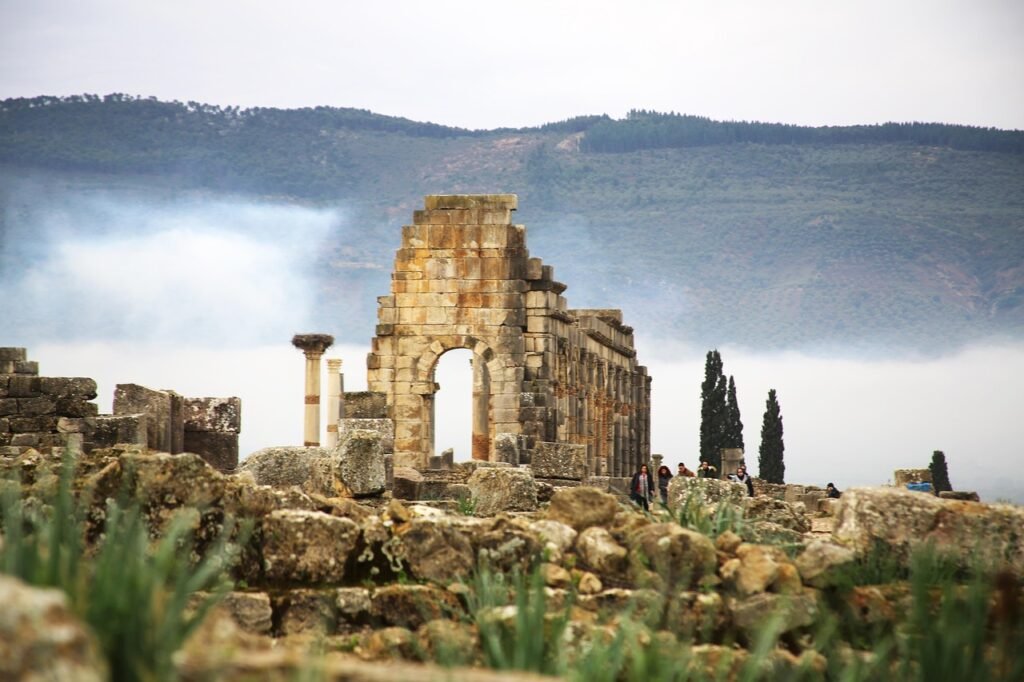
Option 1: Guided Tour
If you prefer to avoid the hassle of renting a car or hiring a private driver, this guided tour is a great option. It’s a full-day excursion from Fes covering Volubilis, Moulay Idriss, and Meknes. You’ll explore the 2,000-year-old Roman ruins of Volubilis, enjoy sweeping views from the hilltop town of Moulay Idriss Zerhoun, and wander through the historic streets and monuments of Meknes. The tour offers a well-paced cultural journey filled with history, impressive architecture, and plenty of photo opportunities—all starting and ending in Fes.
Option 2: Self-Drive Itinerary (Renting a Car)
Morning
Start early from Fes and drive about an hour to Moulay Idriss Zerhoun, a picturesque hilltop town nestled in the Zerhoun Mountains. Known as one of Morocco’s holiest places, it features narrow winding alleys, whitewashed houses, and a peaceful, timeless atmosphere.
Visit the mausoleum of Moulay Idriss I, founder of the Idrisid dynasty. While non-Muslims cannot enter the shrine itself, the surrounding streets and viewpoints offer beautiful scenery and sweeping valley views. The town is also a great place to browse small local shops selling pottery, crafts, and souvenirs.
From there, continue a short drive to Volubilis, the remarkable Roman archaeological site and UNESCO World Heritage Site. Once the administrative center of Roman Mauretania Tingitana, it remains impressively preserved. Walk among ancient streets, arches, marble columns, and intricate mosaics. Highlights include the House of Orpheus with its detailed floor mosaics and the grand Capitol ruins. Set against rolling olive groves, the site is especially photogenic.
Transport Tip: Renting a car in Fes is highly recommended for this route. It allows flexibility, easy scenic stops, and control over your schedule. Roads are generally in good condition, and navigation using GPS or Google Maps is straightforward.
Afternoon
After exploring Volubilis, continue on to Meknes, one of Morocco’s imperial cities and a UNESCO World Heritage Site. Begin with lunch near the medina at Restaurant Aisha, known for authentic Moroccan dishes. The slow-cooked lamb tagine with prunes is a standout, while the chicken pastilla delivers the city’s signature sweet-and-savory flavor.
After lunch, head to Bab Mansour, one of Morocco’s most iconic gates, decorated with intricate zellige tilework and marble details. Just across is Place El Hedim, a lively square where locals gather, street vendors sell snacks, and daily life unfolds against the backdrop of the medina entrance.
For a more relaxed experience, consider a horse-drawn carriage ride through the old city. It passes by the historic walls, monumental gates, and key sites from the reign of Sultan Moulay Ismail, offering a charming overview of Meknes’s imperial heritage.
If open, visit Heri es-Souani, the vast 17th-century royal granaries built to store food for the sultan’s army and stables. The scale of the stone structures reflects the power and ambition of the era.
Before leaving, take time to explore the medina souks, where you’ll find spices, textiles, pottery, and handmade crafts—a perfect way to wrap up your visit.
Evening
Head back to Fes in the early evening and relax at your riad or hotel after a full day of sightseeing. For dinner, you can enjoy the atmospheric dining scene in the medina.
For a refined experience, Dar Roumana offers elegant Moroccan cuisine in a beautifully restored riad, with standout slow-cooked meat dishes and seasonal plates.
If you prefer something more relaxed, Fez Café at Jardin des Biehn provides a calm garden setting with Moroccan and Mediterranean dishes—an ideal spot to unwind after a long day.
Alternatively, if you’d like a slower pace overall, you can choose to stay overnight in Meknes instead of returning to Fes.
Day 6 – Fes → Rabat
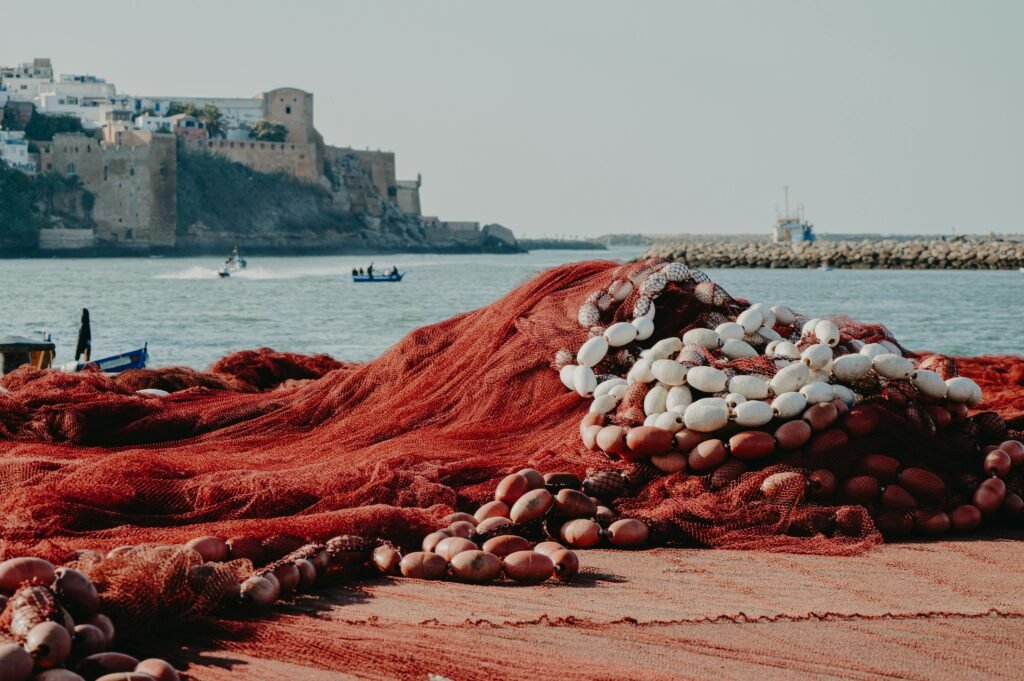
Morning
Leave Fes early in the morning for Rabat, the capital of Morocco.
Transport options:
- By train (recommended): Take the ONCF train from Fes to Rabat. The journey takes around 3½–4 hours. Trains run frequently, are comfortable, and are generally the most reliable option (approx. $12 USD).
- By bus: Take a CTM bus from Fes’s main bus station to Rabat. The trip also takes about 3½–4 hours and is usually more budget-friendly (around $10 USD).
Afternoon
Arrive in Rabat, Morocco’s elegant capital, and begin with lunch in the Medina, where traditional eateries serve classic Moroccan dishes such as tagines, couscous (especially on Fridays), grilled meats, and fresh salads in a lively, authentic atmosphere.
After lunch, head to the charming Kasbah of the Udayas, a historic fortress overlooking the Atlantic Ocean and the Bouregreg River. Stroll through its peaceful blue-and-white streets, enjoy the coastal breeze, and take in the panoramic viewpoints over the water and neighboring Salé.
Continue on to the nearby Andalusian Gardens, a serene landscaped garden filled with citrus trees, fountains, and shaded walkways. It’s a calm, restorative space that offers a quiet contrast to the energy of the medina—ideal for a relaxed afternoon walk before continuing your visit.
Evening
Head back to Rabat’s Medina for an early evening stroll, browsing local artisan shops and small stalls as the city winds down for the day. From there, continue toward Avenue Mohammed V, the city’s main boulevard lined with palm trees, cafés, and elegant colonial-era architecture. Along the way, you’ll pass the Moroccan Parliament building, a striking landmark with its red façade and lively surrounding square.
For dinner, choose one of the nearby restaurants and enjoy a relaxed evening atmosphere before returning to your accommodation.
Where to Stay in Rabat
Hotel/Neighborhood Tip: For convenience and easy access to the city’s main sights, consider staying in neighborhoods like Hassan, the Medina (or near the Kasbah), Agdal, or L’Océan. These areas are well connected by taxis and tram lines and make it easy to reach attractions such as the Kasbah, Hassan Tower, and the Bouregreg waterfront.
Hotel options across budgets:
- Budget-Friendly: Riad Dar Rabiaa and Riad Louane offer charming stays inside the Medina, with traditional Moroccan décor, warm hospitality, and good value.
- Mid-Range: Story Le Carrousel Hotel offers pleasant sea views and a relaxed atmosphere, while Rabat Marriott Hotel provides modern comfort, strong amenities, and a central location close to shops and attractions.
- Luxury: For a high-end stay, Fairmont Hotel La Marina Rabat-Salé offers stunning views over the Kasbah of the Udayas and the Bouregreg River. Alternatively, Four Seasons Hotel Rabat at Kasr Al Bahr delivers refined luxury in a restored historic setting near the coast.
Recommended Tours & Experiences
- Moroccan Cooking Class with a Local Family: Learn to prepare traditional Moroccan dishes in a home setting and enjoy a hands-on cultural and culinary experience.
- Culinary Walking Tour: Explore Rabat’s markets and street food scene while tasting local specialties and learning about the city’s food culture.
- Nocturnal Visit with Traditional Moroccan Dinner: Discover Rabat’s illuminated landmarks on a nocturnal tour, followed by a traditional Moroccan dinner at a local restaurant.
- Private Walking Tour of Rabat: Explore historic sites, hidden corners, and local neighborhoods with a knowledgeable guide for a more personalized experience.
Day 7 – Rabat → Casablanca + Departure
Morning
Start your day with breakfast at Café La Comédie, a popular local café known for its relaxed atmosphere and simple, classic breakfast options. It’s a great place to ease into the morning before beginning your sightseeing.
Option 1: Rabat
After breakfast, head to Hassan Tower, one of the city’s most iconic landmarks. Explore the vast esplanade and admire the striking unfinished minaret, a powerful symbol of Rabat’s history. Right next door, visit the Mausoleum of Mohammed V, where you can appreciate its exquisite white marble, green-tiled roof, and beautifully detailed craftsmanship, along with the ceremonial guards that add to the site’s solemn atmosphere.
Continue on to Chellah, a captivating archaeological site that blends Roman ruins with a medieval Islamic necropolis. Wander through ancient stone walls, gardens filled with storks, and atmospheric ruins that create a peaceful, slightly mysterious setting.
Inside the site, take a short break at Ciconia Café, a quiet spot known for its scenic views and relaxing ambiance—an ideal place to pause.
Option 2: Sale
Cross the Bou Regreg River into Salé, Rabat’s twin city with a long and independent history. Once an important Atlantic port in the medieval era, Salé later became famous in the 17th century as a base for corsairs during the time of the so-called Republic of Salé.
Transport options:
- On foot: Cross the bridge directly connecting Rabat and Salé.
- By tram: Take the Rabat tram network and get off at Bab Lamrissa station (around $1 USD).
- By boat: Cross the Bou Regreg near Le Dhow Restaurant Lounge Club for a short scenic ride (about $0.50 USD per person).
Start your visit at the Great Mosque of Salé, founded in the 12th century under the Almohad dynasty. It is one of the largest and oldest mosques in Morocco. While non-Muslims cannot enter, the exterior architecture and surrounding streets are well worth exploring.
From there, wander into the old medina of Salé, which feels noticeably more traditional and less touristy than Rabat’s. Explore narrow alleys filled with local souks, artisan workshops, and residential quarters that offer a glimpse into everyday Moroccan life.
Continue to the Medersa of Salé, built in 1341 by the Marinid Sultan Abu al-Hasan. This beautifully preserved Quranic school is known for its detailed zellige tilework, carved cedar wood, and intricate stucco decoration—an excellent example of Marinid craftsmanship.
If you’re up for a bit more exploration, head to Borj Adoumoue, a 17th-century fortress dating back to the era of the Salé corsairs. From its ramparts, you’ll get wide views over the Bou Regreg estuary and back toward Rabat. It’s best visited during daylight hours, and entry is typically around $3.
Relax at Souk Lghzel, one of the oldest areas of Salé’s medina. Historically a wool market—its name literally means “Wool Souk”—it remains a lively district filled with traditional shops, local artisans, and everyday street scenes far from mass tourism.
Wrap up your visit with a mint tea at BoSouk Café, tucked into a small square within the medina. It’s a relaxed, authentic spot to pause and watch daily life unfold around you before heading back.
Afternoon/ Evening
Check out from your hotel and head to Casablanca Mohamed 5 airport reflecting on your time in this amazing country. Please note that you can depart from Rabat as well .
Transport:
- Rabat → Casablanca airport (approx. 2–3 hours by car/train)
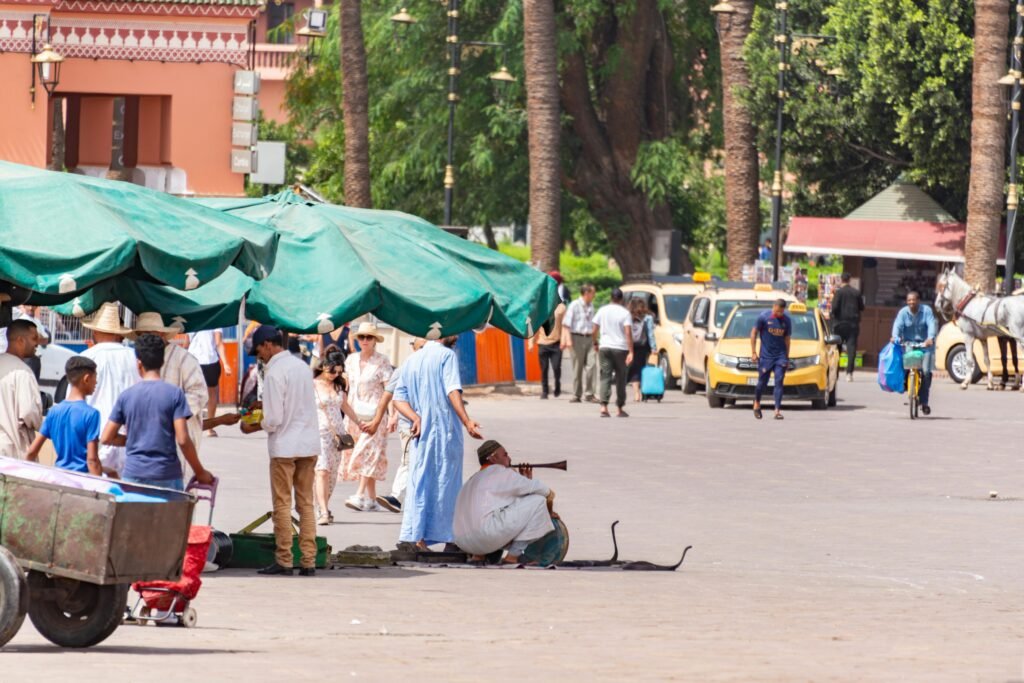
Conclusion
Choosing one of these 7-day Morocco itineraries will help you avoid the fear of missing out and truly enjoy the side of Morocco that matches your travel style and interests.
Don’t hesitate to visit Morocco — it’s an incredible country that leaves a lasting impression on everyone who experiences it.
Let me know in the comments below: which 1 week Morocco itinerary would you choose?